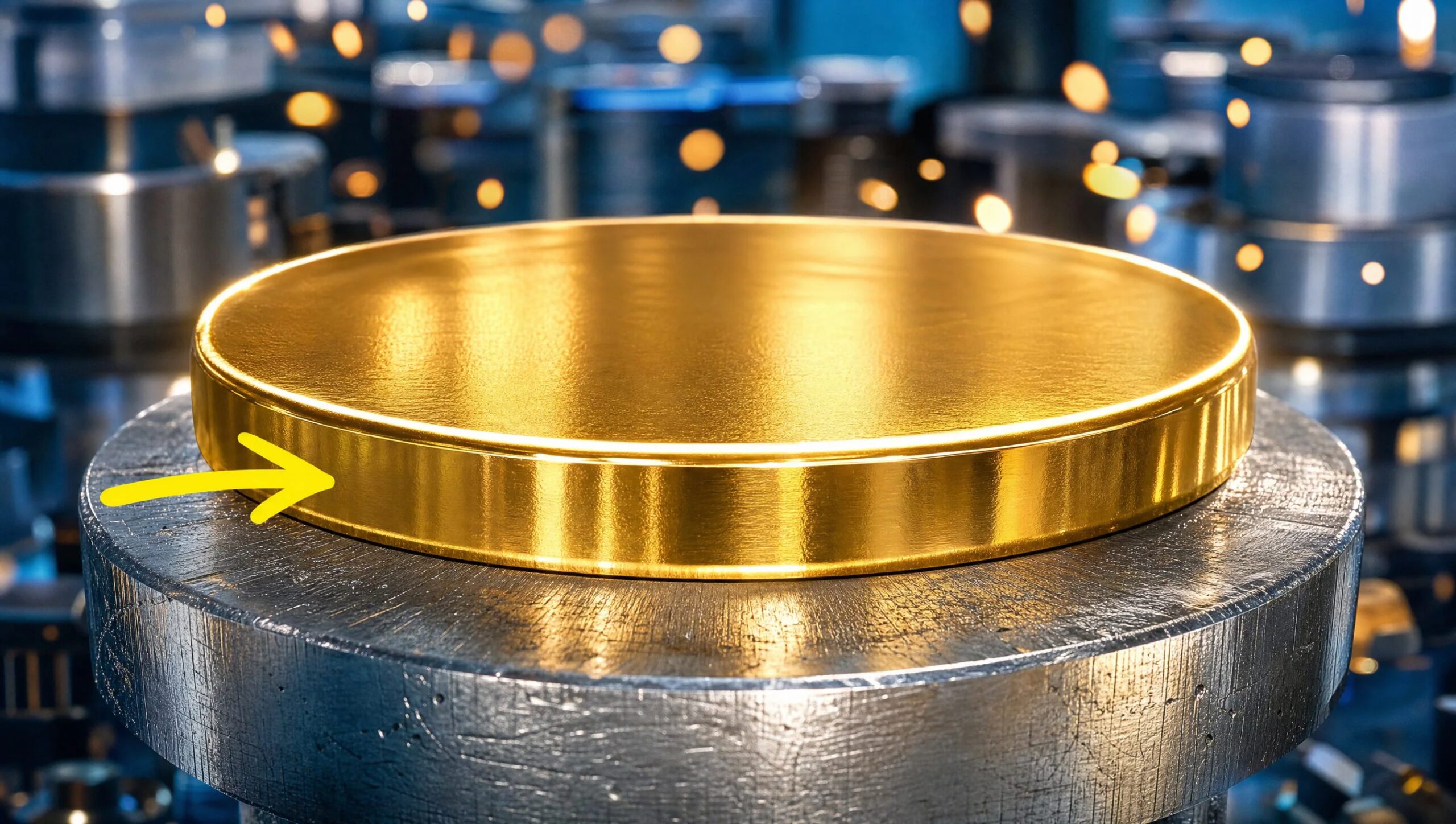
The expression “brand new” is used with the meaning of “new”, “intact”, “never used” or even as a hypothetical comparison to indicate an object that is still completely intact (“as if it were new (…)“).
Behind this very common expression, which has nothing to do with the parasitic animal, actually hides a fascinating story between comparative linguistics and the printing of money.
The first fundamental distinction concerns a case of linguistic homonymy. In Italian there are two identical words with totally distinct origins, where the etymology changes depending on the meaning:
- There parasitic tick: perhaps it is not easy to think about it, but the small haematophagous mite (which feeds on blood) owes its name to the Lombard zëkkaa word with Germanic origin, tikwhich literally means “to sting”.
- There state mint: the public building in which the currency is produced has a Middle Eastern origin. It comes from Arabic sikkaa term that indicated “coinage” (i.e. the mold for stamping coins).
The Arabic word penetrated our peninsula thanks to the Arab domination in Sicily in the 9th century, first transforming into sicla and then going back to Tuscany in the 14th century, where it progressively replaced the Latin term currency.
How come a newly produced coin has become the symbol of novelty? To understand this, we need to analyze the technology of minting.
In the late Middle Ages and the Renaissance, minting occurred by means of a press or a hammer blow, a process that required fundamental elements: planchet, minting. The roundel was a small disc of smooth, “virgin” metal that forms the base of the coin, while the coinage it consisted of a block of hardened steel (or hard bronze) bearing a negative engraving of the figure of the State or sovereign.
When the coinage was struck forcefully on the metal blank, the plastic deformation of the metal perfectly filled the details of the engraving and the newly produced coin was shiny, had sharp and clean edges and was completely untouched.
In many European countries, the workshop where money is produced retains the Latin root moneta (think of Royal Mint English or to Monnaie de Paris French) while Italy preferred to use the term of Arabic origin.
If you then consider that in Latin the word money has a singular origin, the question is even more interesting. In Rome the first workshop for minting money was built on the Capitoline Hill, right next to the Temple of Juno Monetafrom the Latin verb monere (warn) and was attributed to the goddess when, in 390 BC, the squawking of her sacred geese woke up the Roman defenders from the nocturnal assault of the Gauls. From that moment, the building used for coining took the name of the protective goddess, giving us the noun “coin”.
In addition to “brand new”, there are other expressions with identical meaning that originate from similar scientific and technical contexts: “brand new” which would derive from nickel silver (a metallic alloy of copper, nickel and zinc), an expression born when old table services were covered in this material, or even “brand new” (from the Spanish trincar, to tie tightly) directly from naval jargon to indicate triple bindings of new and never used ropes.
This and many other “brand new” expressions with little-known meanings are only a small window into what the Italian language is capable of expressing.
