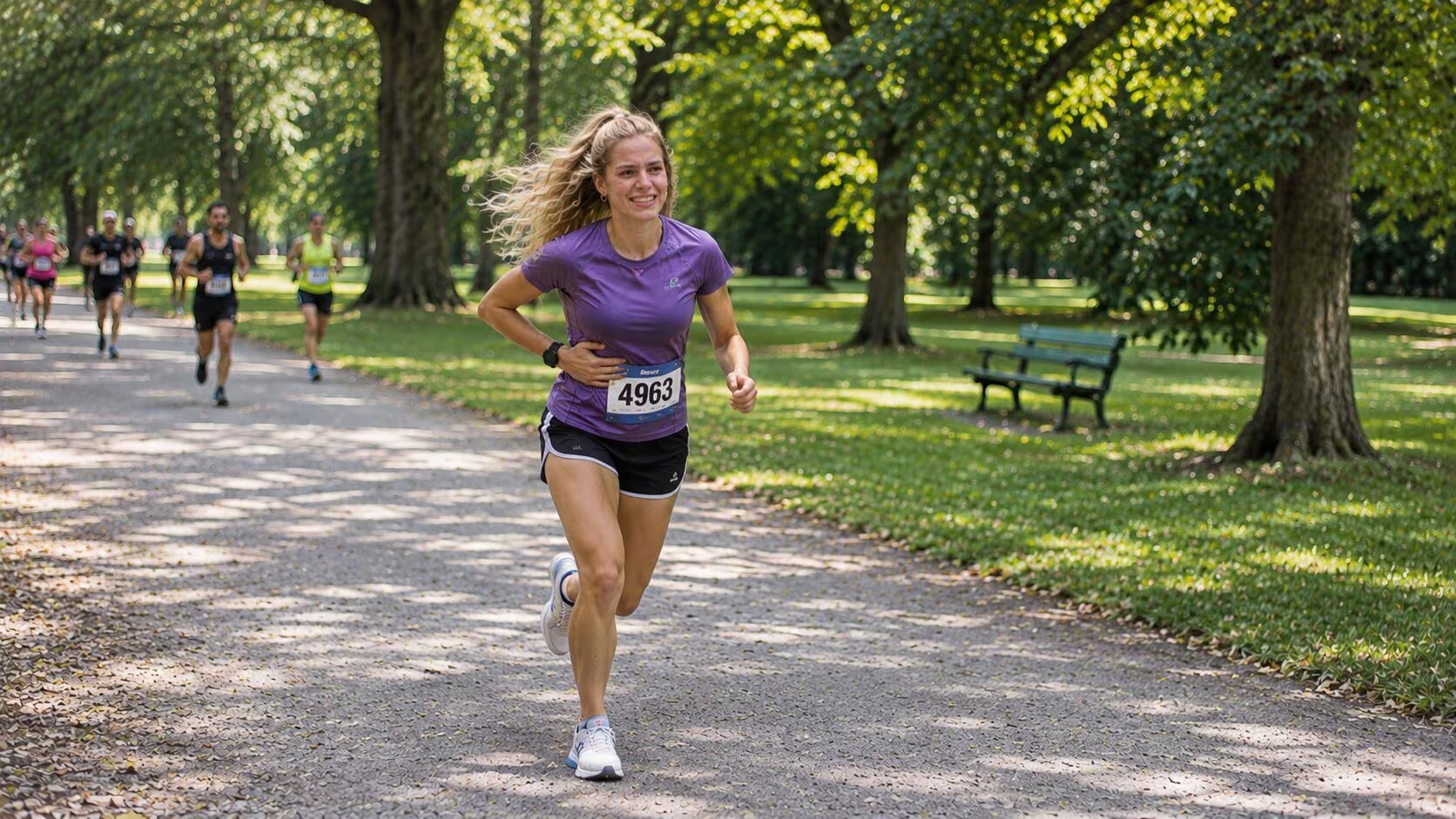
So-called “spleen pain” during running is often a transient abdominal pain called ETAP. According to a scientific review published in Sports Medicine, the most convincing hypothesis is that the pain is due to irritation of the parietal peritoneum, but the causes are not yet certain.
When let’s runespecially if we increase the pace or have recently eaten, a stitch may appear under the ribs, on the right or left. It is the so-called “pain in the spleen”, but the name can be misleading: it is often ETAPacronym for Exercise-Related Transient Abdominal Paina temporary abdominal pain related to physical activity.
According to a study published in Medicine & Science in Sports & Exercise69% of runners involved in the research had experienced at least one episode in the previous year. Its origin is not yet fully clarified, but according to a review of scientific literature published in 2015 in the journal Sports Medicine by Australian researchers Darren Morton and Robin Callister, the most convincing explanation involves theirritation of the parietal peritoneumthe sheet of membrane that lines the internal wall of the abdominal cavity.
Is it really a pain in the spleen and how frequent is it? Morton and Callister’s study
What we commonly call “spleen pain” is a abdominal pain which can appear during running and other physical activities. In medicine it is called ETAPacronym for Exercise-Related Transient Abdominal Painwhile in English it is known as side stitch. The Italian name is therefore a commonplace: it describes the point where we often feel pain, but does not necessarily identify the organ that causes it. The pang, in fact, it can appear on both the right and the left and affect different areas of the abdomen.
Darren Morton and Robin Callister measured how widespread the phenomenon is in a study carried out on 965 people who practiced six sports. The 69% of runners had experienced at least one episode of ETAP in the previous year; the percentage rose to 75% among swimmersas he went down to the 32% among cyclists. The researchers also observed that pain was more frequent in sports characterized by repetitive movements of the trunkboth vertical and rotational. An interesting fact, because it suggests that the pain does not depend only on the impacts developed on the ground during the run.
The possible culprit is the peritoneum, the membrane that lines the abdomen
To understand one of the main hypotheses on the origin of the pang, we need to look at a little-known anatomical structure: the peritoneum. It is a thin membrane that lines the internal wall of the abdominal cavity and covers many of the organs contained within it. It is made up of two sheets: the parietal one, adhering to the wall of the abdomen, and the visceral one, in contact with the organs. Between the two lies a small amount of liquid, which allows the surfaces to slide over each other during movement.
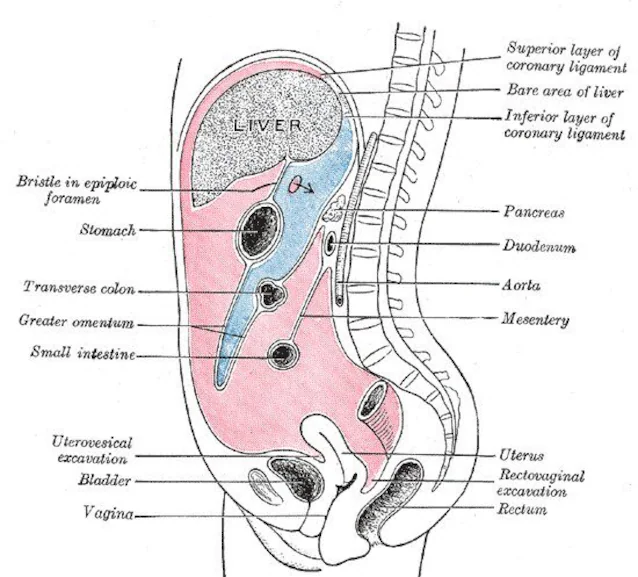
The parietal layer is particularly sensitive to pain, thanks to the presence of nerve endings, and can therefore generate well-localized stitches. According to the hypothesis formulated by Morton and Callister, repetitive movements of the trunk during physical activity could stress this membrane, causing airritation responsible for the pain.
This theory is considered one of the most convincing explanations of ETAP because it allows us to interpret both the location of the pang and its relationship with movement. The precise mechanism, however, has not yet been demonstrated.
Large meals and very sugary drinks can promote the pang
It’s not just movement that comes into play. What we eat and drink before training can also influence the onset of ETAP. In their study Factors influencing exercise-related transient abdominal painDarren Morton and Robin Callister have identified precisely thefood and fluid intake before physical activity among the factors most frequently associated with the onset of pain.
The role of drinks was explored in depth in a subsequent experiment, entitled Effect of ingested fluid composition on exercise-related transient abdominal pain. Forty people predisposed to the disorder carried out various running tests after drinking different liquids. Reconstituted orange juice, characterized by ahigh concentration of carbohydrates and by a high osmolarity, it resulted more episodes of ETAP compared to flavored water and a sports drink. The result therefore suggests that it is not just how much we drink that matters, but also the composition and concentration of the drink.
Even posture could play a role. Some observations have associated greater thoracic kyphosis, i.e. a more accentuated curvature of the upper back, with a greater predisposition to pain. However, this is an association, which does not allow posture to be considered a certain cause of ETAP.
Because it passes when we slow down or stop
A typical feature of ETAP is that often decreases when physical activity is slowed down or stopped. If the pain were related to structural damage to the organ, we would not necessarily expect it to disappear so quickly with the end of the effort. Its transitory nature is instead consistent with the hypothesis of a mechanical stimulus which it is reduced when repetitive movements of the trunk decrease.
Some people can also relieve the pain by leaning forward slightly, pressing the affected area with a hand or breathing deeply. These are maneuvers reported by athletes and described in scientific literature, but they do not necessarily work for everyone and do not demonstrate by themselves which mechanism is responsible.
ETAP is a common, but still not fully understood, disorder. If the pain is particularly intense, persists even at rest or is accompanied by other symptoms, it is advisable to contact a doctor, since not all abdominal pain during physical activity can be traced back to ETAP.