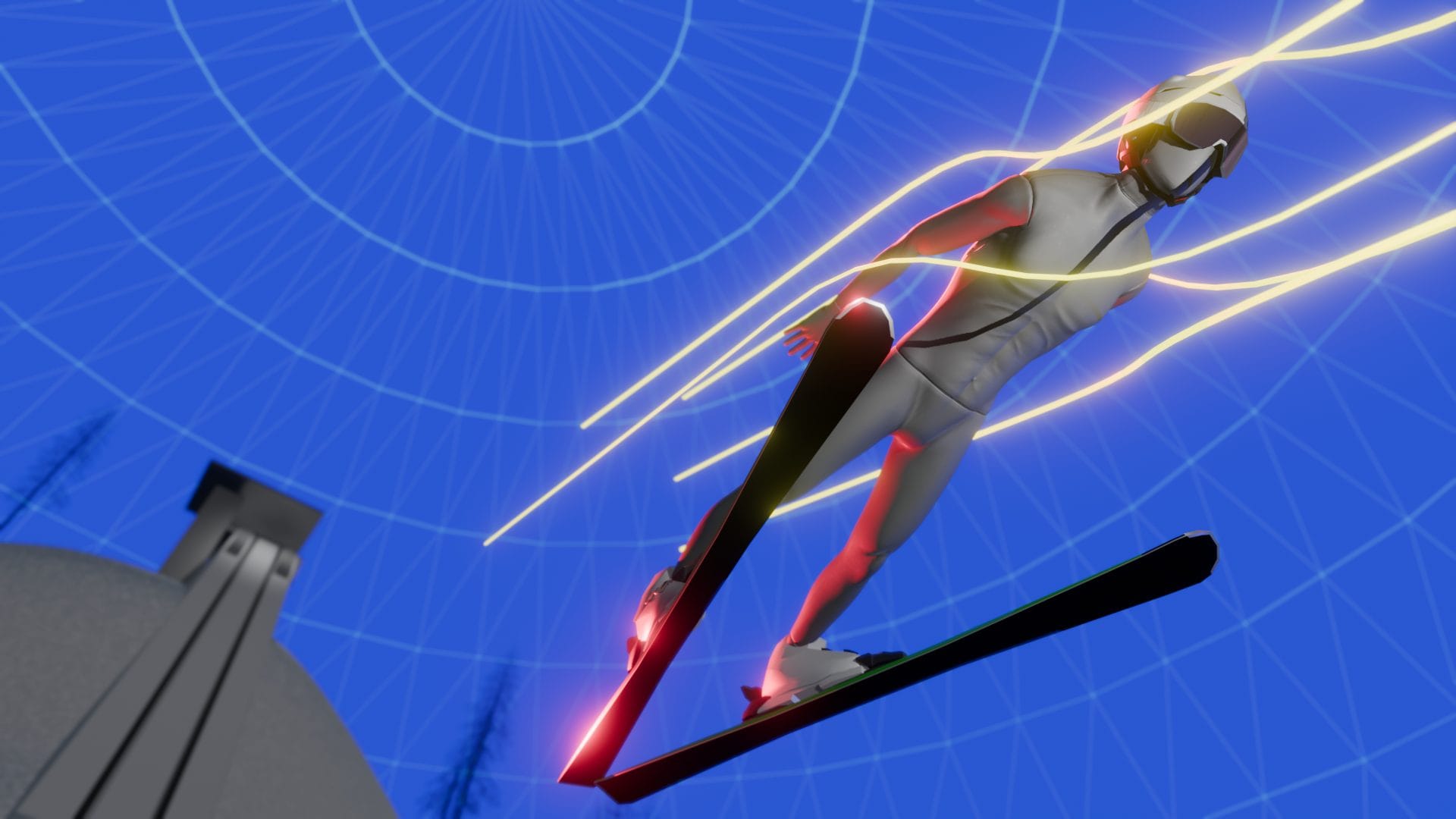
The ski jumping is a sport in which athletes equipped with skiing at the feet they go down the ramp of a special one trampoline at the end of which they take a leap, exploiting speeds of up to 100 km/htrying to land as far away as possible. Often also called “trampoline jumping”, it is one of the most fascinating disciplines of 2026 Winter Olympic Games. It is based on the athlete’s ability to transform into a living wing surface, in the run-up phase and then sail over extreme distances. From the explosive split-second takeoff to the flying V technique, every movement is calibrated to maximize aerodynamic lift. Sport is now regulated by strict regulations on athlete safety and weight, while world records continue to push into uncharted territory, as demonstrated by recent family records Prev and from extreme flights (not approved) over 290 metres. Precisely in these days, at the Stadio del Salto di Predazzo in Val di Fiemme, history is being made: after the first medals were awarded on the Normal Hill (Normal Hill), all attention is now on the spectacular race on the Large Hill (Long Hill), where the favorites compete against each other with record-breaking feats.
Acceleration, take-off and take-off in ski jumping
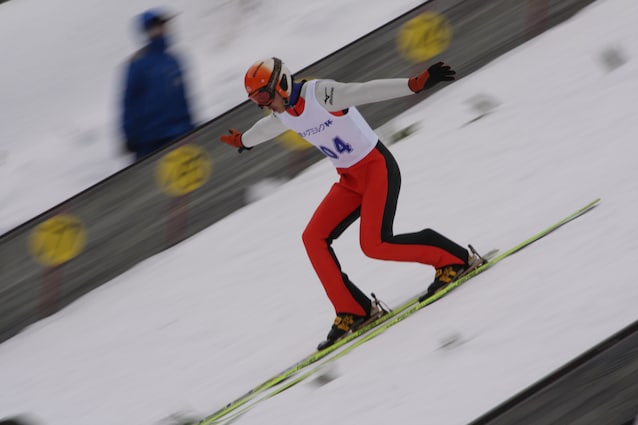
Each jump begins with the acceleration phase on the launch pad (in-run), which has a slope, usually included between 35ntal but points slightly downward at an angle of approximately 10 degrees to aid in a smooth transition into flight.
This is where the crucial moment of takeoff: The athlete must turn that speed into a flight path through one explosive break which barely lasts 0.25-0.35 seconds. Timing is essential: a delay of a few cents means pushing into space, losing the power needed for takeoff. The biomechanics of the take-off require a very rapid extension of the legs coordinated with the center of gravity, which must project forward to counteract the natural tendency of the air to tip the skier backwards.
Why the V technique is used during flight
Once in the air, the jumper becomes a real winger. Historically, athletes jumped on parallel skis, but in 1985 the Swede Jan Boklöv everything changed by pure chance: during training he lost control, he spread the tips of the skis and realized he was flying much further. Despite the initial skepticism of the judges, who harshly penalized the “discomposed” style, science proved Boklöv right: the V technique increases lift (the upward thrust), lengthening the jumps by about 10% compared to the traditional style.
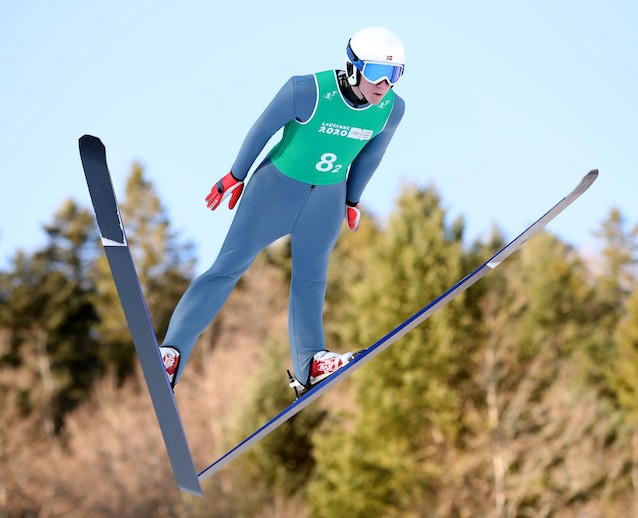
In flight, the athlete seeks a precarious balance between lift and drag, maintaining the body almost parallel to the skis. It also occurs close to landing the ground effectan increase in pressure between the skis and the snow which generates a cushion of air capable of significantly lengthening the trajectory of the leap.
In addition to flying technique, International Ski Federation regulations impose strict limits on Body Mass Index (BMI) of athletes: who is it too light must use shorter skisa rule created to prevent extreme thinness and ensure that the distance comes from technique and not just from low body weight.
The rules of Olympic sport and landing: wind compensation
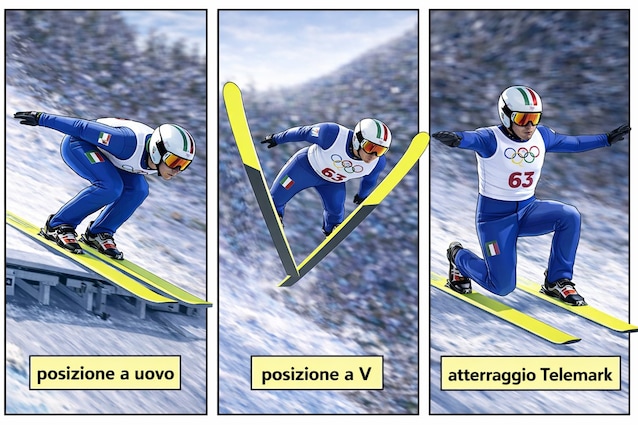
The final score doesn’t just reward those who get the furthest. A panel of five judges evaluates it style with a maximum of 20 points eachdiscarding the highest and lowest votes. The most iconic aesthetic element is the Telemarka landing in which the athlete must touch the ground with one ski advanced compared to the other and the rear knee flexed. This position is not only beautiful to look at: it serves to evenly distribute the weight and absorb the kinetic energy of the impact, protecting the knee ligaments. The distance is instead evaluated with respect to K pointthe ideal springboard landing reference: anyone who lands beyond or before this point earns or loses points based on the difference.
To the Olympic Gamesthe races are held on two types of trampolines: The normal hill (from 100 meters) and the large hill (from 140 meters). We start with a qualification that reduces the field to 50 athletes. These face the first jump of the competition, after which only the best 30 advance to the final. The winner is the one who obtains the highest total score by adding the two jumps of the final phase.
But how do you ensure that an athlete doesn’t win just because he found a favorable gust of wind? The system has existed since 2009 “Wind Compensation“. Since the front wind increases lift and helps to fly further, athletes who benefit from it have points deducted from their total. Conversely, those who encounter wind from behind, which crushes the skier towards the ground, receive a bonus point.
Official records and extreme flights: the Prevc dynasty and the Kobayashi case
Ski jumping world records today bear a single surname: Prevsymbol of the absolute dominance of the Slovenian family on the international scene. On March 30, 2025, Domen Prevc rewrote history by landing at 254.5 meters on a ski flying trampoline, the most extreme category of the discipline. A few days earlier, her sister Nika Prevc had set the women’s record with a flight of 236 meters. It is curious to note that Domen, despite the record, did not win that race due to a less than impeccable stylistic precision, confirming that in jumping the distance is only half the battle.
However, the human limit seems to be even further. In 2024, the Japanese Ryoyu Kobayashi he accomplished a legendary feat in Iceland, jumping 291 meters from a temporary ramp built on a glacier and remained suspended in the air for 8 seconds. Although this flight is not recognized by the FIS as an official record because it occurred outside a certified competition, it demonstrated that the 300 meter wall is now within reach.
