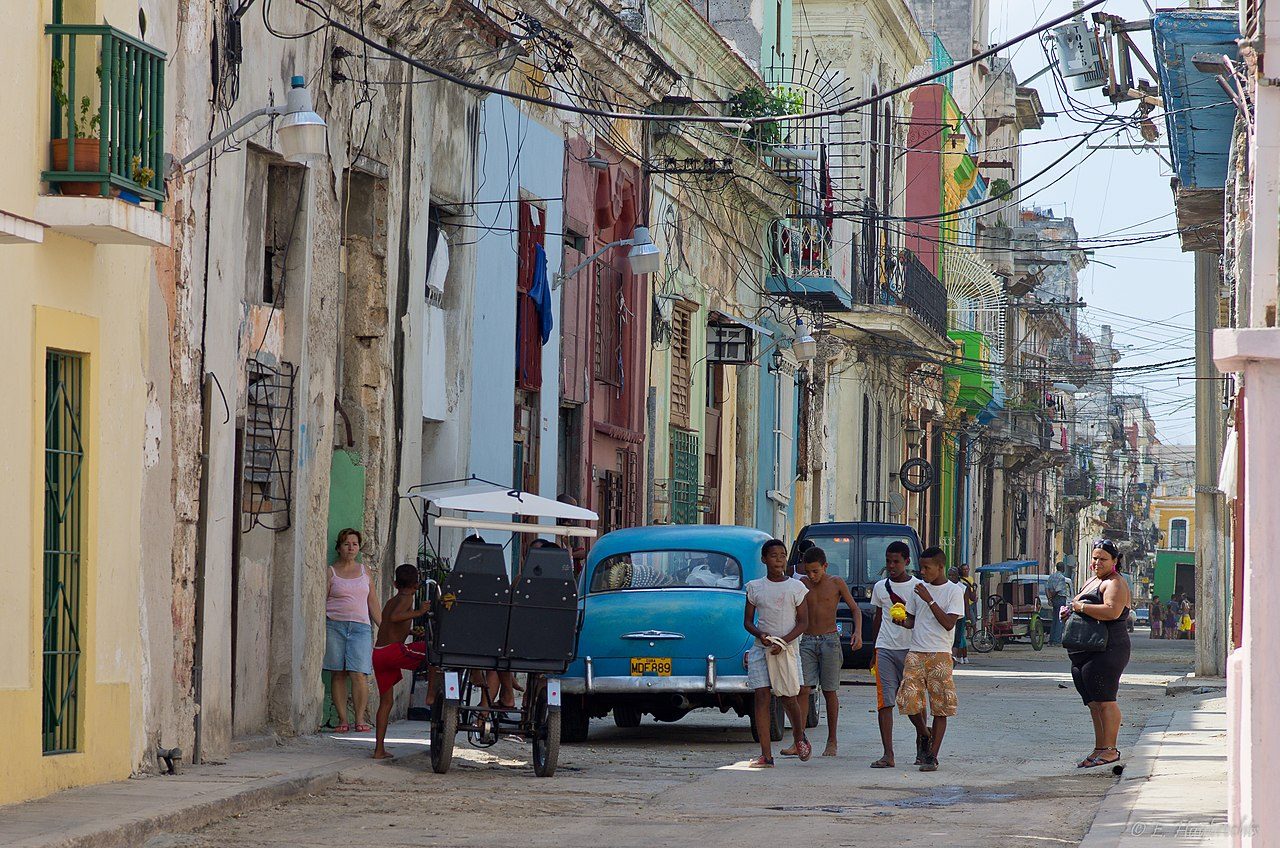
For several weeks Cuba is experiencing one of the most serious crises of recent years: lack of food, electricity and fuel they are plunging the island into an emergency situation that could soon turn into humanitarian crisis. Blackouts and interruptions to the national electricity grid are increasingly frequent and often last up to 24 hours or more. According to theCuban Electric Union (UNE), the public company that deals with energy supplies, i blackout are due in part to the obsolete conditions of power plants and partly to the block of fuel imposed by US government chaired by Donald Trump. Waste accumulates along the streets of the island’s cities, a direct consequence of the lack of fuel and therefore of means of transport collection and disposal, The food is increasingly scarce and also the tourism sectorwhich represented approximately 10% of GDP of the island, is seriously affected by this crisis which is becoming an energy crisis food and humanitarian.
The causes of the blackout in Cuba: oil blockage and lack of fuel
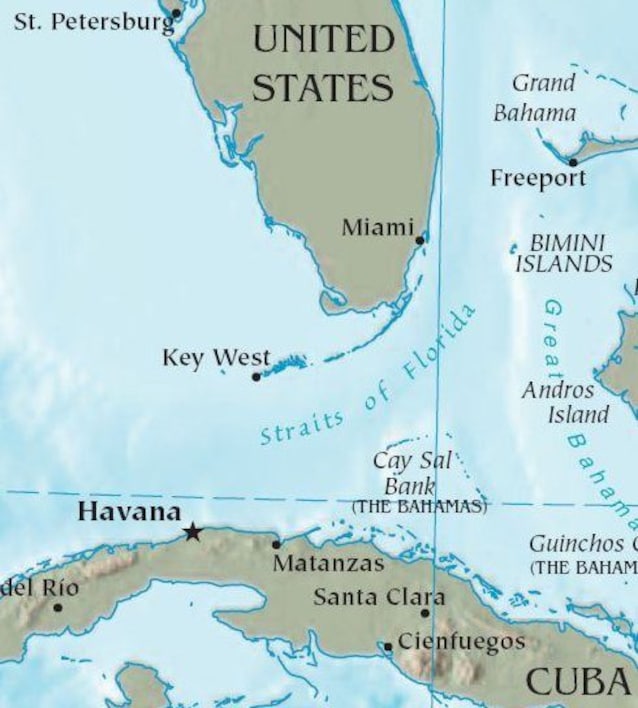
Historically, Cuba has always been heavily dependent on fossil fuelsprimarily from petroliummanaging to independently produce only the 40% of their energy. In addition to the historic embargo – the so-called I block – imposed during Kennedy’s presidency on the island and in effect since 1962currently Donald Trump also blocked the entry of petroleum fuels, reducing supplies and therefore giving rise to a serious energy and economic crisis. The I block it has also reduced supplies from Cuba’s historic regional allies, such as Venezuela and Mexico. In January 2026, in fact, following the US attack on Venezuela and the kidnapping of President Nicolàs Maduro, the Venezuelan oil resources are under greater US control and influence, making it difficult for Cuba to supply supplies from its historic ally. This, together with threats of tariffs of President Trump against the countries that supply Cuba with oil, has generated a scarcity of energy resources. The lack of fuel has generated, among others, consequences such as: lack of refueling even for international airlines, inconvenience to public transport and ai health facilities, slowdown of agricultural transport of goods and therefore also of food and basic necessities, inconvenience for the telecommunications, that impact the daily lives of citizens and workers.
From economic crisis to humanitarian crisis
The risk is that the socio-economic crisis that is affecting Cuba could turn into a food and humanitarian crisis. Testimonies from Cubans on the island speak of lack of medicines and basic necessities, as well as food shortages. There construction booklet, a document introduced in 1962 that regulates the monthly distribution of basic foodstuffs and products for‘hygiene at subsidized prices to the population, is losing value as the stocks even the most basic foods are insufficient. This is forcing residents to turn to private sellers with significantly higher prices, in an already very serious and precarious economic situation. This condition is not new: up to now they have been 31 the motions moved by United Nations, to ask for the end of the embargo on Cuba and others March 2024for the first time in history, Cuba had already turned to World Food Programme to request a support from the point of view offood supply, given the serious and prolonged lack of basic necessities, including bread and milk.
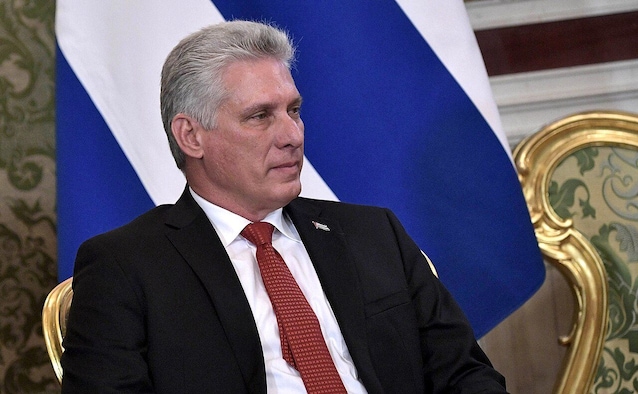
The President of the Council of Ministers of the Republic of Cuba, Miguel Díaz-Canel, during talks with Russian President Vladimir Putin, November 2018. Source: Kremlin via Wikimedia Commons
The political situation: iron fist or negotiations?
Donald Trump is implementing one hard line towards Cuba, initially also announcing the intention to attack and occupy the island militarily. For his part, the Cuban president Miguel Díaz-Canel instead he announced that he was willing to negotiate with the US government, but under conditions of respect and equality. An important and non-negotiable point for the Cuban president is the political regime of Cubathe maintenance of which represents a necessary condition for any negotiation. The island of Cuba it poses no threat to the United States, said Cuban Deputy Foreign Minister Carlos Fernandez de Cossio, at the forefront of negotiations with Washington. Meanwhile the Cuban government announced a plan non-aggressive defense to be implemented in the event of a US military attack, while not considering an armed conflict likely, and reiterating the lack of justification for anmilitary action against Cuba. The government also announced that it had released 51 political prisoners, a gesture which, however, he clarified was not linked to the talks with the United States but to an internal political decision.
Link between Cuban exiles and Donald Trump’s electoral support
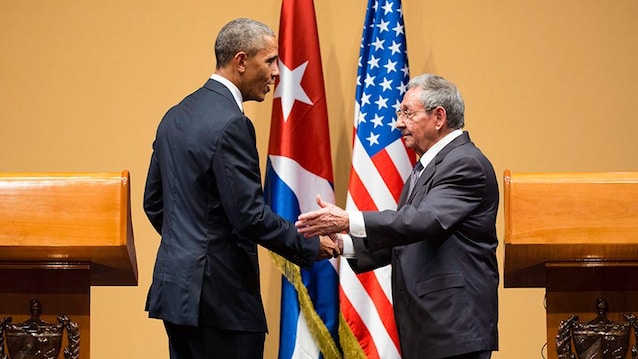
An important element to take into consideration when analyzing international relations between Cuba and the United States it is the role and political weight of the community of Cuban exiles present in the United States, and in particular in the State of Florida, where more than 1.5 million citizens I am of Cuban origin. The US Secretary of State himself Marco Rubio He has Cuban parents who emigrated to the United States and is one of the major opponents of the Cuban government. In Florida the anti-Castro communitiescomposed mainly of Cuban exiles who arrived after the 1959 revolution, represent a strong political component. Their great electoral weight could therefore influence the choices of Donald Trump, being notoriously a key state for presidential elections. The Cuban exiles they therefore represent a community that has historically influenced the foreign policy choices towards Cuba. During the administration Obama In the 2014 there were some signs of détente with the government of Raúl Castro which had made one think of a thaw in diplomatic relations between the two countries. Today, however, the tensions of Donald Trump against the government of Cuba are exacerbating an already very difficult situation. On the international side, there are numerous initiatives solidarity in support of the Cuban people, including sending a flotilla with the participation of over 30 countries and around 700 activistsleft Mexico with food and basic necessities. On board the boats there was also an Italian delegation made up of Martina Steinwurzel, Umberto Cerutti and Paolo Tangari of AICEC, members of the European Convoy, together with a representative of the Camalli of Genoa.
This initiative represents both a support to the Cuban population, increasingly exhausted by the current energy crisis, both symbolically a tool of international pressure to end the US embargo on the island.
