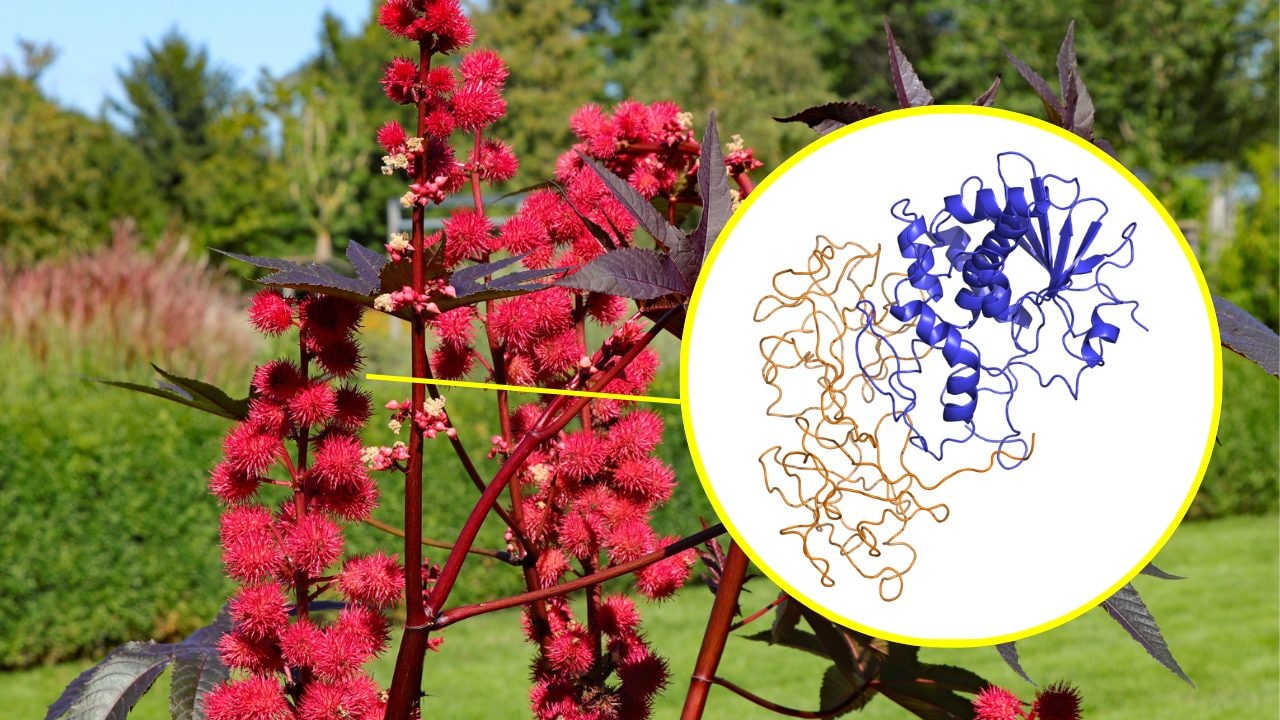
There ricin It is one of the most toxic natural substances currently known. It is contained in the castor seeds (Ricinus communis), an extremely common plant often grown in gardens for ornamental purposes. Once inhaled, ingested or injected into the body, the toxin penetrates cells and irreversibly blocks their protein synthesisleading to their death. Although thepoisoning be an event rarethe toxicity of the substance and the total absence of an antidote make it a potential threat, to the point of having aroused, throughout history, an interest for non-positive purposes. Not surprisingly, the CDC (US Centers for Disease Control and Prevention) classifies ricin as potential bioterrorism agent Category B, is considered dangerous and moderately easy to spread while having a lower mass mortality potential than other pathogens. In addition to having been made known by the TV series breaking BadAlready during the Second World War, the United States and Great Britain studied it as a biological weapon under the code name “compound W”, but without ever using it on the battlefield.
Recently, this toxin has returned to the center of public attention due to a news story. Traces of ricin were in fact detected in the blood of a mother and her daughter, who died in Campobasso (Molise) in the days following Christmas 2025. Since the investigations are still ongoing, it is not the task of scientific dissemination to enter into the judicial merit of the matter, what science can do, instead, is to clarify the nature of this substance and the risks linked to it.
What poison is ricin and where does it come from
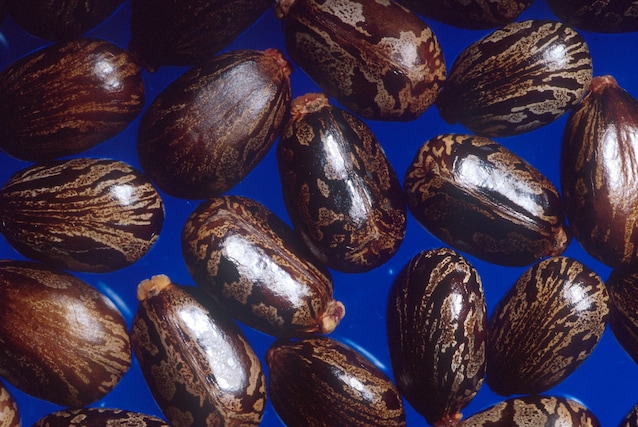
There ricin is a water-soluble glycoprotein extracted from castor beans (Ricinus communis), a plant widespread throughout the world that grows spontaneously and is often grown as an ornamental in gardens due to its large palmate leaves. As they document in a review published on Reports of Biochemistry & Molecular Biologyits presence in the seeds was already known in ancient times: Egyptians, Greeks and Romans used castor oil for medical purposes. Correctly processed oil does not contain ricin given that the toxin remains in the solid residue after extraction and is inactivated if extraction occurs at high temperatures.
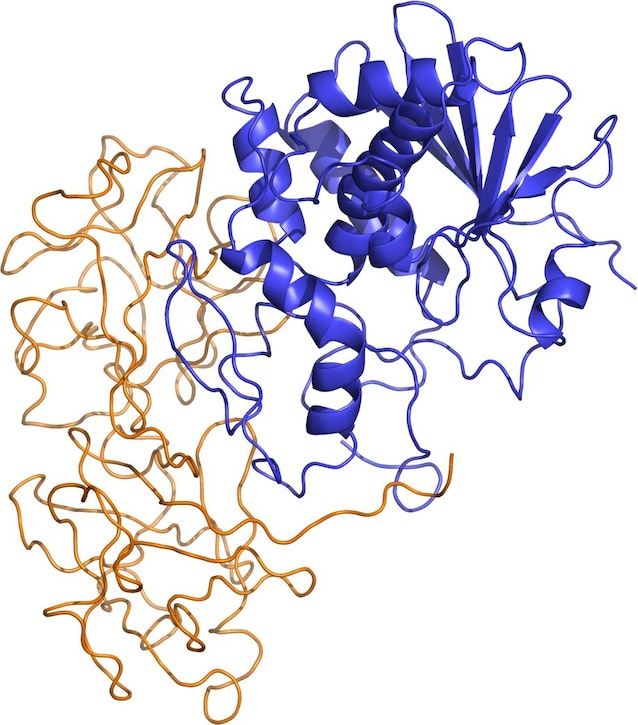
At the molecular level, ricin is made up of two chains linked together by two sulfur atoms (disulfide bond): la B chain (RTB) attaches to cells and facilitates entry while the chain A (RTA) once inside the cell, it binds to ribosomes (the fundamental structures for protein synthesis) and blocks them irreversibly. It is this mechanism that makes this substance dangerous. A single molecule of RTA is capable of inactivating up to 1,500-2,000 ribosomes per minute. Without proteins, the cell dies.
Ricin poisoning: routes of exposure, doses and symptoms
Ricin poisoning is an event rare. The vast majority of documented cases involve the ingestion of castor seeds. In this specific scenario, fortunately, the survival rate is around 98%. In general, the dangers of ricin depend on how it enters the body: the route of exposure (ingestion, inhalation or injection) changes both the lethal dose and the symptoms.
The most dangerous route is theinhalation: the estimated lethal dose (LD50) is 3-5 micrograms per kilogram of body weight. For theoral ingestion the estimated LD50 is approximately 20 milligrams per kilogrambecause part of the toxin is degraded before being absorbed. Finally, theinjection It has a toxicity comparable to inhalation.
Depending on the route of exposure, the symptoms, which generally appear within 4-8 hours but they can delay up to a few days, include nausea, vomiting, hemorrhagic diarrhea and abdominal pain in cases of ingestion, cough, breathing difficulties and pulmonary edema in those following inhalation, up to local necrosis, fever and cardiovascular collapse in cases following injection. In all severe scenarios, the final outcome without treatment ismultiple organ failure and death, which according to the CDC can occur within 36-72 hours from exposure.
There diagnosis of poisoning from ricin is based on blood and urine tests (in particular on the test for ricinina castor alkaloid detectable in urine within 48 hours) or on environmental analyzes to detect ricin in powders or dispersed materials. There is no specific antidote, treatment is supportive, with intravenous fluids, drugs or mechanical ventilation.
