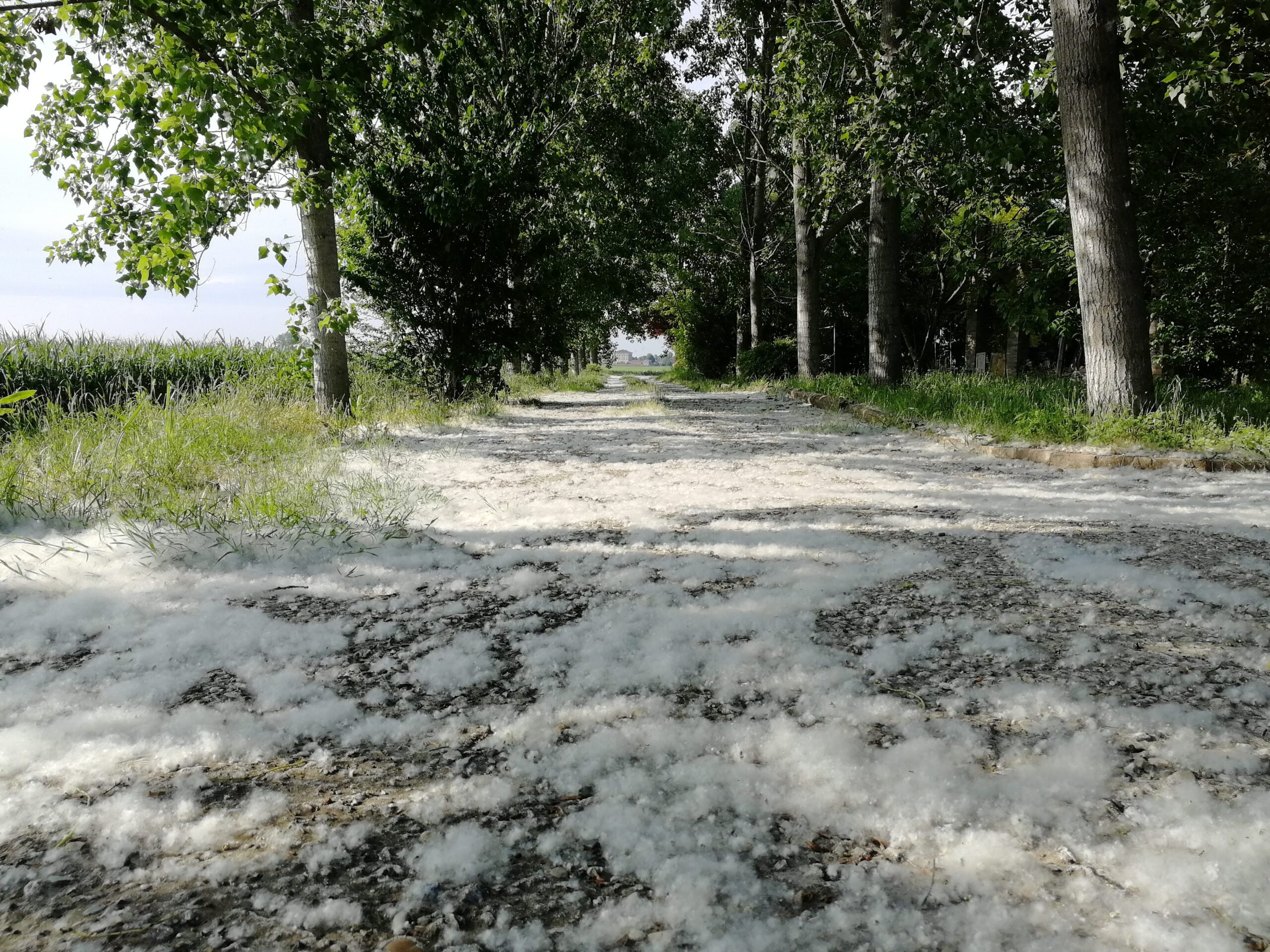
The streets and parks of many Italian cities are invaded these days by “spring snow”, those white puffs that resemble cotton that fly out of control. But what is it? Often confused with “pollens” and called “poplars” or “pioppini”, they actually are pappi and are used to transport with the wind poplar seedsa very widespread plant in the Po Valley. We tend to associate the presence of these light flakes with the appearance of allergies spring, but in reality there is no direct link, the pappus does not contain pollenthe real cause of our allergies.
What are poplar pappus
The correct name for these cottony flakes is pappi and their function is very important to the tree from which they are released. In fact, the task of these feathery and light appendages is to promote seed dispersal for the action of winda known mechanism anemochorous dissemination.
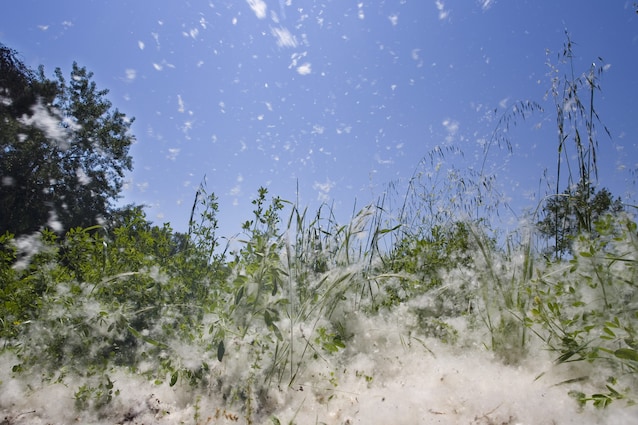
In the case of poplarpappuses are not flowers or pollen grains: they are i fruits of the plantequipped with numerous seeds with long cottony hairsand they serve the plant precisely to transport the seed by the wind, to then give life to other poplars.
The poplar pollens, with low allergenic properties, had already been released weeks earlier, invisible to the naked eye, when the plant was still bare of leaves. Pollination occurs before the fluffy fluff is released into the air which means that by the time the pappuses fly, the poplar has already concluded its reproductive phase via pollen some time ago.
It’s not baby food that causes allergies
As ARPA Veneto points out, the “duvets” or “hands” are made up of celluloseone hypoallergenic substance which forms the walls of plant cells and cotton fibres. Why then do so many people swear they feel worse on those days?
The answer is that baby food comes at the wrong time. In the period of maximum flowering of various allergenic plants such as Gramineaethe phenomenon of the release of pappus appears which however does not contain pollen. Grasses, for example, release enormous quantities of allergenic pollen from April onwards, invisible to the naked eye. The result is that sneezing and watery eyes are instinctively attributed to what can be seen (the white wads) and not to what cannot be seen.
However, on the surface of pappus they can adhere pollen of other species of plants that flower in the same period or fine dust produced by road traffic, accentuating the ailments of people with allergies. In this sense, pappus is not the cause but can become an involuntary vector. To this can be added a nuisance of a purely mechanical nature, if inhaled or if they accidentally end up in the eyes, these “flakes” can physically irritate the mucous membranes and respiratory tract.
The poplar, a symbolic tree of the Po Valley
The poplar (Populus spp) is one of the symbols of Po Valley. It is widespread along rivers, on the banks of lakes and in woods, widely cultivated both for ornamental purposes and to feed the paper industry. Of the approximately forty existing species, in Italy there are mainly four spontaneous ones with their related cultivars. The best known are the black poplar (Populus nigra), known for its dark bark, the white poplar (Populus alba) and the cypress poplar. All very tall trees (30-40 m) that flower in the period between February, March and April.
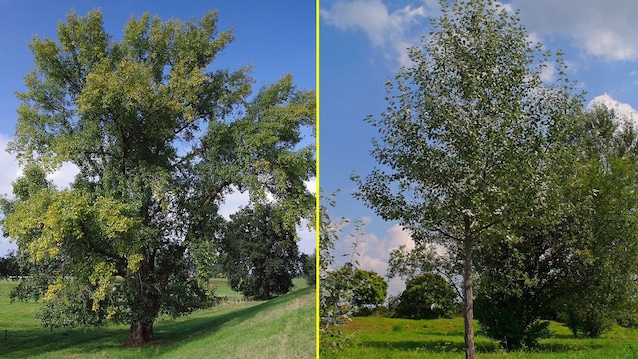
The phenomenon of “spring snow” which whitens the cities is due to the pappus produced exclusively by the specimens feminine during fruiting. To limit the inconveniences associated with this copious cotton production, the use of male trees is usually preferred. The cypress poplar, for example, is widespread in our streets almost only in its male variant, incapable of producing pappus.
