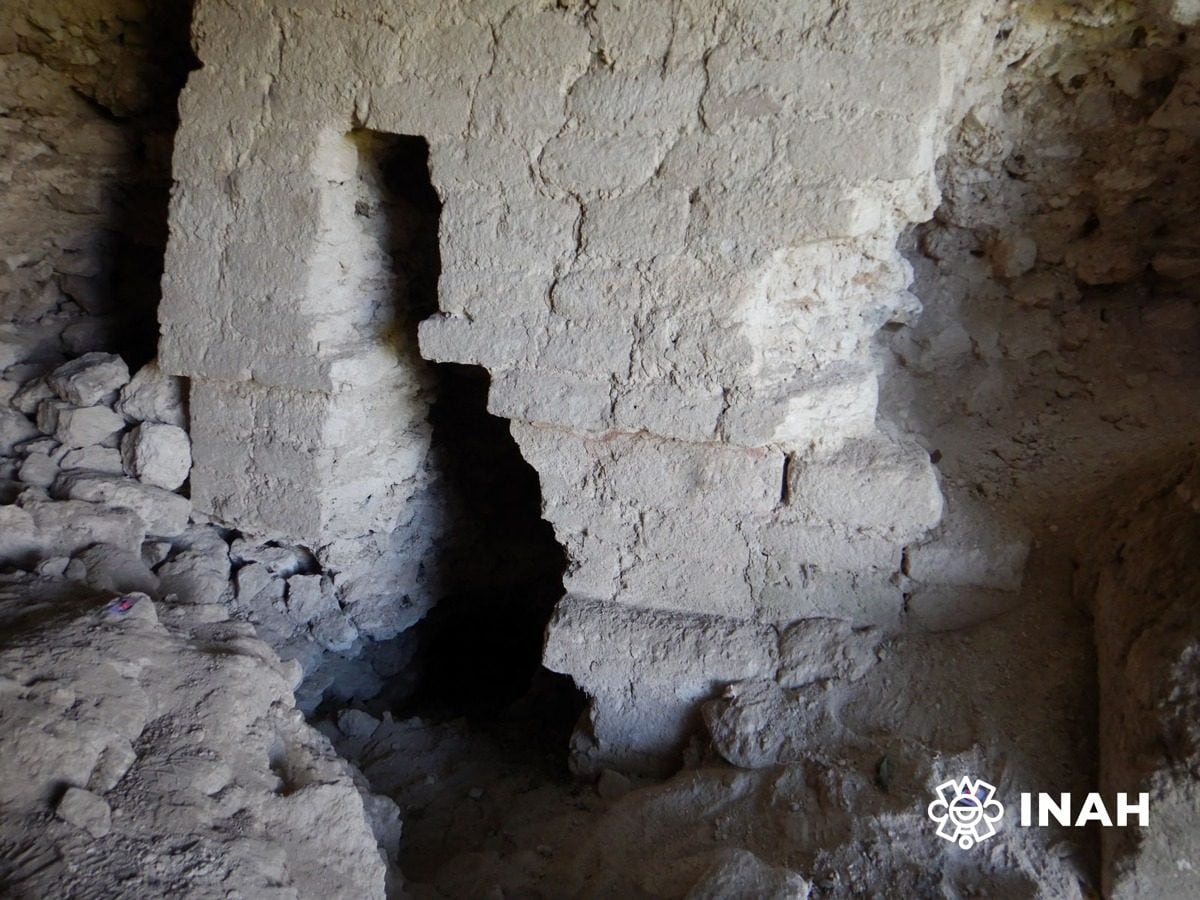
In the Mexican state of Quintana Rooin the peninsula of Yucatánthe National Institute of Anthropology and History (INAH) has officially registered a ancient Mayan monumental settlement named El Jefeciño (“the capetto”), with 80 Petén-style buildings distributed over an area of 100 hectares. The discovery is the result of reconnaissance work conducted between 2023 and 2024 by archaeologists Sonny Moisés Ojeda González And Diana Karina Blancas Olvera as part of the safeguard activities linked to the Tren Maya infrastructure project.
The site was already known to the inhabitants of the regionwho had reported it to the authorities during archaeological reconnaissance work, coordinated by the archaeologist Manuel Pérez Rivas. The name El Jefeciño was attributed ironically precisely in reference to the monumentality of the complex, given that it is a huge site. Preliminary data indicate an extension of at least 100 hectares, with 80 recognizable buildings.
The area could reveal itself even wider: you will need asystematic exploration of the area to precisely determine its boundaries, the dimensions of the structures and the settlement model. The architectural features of the site, such as buildings with corbelled vaults, rounded and recessed corners, and forepart moldings, refer to the Peten styletypical of Early and Late Classic period (250-900 AD) of the Mayan Civilization.
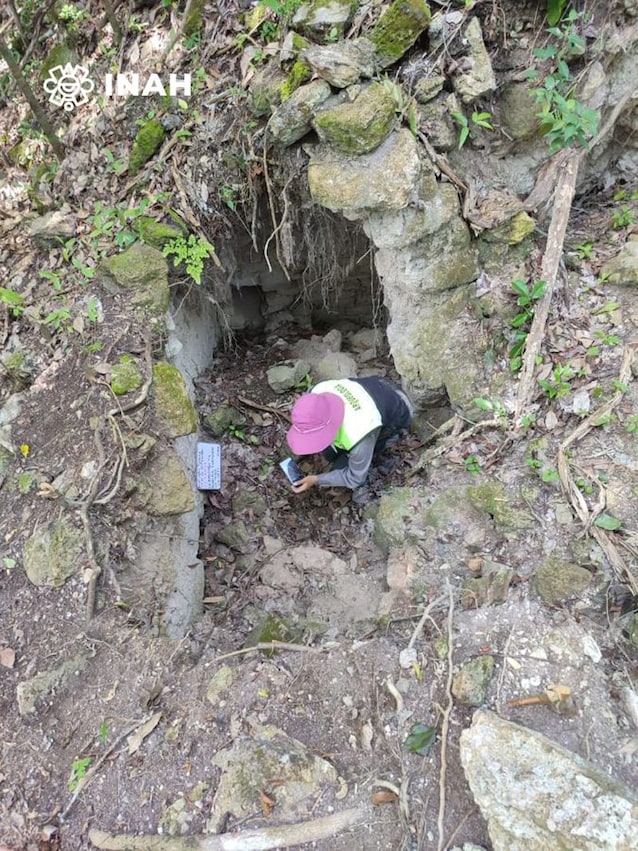
The central area of the site is composed of five buildings between 11 and 14 meters high and between 16 and 40 meters long, arranged around a “C” shaped square. In one of the buildings, identified as monument 53035remains of plaster with decorative wall painting with white, orange pigments and red bands were identified, and fragments of human bones that could be pertinent to a funerary context.
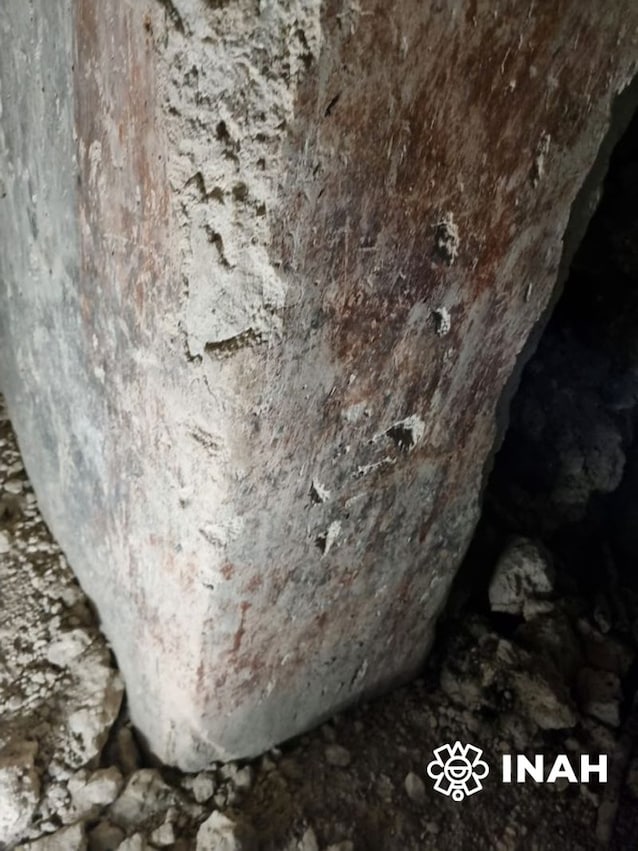
Since the work carried out was a reconnaissance and not an excavation, the materials remained in situ and it was not possible to analyze them in detail. For the subsequent phases one is expected mapping campaign with LIDAR technologywhich will allow the settlement model to be precisely defined. Work will follow for the conservation, consolidation and exploration of the site. Mexican scholars point out that the site will help clarify the network of relationships among the Mayan centers of southern Quintana Roo.
