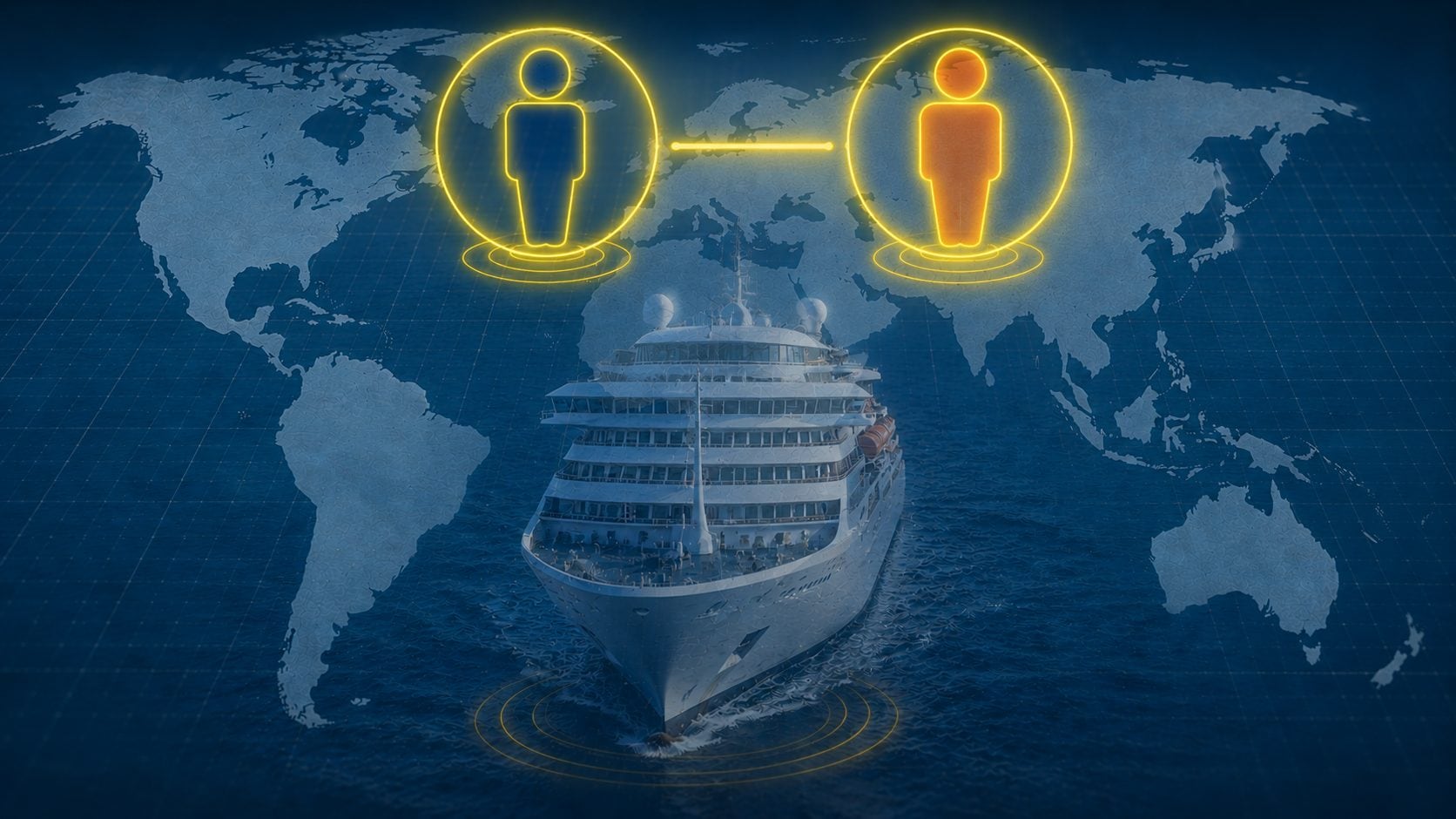
«This is not the beginning of an epidemic, this is not the beginning of a pandemic», reassured the director of the Department for Prevention of the World Health Organization Maria Van Kerkhove, by the way of the hantavirus, with a risk of spread that the WHO has defined as “low” at the moment, while the director of the Organization, Tedros Adhanom Ghebreyesus, has admitted that other infections are possible“given the incubation period of the virus”, which generally varies from one to six (even eight) weeks.
At this moment, authorities around the world are trying to trace and reconstruct the movements of all the passengers (at least 29) of 12 nationalities, who on April 24th they had left the ship MV Hondius, landing on the island of St. Helena after the first death for hantavirusthat of the German man, which occurred on April 11, before the isolation measures were activated. Those passengers in the meantime traveled to different parts of the world, returning to their own countries, from the United States to Australia, from the United Kingdom to Taiwan, to Holland, to Switzerland. In most of these countries it is already underway the monitoring of people who have been traced, both those showing symptoms and those who may have come into contact with the virus. Many are in isolation and observation. This happened, for example, in the case of the KLM company hostess who had come into contact with one of the victims, hospitalized in the Netherlands for a suspected hantavirus infection and who tested negative in the last few hours.
“Contact tracing”, in Italian contact tracinghas become an everyday term during the COVID-19 pandemic. It is apublic health action aimed at prevention and containment of the spread of infectious diseases, which consists in the identification of potentially infected people through the detection of contacts had with infected people. The goal is to warn people who may have been exposed to someone infected with the virus, to prevent it from being transmitted to other people. In the definition ofWHOcontact tracing is “the systematic process of identifying, evaluating, managing and supporting contacts of infected individuals.” Let’s see in detail what it is.
Why contact tracing is important to stop new infections
The World Health Organization published in December 2024 an updated guide on contact tracing, updated following the pandemic by COVID-19. “Focusing on contact tracing as an essential response to epidemic outbreaks allows us to improve epidemic preparedness, readiness and response strategies,” the guide explains. The document was created to provide the members of the WHO (made up of 194 States, practically all the countries of the world, including Italy), “health workers, governments and public health officials with the tools to implement effective contact tracing strategies”.
As the WHO explains, following the Covid-19 pandemic, “contact tracing has been recognized as an effective tool for stopping new infections interrupting chains of transmission and protecting vulnerable populations. Contact tracing is based on the principles of identifying, monitoring and supporting people identified as contacts. Its impact, however, is broader, as it can also help produce a better understanding of the epidemiological characteristics and transmission dynamics of a new pathogen or a known pathogen in a new context, guiding decisions related to public health and social measures, and improving disease outcomes through early diagnosis and case management.”
Effective work can therefore lead to early identification and management of cases; the implementation of preventive and prophylactic measures; to implement public and social health measures and to educate and inform the population about exposure and risks, ultimately leading to breaking the chain of transmission and extinguishing the outbreak.
THEand 4 phases of infection tracing according to WHO
The contact tracing is initiated during the case investigation process (including identification of the source of infection and transmission mechanism) and is essential in the analysis of an epidemic outbreak (for which there is a dedicated WHO guide). During an outbreak, each case is subjected to an epidemiological investigation, aimed at clarifying where, how and when the person was infected and whether he or she has risk factors for further transmission. Cases are also asked to indicate other people they may have infected, and it is at this point that contact tracing begins: all contacts must be identified, traced, verified and invited to comply with the envisaged measures.
The contact tracing phases are:
- Contact identification: in this phase we try to identify people who may have been exposed to an infected case (family members, work colleagues, friends, healthcare workers), through an interview with the person himself who tested positive, through the reconstruction of his movements and interactions, also based on the specific methods of transmission of the pathogen. All people considered “contacts” of the infected person are listed.
- Contact Notification: at this point, identified contacts are notified of the possible exposure. The risks are explained, the measures to follow, how to monitor the symptoms and the possible need for isolation, quarantine or testing, especially in contacts considered at risk.
- Monitoring and follow-up: contacts are monitored for symptoms or signs of infection through phone calls, messages, visits or self-monitoring, and, if necessary, subjected to testing. When signs and symptoms appear the contact can be classified as a case and testing is carried out to confirm any diagnosis – provisions may differ depending on the type of virus, but in principle testing is recommended according to priority in case of limited resources. Generally, the test is used when it is necessary to understand if a contact is already infected even without symptoms, especially in diseases in which one can become infected before symptoms or asymptomatic, and it can also be used to end the monitoring/quarantine period earlier. The test is not considered central in contact tracing for diseases in which only symptomatic people infect (e.g. Ebola), where the test is mainly used for the diagnosis and management of cases. In the event of a positive test, the tracing process starts all over again starting from the people found to be infected. This follow-up phase usually lasts until symptoms appear, infection is confirmed, or the incubation period ends.
- Contact Support: Guarantee practical, healthcare, psychological and informational support to the people monitored so that they can comply with the required measures (which also depend on the type of virus) and reduce the transmission of the infection.
In a recent note, the WHO called for “maintain high vigilance among travellers, crew (including those implementing ship sanitisation measures) and other personnel returning from areas where hantavirus is known to be present, as well as on ecotourism transport during voyages to or in transit through such areas. Early recognition of suspected cases, rapid isolation and continued compliance with recommended infection prevention and control measures remain essential to protect healthcare workers.”
