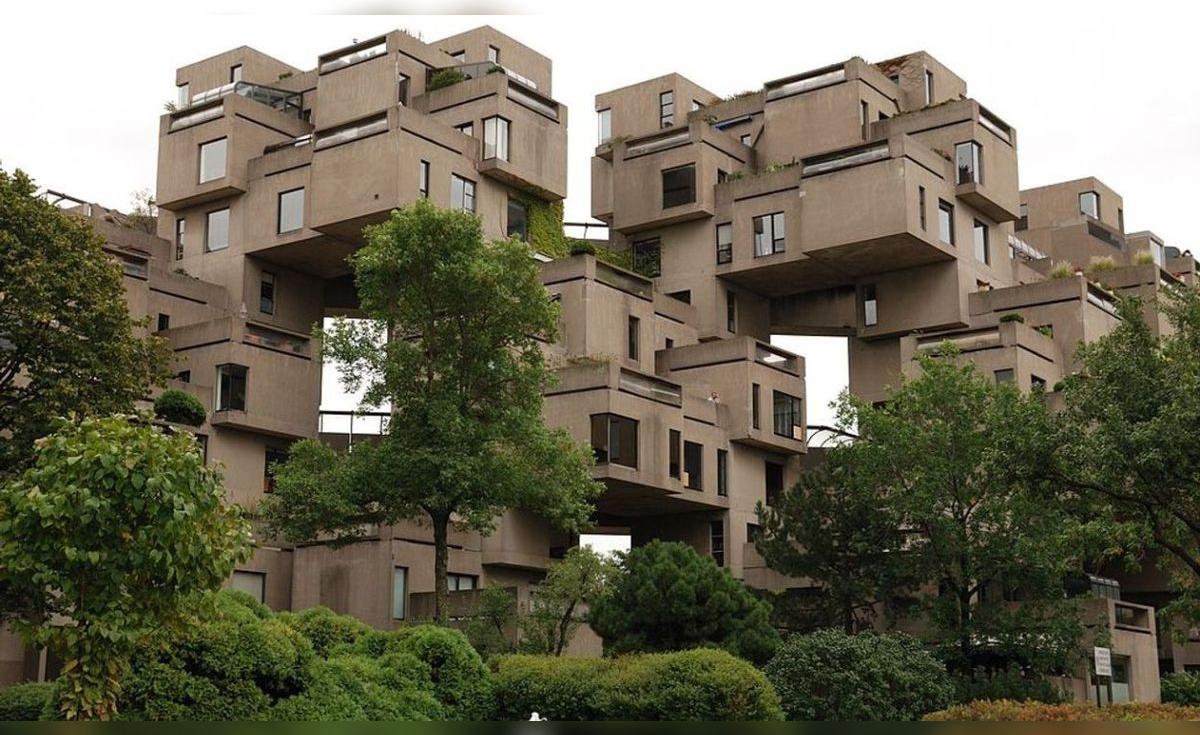
Long before modular architecture became a global trend, Canada surprised the world with a residential complex that looked like something out of a movie. Science fiction. It is about Habitat 67a visionary project designed to reinvent urban housing through prefabricated modules stacked like giant Lego pieces.
More than half a century after its construction, the complex continues to be a global architectural icon. Although its design revolutionized the way we think about high-density housing, it also brought with it technical problems and unexpected costs that continue to pose maintenance challenges. Even so, his influence remains alive among architects and urban planners who still see in him a reference for the urban future.
WE RECOMMEND YOU
MICHAEL JACKSON’S ASTRAL CHART: THE STARS BEHIND HIS GENIUS AND HIS SHADOWS | ASTROMOOD
How was Habitat 67 born and why was it so innovative?
The project was created by Moshe Safdie while he was still an architecture student. Their idea was to build prefabricated homes using concrete modules assembled in three dimensions, which allowed combining urban density with privacy, terraces, gardens and natural light for each home.
Inaugurated in 1967 during the Montreal Expo, Habitat 67 brought together 354 prefabricated concrete blocks weighing about 90 tons each. Each apartment was designed to offer cross ventilation, open views and private green spaces, under the concept of “a home with a garden for everyone”, something completely disruptive for the time.
Why does it continue to fascinate despite its problems?
Although it was born with the intention of offering accessible housingthe project ended up being much more expensive than anticipated. Its construction required advanced technology, complex assembly and industrial processes that were difficult to replicate, which greatly increased the budget and reduced the original number of homes projected.
As time went by, leaks, humidity, mold and waterproofing problems appeared caused by the complex connection between terraces, gardens and stepped modules. However, despite these difficulties, Habitat 67 never lost relevance.
This complex continues to inspire contemporary modular developments and remains a global reference on how to combine innovative architecture, quality of life and high-density urban design.
