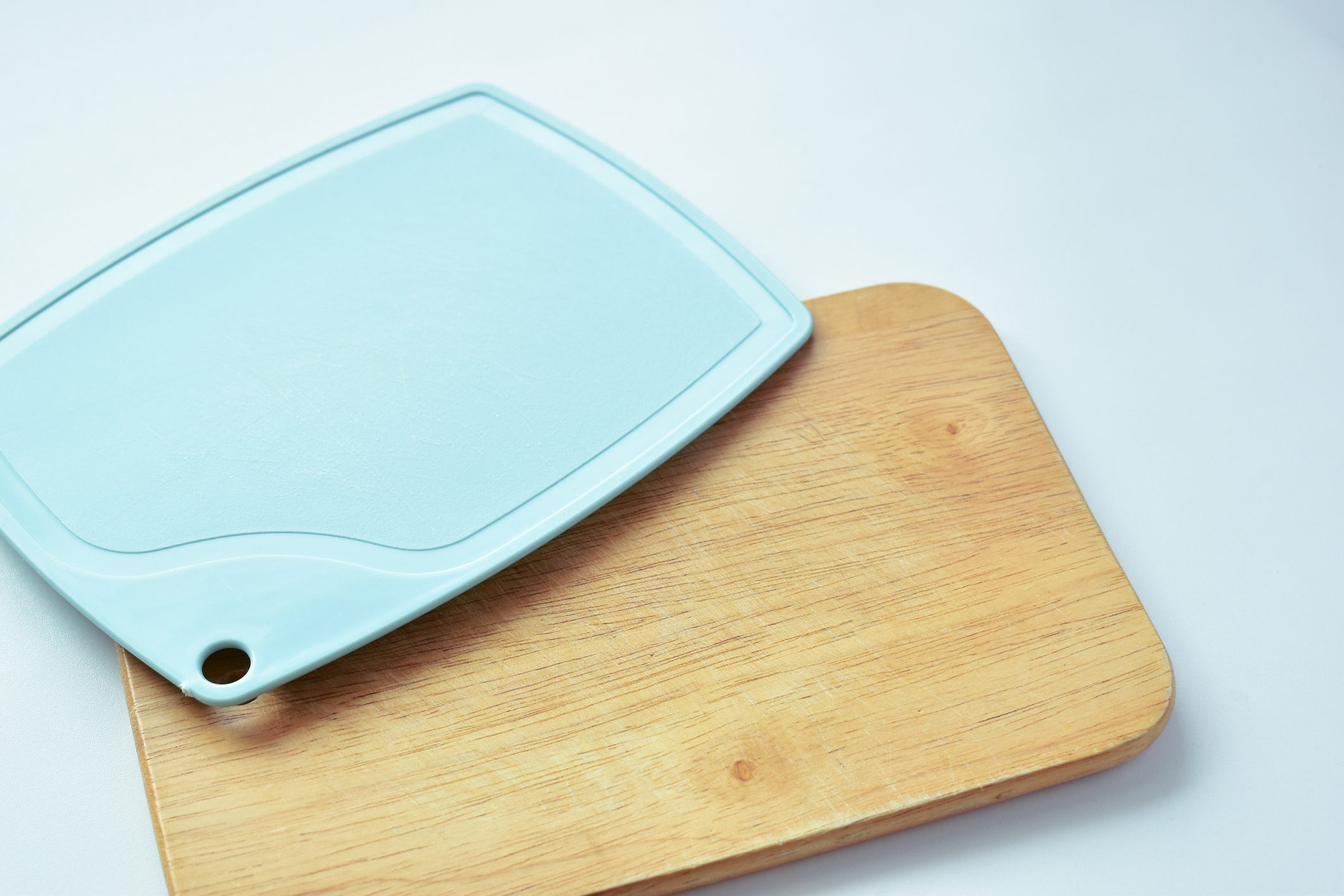
The cutting board it is perhaps among the most used utensils in the kitchen. For centuries it has always been in woodthen at the beginning of the 70s the first chopping boards were born plastic thanks to the availability of new synthetic polymers. From there a real debate began between modernity and tradition, with plastic often considered more reliable because it is less porous, simple to clean and less inclined, at least in theory, to retain residues that could give rise to cross contamination. Yet the issue is not so straightforward: some studies have observed that certain types of wood, such as sugar maple, can trap bacteria, preventing them from returning to the surface and infecting other foods. The problem is that the research available is few and very different from each otherso it’s difficult to proclaim an overall winner. In any case, as recalled by theUS Department of Agriculture (USDA), more than the material itself, what matters is the behavior of those who use it: thorough cleaningcomplete drying and separation between foods raw and ready to eat remain the true golden rules.
The problem with the wooden cutting board is its porosity
When we talk about a surface intended to host food, the main concern concerns the cross contaminationthat is, the transfer of microorganisms from one food to another, in this case via indirect contact: The surface of the cutting board can absorb bacteria from one food and transmit them to another. Among these bacteria we especially have those of animal origin and responsible for zoonosesthat is, the transmission of infectious diseases that pass from animals to humans, such asEscherichia coliThe Listeria monocytogenes and the Salmonella typhimurium.
The suitability of wood as a material for cutting boards has long been the subject of debate: the problem seems to be the intrinsic structure of the wood which is porous And hygroscopictherefore able to retain microorganisms more easily and transmit them to other foods through cross-contamination. For example, liquids released from red meat and poultry can contain pathogens that wood, with its tiny pores, traps.
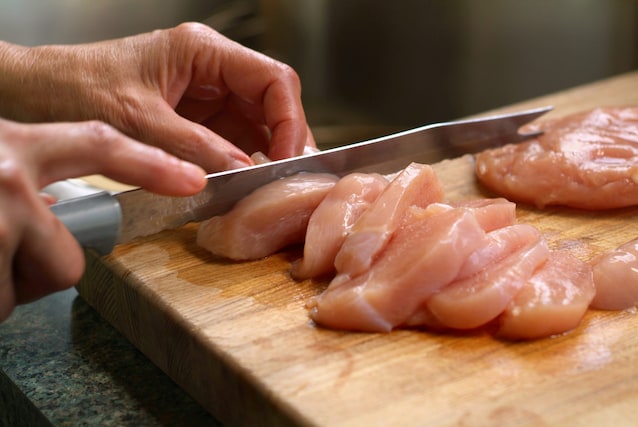
Even the US Department of Agriculture (USDA) states that the non-porous surfaces, like plastic they are less problems. Unlike wood which due to its porosity could incorporate bacteria, plastic which is generally considered a safer choice as it is a smooth surface and therefore theoretically easier to wash and disinfectunless there are cuts, inside which bacteria can nest, or other signs of wear.
The plastic one may not be the best: scientific studies on HDPE
However, there are other sources in the literature, such as research published on Environmental Science & Technology where it says that plastic cutting boards can release microplastics in foods. Although the impact on human health is still being studied, this is certainly an aspect that should be taken into consideration in the debate.
Some studies, in particular a recent research published in the scientific journal Journal of Food Protectionhave observed that certain types of wood, for example that of sugar maple (Acer saccharum) they seem do not favor bacterial survival, as one would expect. In some cases, bacteria penetrate the material but cannot survive, or easily return to the surface. The study shows how, after hours of contact with the microorganisms, the maple wood cutting board showed a microbial load inferior compared to a cutting board made of high density polyethylene (HDPE), i.e. plastic.
Why are there so many conflicting opinions? First, the few existing studies are limited due toabsence of a standardized protocol regarding the microbiological analysis of wooden surfaces. Then, the results can change based on several factors: the type of wood used, the quality of the plastic, the presence of scratches or wearthe type of bacteria analyzed and the frequency of use of the cutting board. A domestic chopping board used occasionally is certainly not comparable to a professional one subjected to intensive daily use.
Beyond the Material: U.S. Department of Agriculture Sanitation Rules
Whether you use plastic or wooden cutting boards, the USDA recommends a few simple practices: Always wash them with hot, soapy water possibly after each userinse them and dry them in the air or with absorbent paper. A further precaution is to use two different cutting boards: one for meat, fish and seafood, and another for foods such as bread and vegetables. In this way, contact between microorganisms that could infest foods intended for cooking and foods consumed raw or without other thermal processing is avoided.
There are also alternatives to classic cutting boards, such as those made of bambooless porous than traditional wood, or those constructed from steelceramic or glass, which are also smoother than wood and easier to clean and possibly disinfect.
