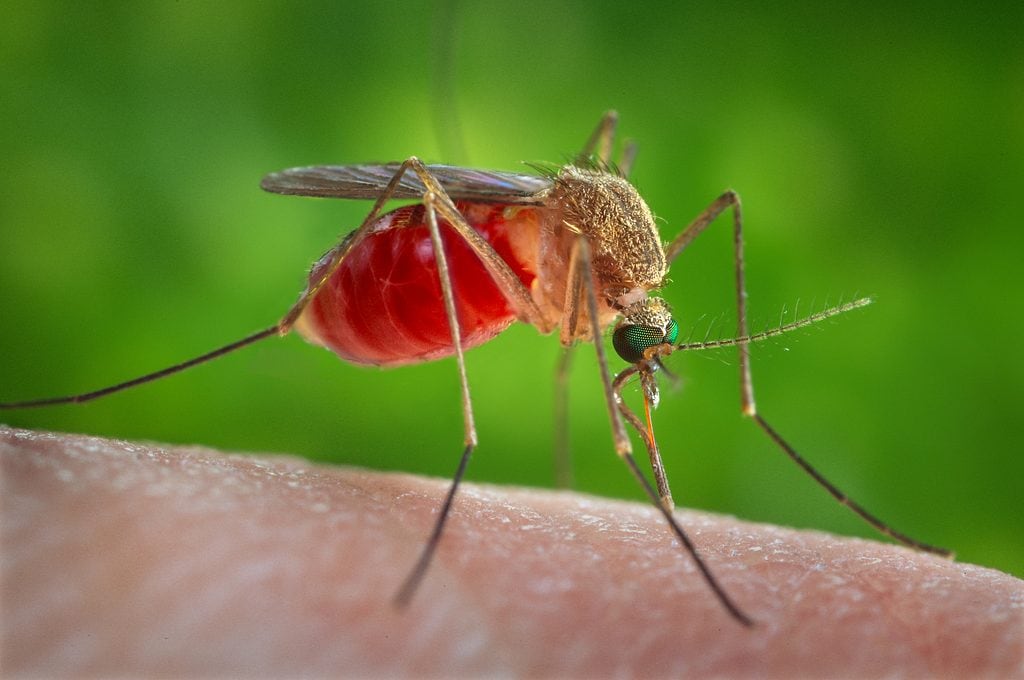
There is no animal in the world more lethal than mosquitoes (the Anopheles more than other species), which secured the Guinness World Record award in 2017 with the words “Deadliest animal”, causing the death of approximately 725,000 to 1 million people each year.
The diseases they bring with them (from dengue to yellow fever, depending on the species) are spreading across increasingly larger geographical areas and do not always have valid and effective vaccines or treatments. And the most surprising answer to all this came from a group of engineers and scientists from Googleconvinced that to stop mosquitoes you have to use… other mosquitoes.
Google LLC has in fact submitted a formal request to the US EPA for the experimental release of approximately 64 million male specimens of mosquitoes Between California and Florida over two years (around 32 million specimens per year) with the aim of drastically reducing the population of wild mosquitoes in these areas, without changes genetics insects, chemicals or toxins.
The mechanism is based on a bacterium that already exists in nature
But how do you stop mosquitoes using other mosquitoes? The answer is a bacterium called Wolbachia pipientisa microorganism that lives naturally inside the cells of many insects, estimated to be present in approximately 40-60% of all arthropod species (the group that includes insects, spiders and crustaceans) on the planet. It is an organism that has existed in nature for millions of years.
The team Debugging breeds male mosquitoes of the species Culex quinquefasciatus with a specific strain of this bacterium. When these males are released and mate with wild females that do not carry the same strain, a biological mechanism called cytoplasmic incompatibility: In very simple words, fertilized eggs fail to develop and do not hatch. This technique does not entail any genetic modification of insects, uses no chemicals or toxins, and the released males pose no direct danger to humans because male mosquitoes do not bite. It is an exclusive prerogative of females, who need blood to mature their eggs.
One of the most reassuring aspects of this technique is that its effect is self-limitingthat is, it runs out on its own. Unlike a chemical pesticide that persists in soil, water and the food chain for years, released males are biological organisms with short lives. If the releases stop, the wild mosquito population simply grows again without any external interference, leaving no traces in the ecosystem.
Google would like to free 32 million mosquitoes per year: stop the “bad” ones with “good” mosquitoes
On June 27, 2025, Google LLC formally submitted to theEPA – the US Environmental Protection Agency – a request for an experimental permit to release millions of mosquitoes into the wild. The EPA has assessed the proposal of regional and national relevance, opening a public consultation with a deadline set for June 5, 2026.
The plan’s numbers are quite impressive: 16 million mosquitoes per state, for two consecutive years, in California and Florida. About 64 million in total. The goal is not to create an invasion, but instead to drastically reduce the population of wild mosquitoes in these areas, gathering enough scientific data to then obtain official registration of the product on a larger scale.
It’s not the first time: the case of Singapore
Before seeking permission in California and Florida, Debug had already demonstrated that the idea could work. Since 2018 he has collaborated with the Singapore environmental agency as part of the so-called “Wolbachia Project”, and in 2024 it released around 6 million male mosquitoes (in this case of the species Aedes aegypti) every week. Today there are more than 10 million per week.
The results were measured with scientific rigor, the trials conducted in Singapore showed a suppression of 80-90% of the population of Aedes aegypti (main vector of dengue) and one reduction of more than 70% in dengue cases after 6-12 months of releases. Numbers which, if replicated in the United States, would amply justify the entire operation.
About 4 billion people worldwide live in dengue-prone areas, and Asia brings the 70% of weight. That’s why Debug chose Singapore as the first international research and development hub, not only to produce more mosquitoes, but to build technologies increasingly precise: from artificial intelligence to separate males and females, to robotics for automated breeding, up to GPS vans that release insects in a controlled manner onto the territory.
