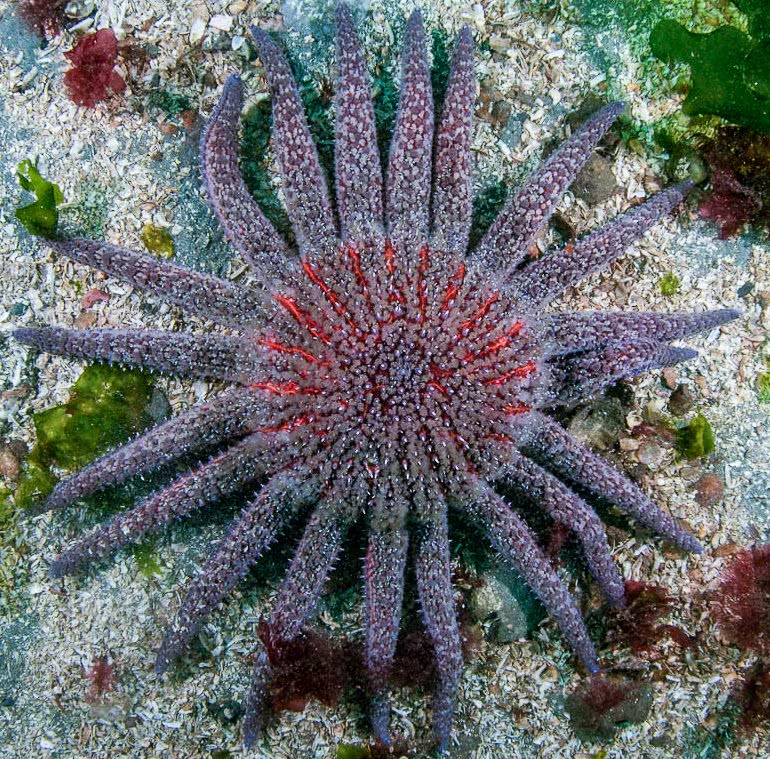
It had almost disappeared from the North Pacific, wiped out by what NOAA calls the largest marine epidemic ever documented with billions of dead specimens. Now the sunflower starfish (Pycnopodia helianthoides), belonging to the Asteriidae family, is slowly reconquering the waters of California, and the signals collected in recent months by the US government agency that deals with oceans and atmosphere are more encouraging than expected. In August 2025, during a search operation called “Pycnopalooza”, divers from the Greater Farallones National Marine Sanctuary (the marine protected area off the coast of San Francisco) found some 18 in a single shipment. It is the largest starfish in the world and with its arms (16 to 24) it exceeds 90 centimeters in diameter. And in June 2026, thanks to a new tool based on the Environmental DNAresearchers detected the presence of the species at six distinct sites along the coasts of Mendocino, Sonoma and San Mateo. Tyler Mears, a NOAA diver who participated in the research, described the feeling of that find as that of “a paleontologist seeing a dinosaur.”
The sunflower starfish, the largest in the world with almost 1 m in diameter
There sunflower starfish it is the largest starfish on the planet. It has a diameter that can exceed 90 centimetres and owns from 16 to 24 arms arranged in a radial pattern (like the petals of the flower that gave it its name). For an echinoderm (the group that includes starfish, urchins and sea cucumbers) it is also considered fast: it moves at about one meter per minuteenough to actively chase prey.
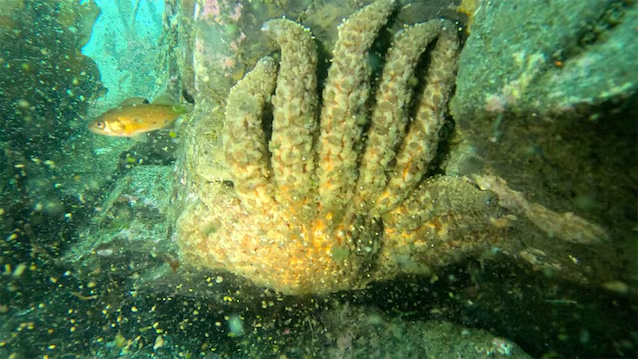
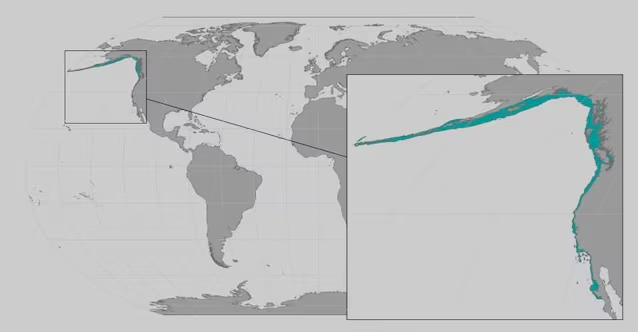
It is distributed along the entire north-eastern coast of the Pacific, from the Aleutian Islands in Alaska to Mexican Baja California, both in the intertidal zones and in the subtidal seabeds up to 435 meters deep. He is an opportunistic predator who it feeds on sea urchinsclams and other invertebrates, identifying them through chemoreceptors.
Because its disappearance destroyed the kelp forests
The giant starfish is a key species for kelp forests of the Pacific, that is, an organism whose presence or absence influences the ecosystem to a disproportionate extent compared to its numerical abundance. Kelp forests (huge structures formed by giant brown algae – Macrocystis pyrifera) are among the richest and most productive marine ecosystems in the world: they host hundreds of species, filter nutrients and support coastal fisheries.
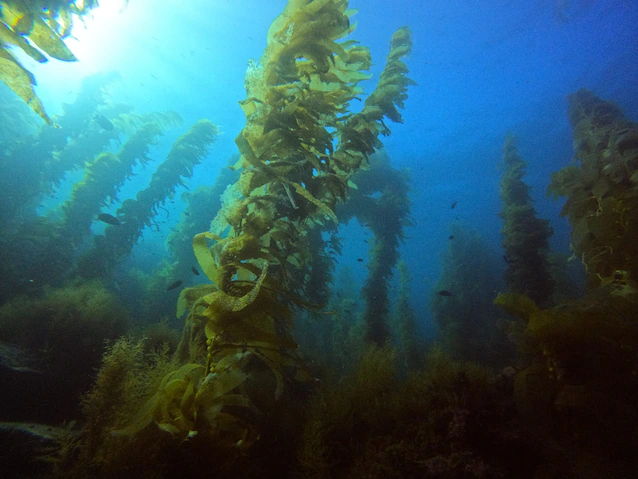
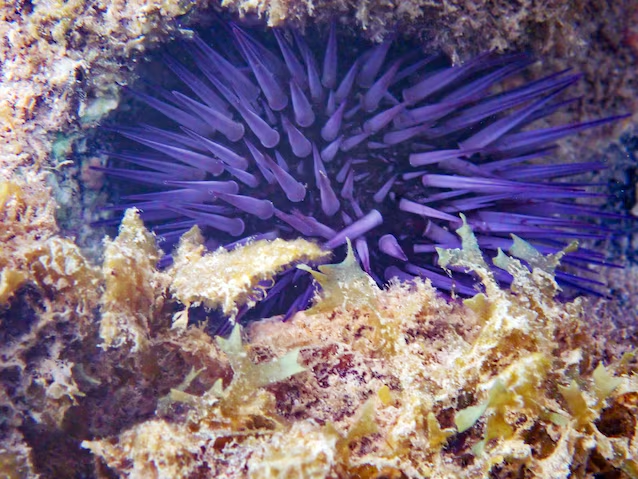
Their equilibrium depends on whether i purple sea urchin (Strongylocentrotus purpuratus), large kelp eaters, are kept under control by predators such as sea otters and the sunflower starfish. Its disappearance has led urchins to proliferate out of control, transforming forests into underwater deserts. The California Ocean Protection Council estimates a 96% loss of kelp cover along the state’s northern coast.
Precisely its importance makes monitoring the species an enormous challenge, recently resolved with a new tool: the Environmental DNA (eDNA). But what is it? Each animal continuously releases fragments of its genetic material into the water and, by collecting a sample of sea water and analyzing it in the laboratory, the researchers PMEL (Pacific Marine Environmental Laboratory) of NOAA are now able to detect the presence of the sunflower starfish even without seeing it. “By analyzing the tiny amounts of genetic material they release into the water, we can now identify these large but extremely rare starfish without ever seeing them,” explained Zachary Gold, lead scientist of PMEL’s Oceanic Molecular Ecology program. The method is cheaper and more sensitive than a diving campaign, the results arrive quickly and open surveillance to areas too deep for divers. Field confirmation came when, after a positive eDNA detection in Northern California, divers went into the water and found a young specimen.
In 4 years, 90% of its population collapsed: bacteria, heat and epidemic
Since the summer of 2013, the Pacific coasts of North America have been affected by the Sea Star Wasting Syndrome (SSWS)a serious disease that causes the tissues of these animals to rapidly decompose. Among the more than twenty species involved, the sunflower starfish suffered the most catastrophic impact: in just four years its global population collapsed by 90%, with an estimated loss of around six billion specimens, leading it to functional extinction in California.
In the summer of 2025 a study published in Nature Ecology & Evolution has definitively identified the cause in the bacterium Vibrio pectenicicide. This epidemic was triggered by a true environmental perfect storm. During that time, the exceptional ocean thermal anomaly known as “The Blob” raised water temperatures up to 3°C above average. The heat drastically weakened the starfish’s immune system, while simultaneously offering the bacterium ideal conditions to proliferate.
Having positively identified the pathogen marks a vital turning point for the conservation of the species. This information will allow the captive breeding programs to select individuals with natural resistance to the bacterium, laying the foundations for reviving the population and encouraging the slow, but concrete, return of the sunflower starfish to its ecosystems.
