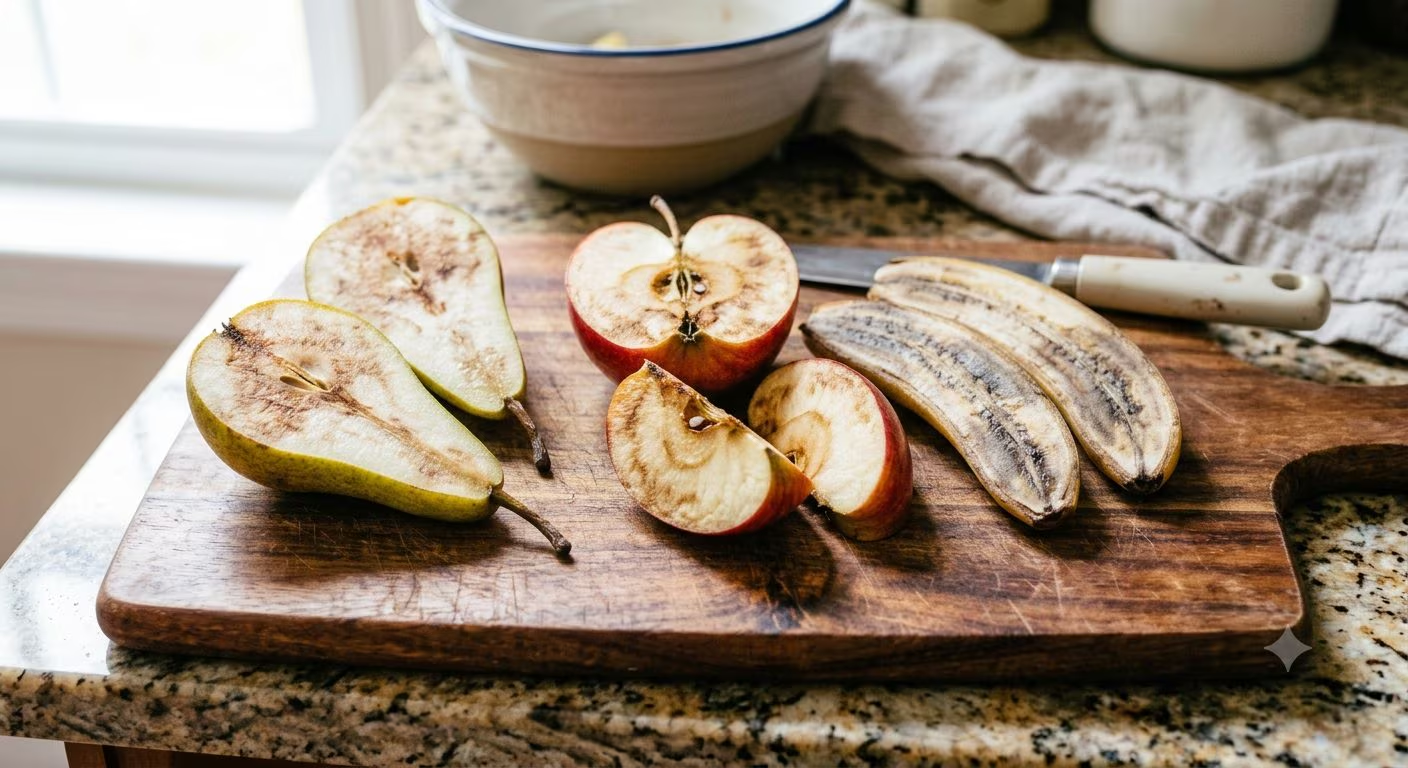
Sometimes it happens that you cut a fruit like an apple, a pear or an avocado and find it brown after a few minutes. Don’t worry: it’s aboutenzymatic browning (enzymatic browning) and does not mean that the fruit has gone bad: in most cases it is a change in the color and, in part, in the sensorial characteristics of the product. According to a review published on Molecules in 2020, there is one cause enzymatic chemical reaction which is activated when the fruit is cut, peeled or even bruised. In these conditions, in fact, an enzyme present in plant tissues, la polyphenol oxidase (PPO)come into contact with theoxygen of the air and with some substances naturally present in the fruit, giving rise to brown pigments. Fortunately, if we want to prepare a fruit salad without risk, there are several ways to slow down this process. Add lemon juicethanks to the presence of vitamin C which acts as an antioxidant; also store fruit in refrigerator and limit it as much as possible contact with air they are all methods supported by scientific literature.
Cut fruit turns black due to an enzyme
Normally the enzymes present in an intact fruit are “separated” by biological barriers within different cellular compartments. As long as the plant tissues remain intact, the “biological motors” do not come into contact with each other or with other substances. But when we cut a fruitcellular structures break down and the enzymes are released; in particular, the polyphenol oxidase (PPO) suffers exposure toatmospheric oxygen which triggers the phenomenon of browning that we observe. According to a 2023 review in Current Research in Food Science by KM Moon and colleagues, the enzyme, in air, oxidizes phenolic compounds present in plant tissues, transforming them into molecules called quinoneswhich subsequently react with each other to form i brown pigments responsible for the typical brown color observable on the surface of the fruit. The oxygen in the air is therefore a indispensable ingredient of the process: without its presence the reaction proceeds much more slowly and would become imperceptible to us. It’s all part of a complex plant defense mechanism against external damage and stress. From a practical point of view, however, browning can represent a problem for us: aroma and texture may be affected.
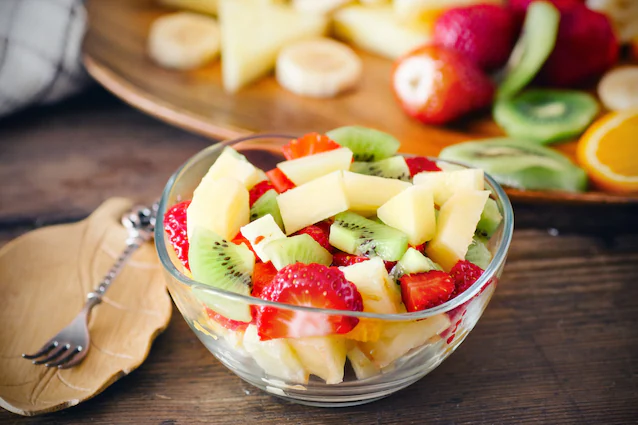
How to slow down browning: two tips
One of the most effective remedies for preventing the browning of fruit, also validated by research such as that of Dr. Moon, consists of adding a few drops of lemon juice on the surface of freshly cut fruit. Lemon contains citric acid and ascorbic acid (better known as vitamin C), two substances capable of inhibiting the enzymatic activity of polyphenol oxidase, therefore preventing the production of annoying brown pigments. Citric acid lowers the pHcreating a less favorable environment for the enzymewhile vitamin C acts as antioxidantthat is, oxidizing in place of the phenolic compounds, avoiding the formation of colored molecules.
Not only that, even simple measures can help reduce the phenomenon, such as limit exposure to air or lower temperaturefor example by leaving the cut fruit in the fridgeso as to slow down enzymatic reactions. There are also official recommendations for use in home preparations of canned food: The National Center for Home Food Preservation in the United States recommends the use of ascorbic acid (vitamin C) to prevent blackening of fruit during preparation and storage. After all, the same principle it is also exploited by the food industry, which uses it frequently antioxidant substances such as vitamin C to maintain the natural color of fresh fruit and vegetables for longer. All things considered, a few drops of lemon, a little cold and less contact with the air are more than enough to slow down the action of the enzymes and keep the fruit fresh and inviting for longer.
