g
Imagine throwing away a banana peel. Is this where his story ends? It depends where we throw it: He might even start a completely new one. In fact, if it is disposed of together with organic waste, it may undergo a process of decomposition where some organisms such as bacteria transform it into a material rich in nutrients: the compost. It is a mixture of biodegradable substances which, once matured, can be used as fertilizer natural for plants. In the soil, this material releases humic substances which improve the structure of the soil, increase the availability of nutrients and help limit some pathogens. These substances can also directly influence plant growth by stimulating biological processes such as root development. In addition to the agronomic benefits, compost represents a sustainable solution to reduce waste and promote a model of circular economytransforming what we discard into a new useful resource.
Characteristics of compost: what it is and what it is used for
The compost it is a material with an earthy and brownish appearance, which derives from decomposition of organic waste and can be used as fertilizer. According to what is reported in the Treccani Encyclopedia, its name derives from Latin composite (“compound”), which indicates a real one mixture of substances: the materials used are numerous and variable, but the predominant fraction is made up of organic compounds biodegradablethat is, everything that was once living (or deriving from it) and that can be “attacked” by organisms such as bacteria, fungi or small invertebrates, to be transformed into nutrients that will then support plant life.
Examples of substances that can be used for compost are:
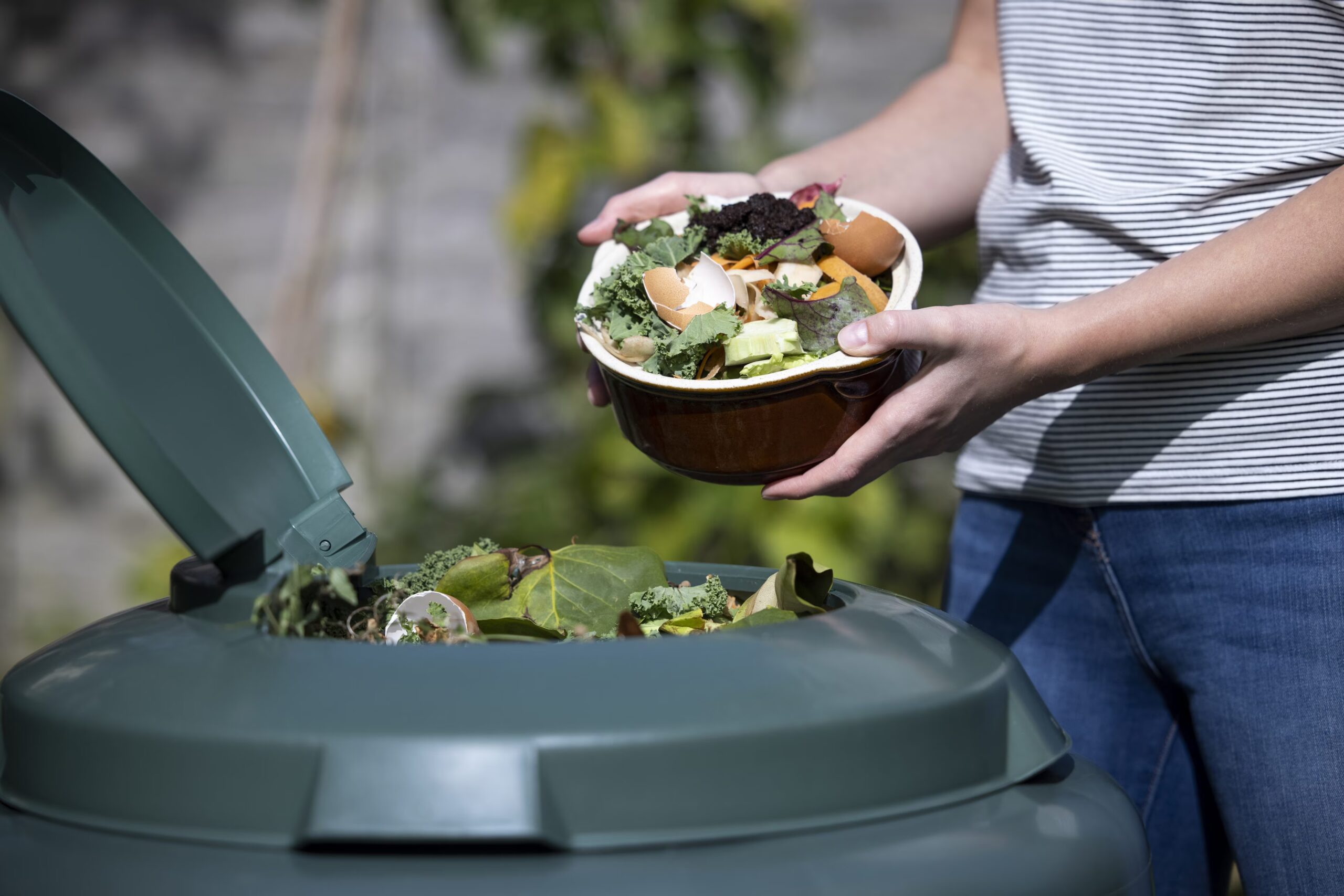
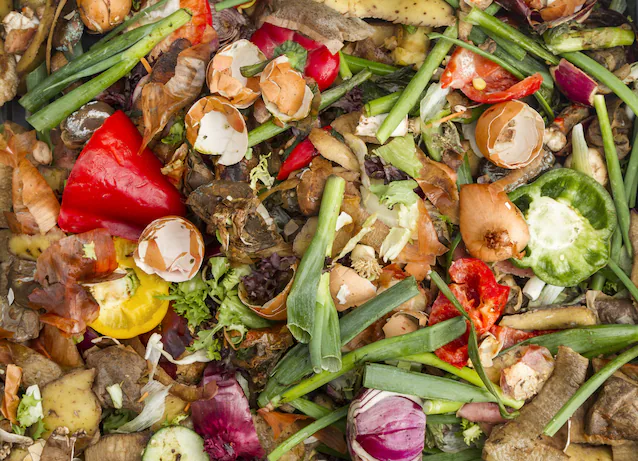
- Kitchen scraps (such as fruit and vegetable peels, egg shells, mollusc shells)
- Garden and vegetable waste (cut grass, withered flowers, pruning twigs, straw)
- Stove ash (in small quantities)
- Sawdust
- Old soil
Be careful though: not everything that is of biological origin represents a good option for becoming compost. Some organic waste of animal origin, especially dairy products, fish and meat, generate bad odors that attract unwanted insects or animals, making the composting process slower and more difficult.
As for what cannot be composted, they should be avoided synthetic or non-biodegradable waste, such as: glass, plastic, fabrics, exhausted batteries, expired medicines, paints and coated paper (such as magazine paper).
The effects on plants: the advantages
Once ready, the compost can be mixed with the soil of the plants in our garden, in our vegetable patch or in domestic pots. As described in an academic journal article Science of The Total Environmentcompost is able to release lees into the soil humic substances: these are substances that derive precisely from the degradation of organic matter, the main ones beinghumic acid el’fulvic acid. These substances act both at soil level and within the plant.
For example, humic substances act in the soil by increasing its porosity and ensuring better retention of water and nutrients. These substances can bind (or “complex”) different elements present in the soil: like this they retain nutrients useful, making them available for plants longer and, at the same time, binding elements potentially toxiclike thealuminumreducing its availability and therefore its absorption by the plant.
Furthermore, humic substances, thanks to some of their groups of atoms such as carboxyl and phenolic groups, contribute to containing some pathogens. But that’s not all: once absorbed by the roots and passed inside the plant organism, humic substances implement a series of useful mechanisms to support growth. The dynamics are still partially unclear, but according to a study published in the scientific journal Plant Signaling & Behaviorhumic substances could mimic the activity of plant hormones like them giberellins and, above all, the auxins: by mimicking their action, they influence processes such as cell division and protein synthesis, ultimately resulting in greater plant growth. For example, in the study it was found that plants of the genus Arabidopsis if treated with humic substances they demonstrated a greater number of lateral roots compared to those that had not been treated.
Compost gives waste a second life: how to do it
Compost represents a fundamental solution for protecting the environment, allowing us to give new life to organic compounds that would be incinerated or disposed of, contributing to environmental pollution. Through the process of natural decomposition, these wastes are “reborn” as fertile material, promoting a pattern of circular economy: what is discarded on the one hand can become a precious resource on the other. It is no coincidence that more and more Italian cities are encouraging citizens to separate the organic fraction and transform it into compost. A significant example is the project “Let’s compost!” promoted by the Metropolitan City of Rome, which provides information and guidelines for home composting through an institutional website.
Compost can be produced at home, thanks to containers known as composterwhich are usually placed in the garden or on the balcony. Organic waste accumulates inside them and is gradually transformed into compost, within a controlled micro-environment.
