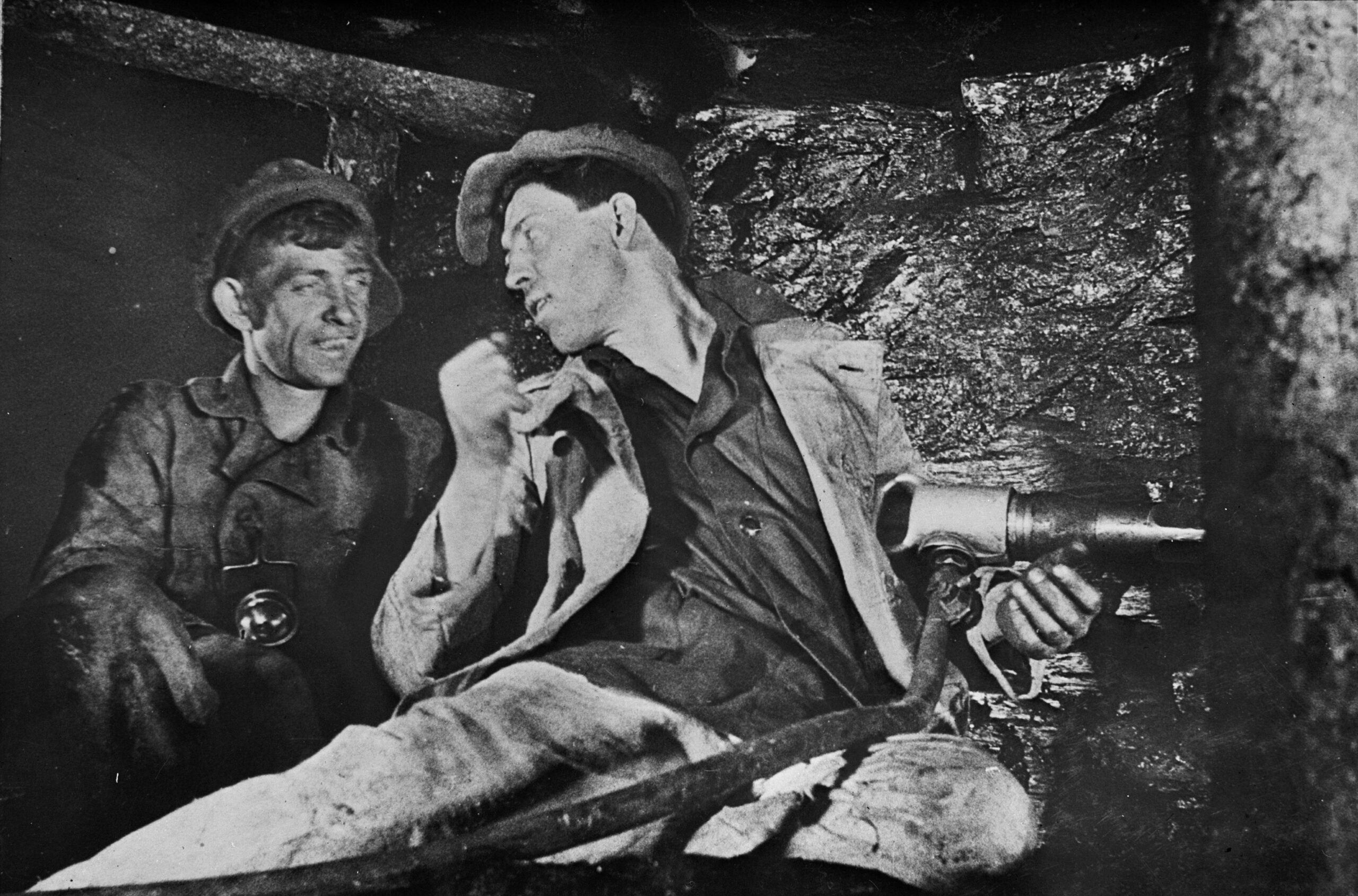
It was August 31, 1935 when the Soviet miner Alexei Grigoriyevich Stakhanov he set the record for the greatest quantity of coal extracted in one working day, lifting 102 tons in 5 hours and 45 minutes and being proclaimed “Hero of Socialist Labor”. From that day his name became a synonym for indicate those who work for a long time with perseverance and commitment, a person who shows an extraordinary (or exaggerated) attachment to work, with uncommon zeal, to the point of the negative nuance of someone who does it excessively and obsessively, to the detriment of health, rest and private life.
The word sTakhanovitethe forms are less common Stakhanovite or workaholicstill indicates an extreme personal dedication to work today and hides an important part of the history of the end of the twentieth century. In this era the Soviet Union gave enormous prominence to Stakhanov’s working methods, so much so that in his honor August 31st was proclaimed “coal miner’s day” and in 1978 the Ukrainian city of Kadievka was renamed “Stakhanov”.
Alexei’s innovative method was based on cooperation between workersa fundamental principle of industrial mass production. Its success was such that the Soviet Union extended this revolutionary method to other sectors e Joseph Stalin he approved the application of special privileges and higher salaries to all members of the nascent one Workaholic movementwhich aimed to increase productivity through rationalization of work.
November 14th 1935 the first was held general conference of the Workaholicsan occasion in which Stakhanov’s supporters exposed their working methods by providing details on the best production results achievable through the rationalization of work. At the outbreak of Second World WarStakhanovism was there already widespread in all branches of the mechanical industry and machinery manufacturing, such as car engines, metallurgy, chemical industries and power plants.
This story had such an important impact that the word entered our dictionary, although today it has acquired different shades of meaning. While the world of work has changed radically, not only in a blue-collar or manual context, the term workaholic is often used with negative meaning, more than a praise, to indicate those who work too much. Also complicit different perception of the meaning of modern workin some situations, those who stay in the office late, respond to emails even on weekends, or live as if free time were time taken away from work are criticized; the English would define it workaholisma portmanteau derived from the combination of work and alcoholism, a real addiction and intoxication from constant work.
The term workaholic, therefore, has undergone a transformation semantic transformation that gives industrial praise has changed into a neutral description or a true one social criticism
