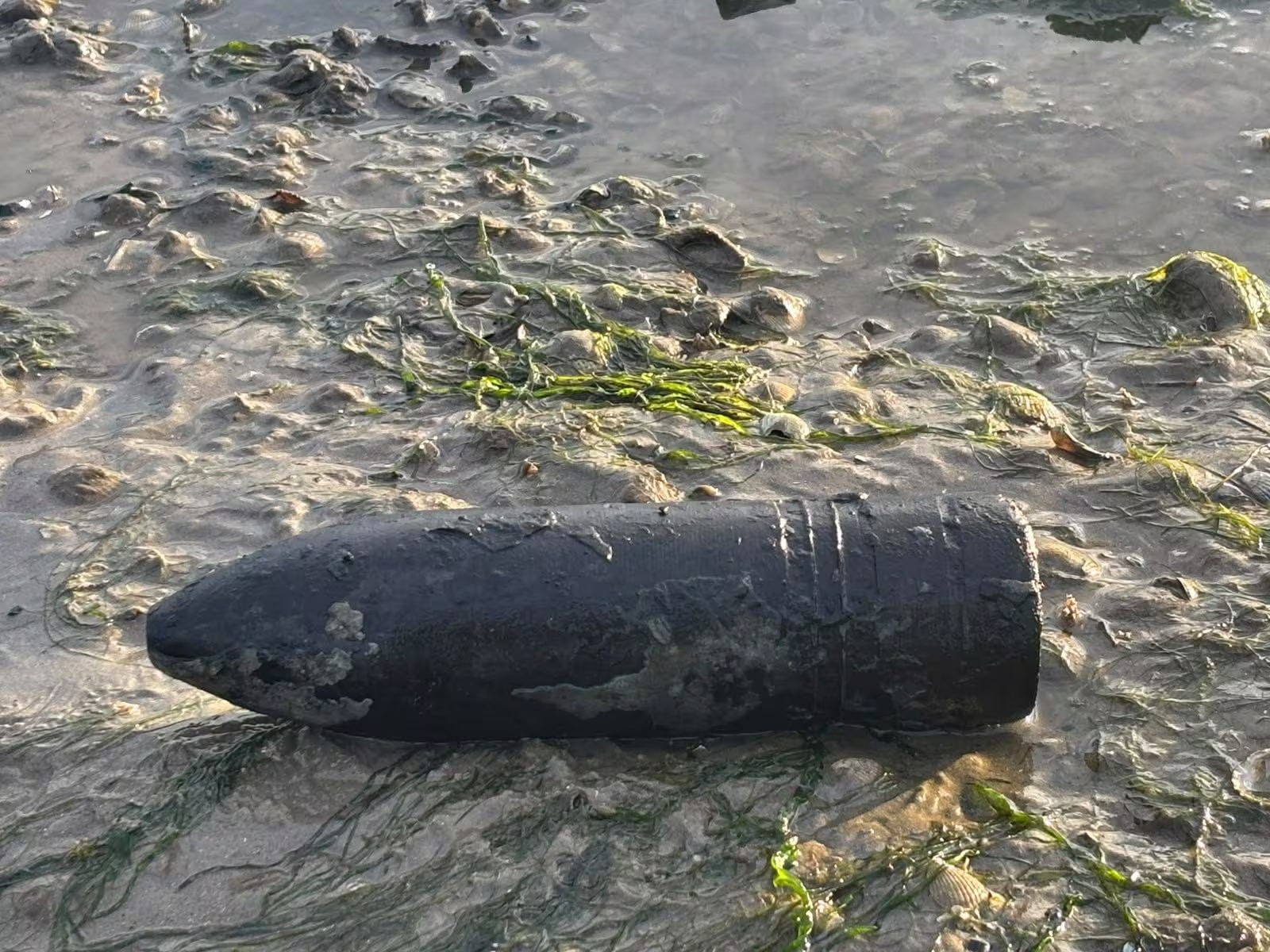
A normal walk on the coast of Southend-on-Sea, Essexin the’Eastern Englandended with the discovery of a World War II artillery shellbrought to light by the tide. A swimmer on the beach reported a characteristic object to the authorities bullet shapelocated less than half a mile south of The Crowstonea monument located along the coast.
The police intervened immediately on the spot HM Coastguard (the British Coast Guard) of Southend-on-Sea, who located the object and transmitted some photographs to the British Army teams specialized in ordnance management. The bomb squad decided to leave the necessary coast guard personnel on site and to return later, when the tide had dropped further, to be able to identify the find more precisely and establish how to intervene. Upon their return, coast guard operators accompanied the bomb squad to the affected area. The object, fully visible due to the total lowering of the tide, was identified as a old bullet from the Second World Warwith a diameter of approximately six inchesjust over 15 centimetres. The device was in good condition perfectdespite 80 years spent underwater and under the sand.
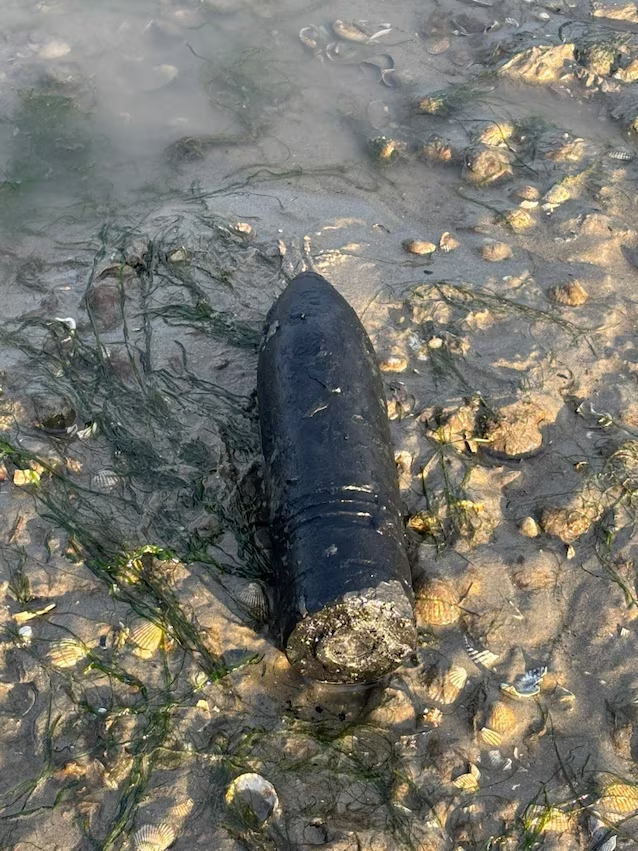
Consider the conditions of the discovery and the position of the bomb (far from inhabited centers or frequented areas), the bomb squad decided to proceed with its detonation on sitebelieving that the operation could be carried out without putting the people present on the coast at risk. THE’controlled explosion he produced a large cloud of debrisdocumented by images subsequently released by the British Coast Guard.
The discovery reminds us that, more than eighty years after the end of the conflict, they can still be found on British coasts emerge war remnants that have remained buried for decades under the sand or exposed by the action of the tides. This is not a phenomenon limited to England. This summer, due to the dry of the Danubedozens of war remnants have emerged in Central Europe, including a 700 kg bomb.
THE problems caused by the emergence of these explosives are not to be underestimated. In May, in Indonesiafive people were killed and twenty others injured due to the handling of a World War II bomb. The British Coast Guard, in reference to what happened in Southend-on-Sea, underlined the danger of these objects and invited anyone who finds something suspicious or out of place on the beach or in the sea to do not touch it, move it or take it awayleaving specialists the task of establishing whether it is a bomb and how to make it safe.
