There Spain confirms itself as one of the most interesting European regions for the study of ancient human populations, with a new discovery dating back to over 200,000 years ago: a fragment of human skull found in the archaeological site of Ruiderain Castilla-La Mancha, in south-central Spain, offers new information on the populations that inhabited Europe during the Middle Pleistocene (900,000-130,000 years ago) and human evolution. Described in a new study published in Journal of Human Evolutionwith D. García-Martínez as the leader, within the program Primeros Pobladores del Alto Guadiana (PPAG), the find, called RVH-1, represents the first human fossil discovered in the deposit – the first outside the Atapuerca site – and contributes to filling a gap in the paleoanthropological documentation of the southern Iberian Peninsula.
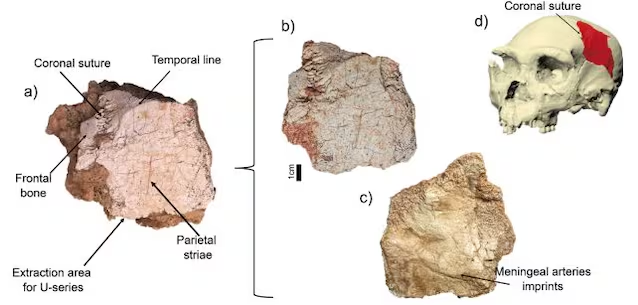
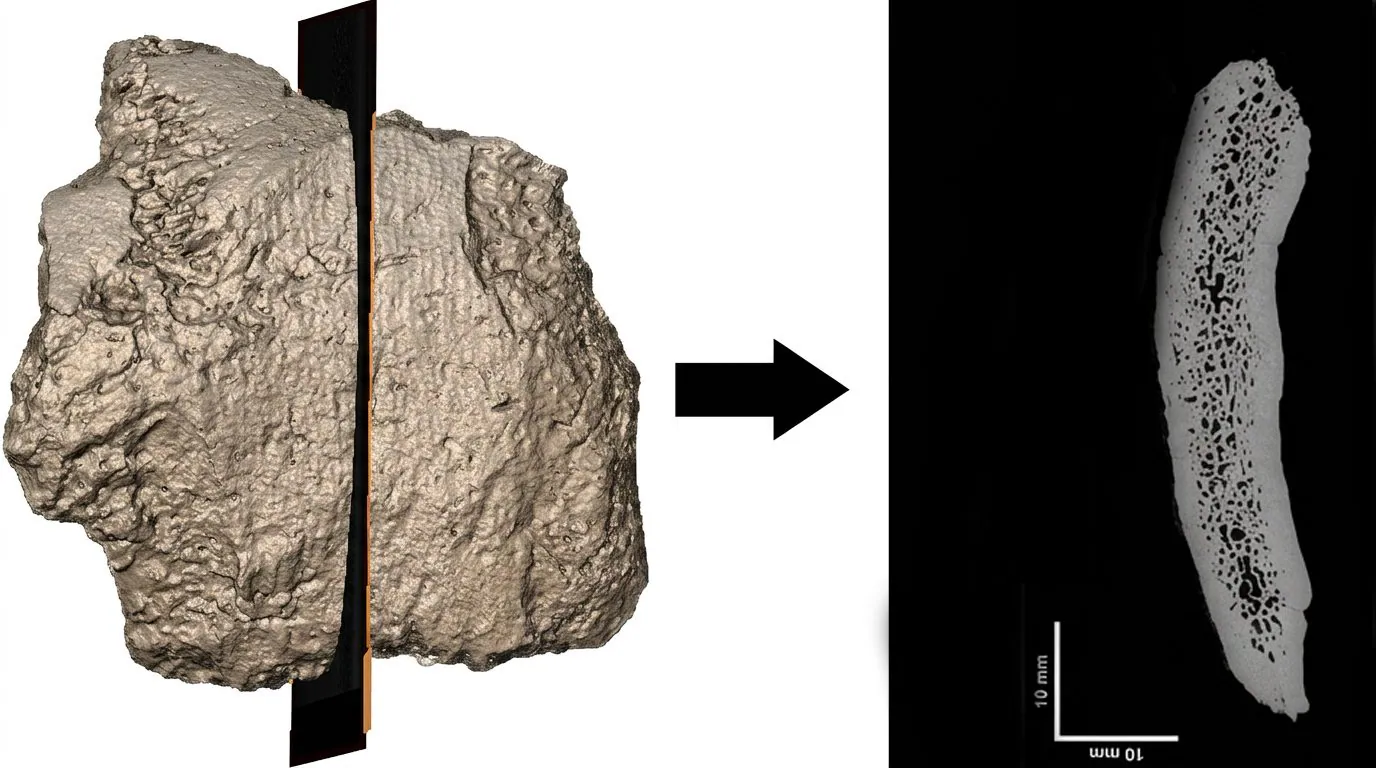
The fossil consists of a portion of the left parietalrecovered in sediments dated to older than that 200,000 years ago through a combination of geochronological methods. Although the find is fragmentary, its state of conservation has allowed a detailed analysis of the external and internal morphology, the thickness of the bone and the organization of the imprints left by the blood vessels of the meninge. Comparisons with numerous European fossils show that RVH-1 exhibits a wide variety of characteristics. Some features are reminiscent of older populations from the Middle Pleistocene, while others are shared with later finds. This combination does not allow us to confidently attribute the fossil to a specific human species, but it confirms the high anatomical diversity that characterized European hominins before the emergence of Neanderthals.
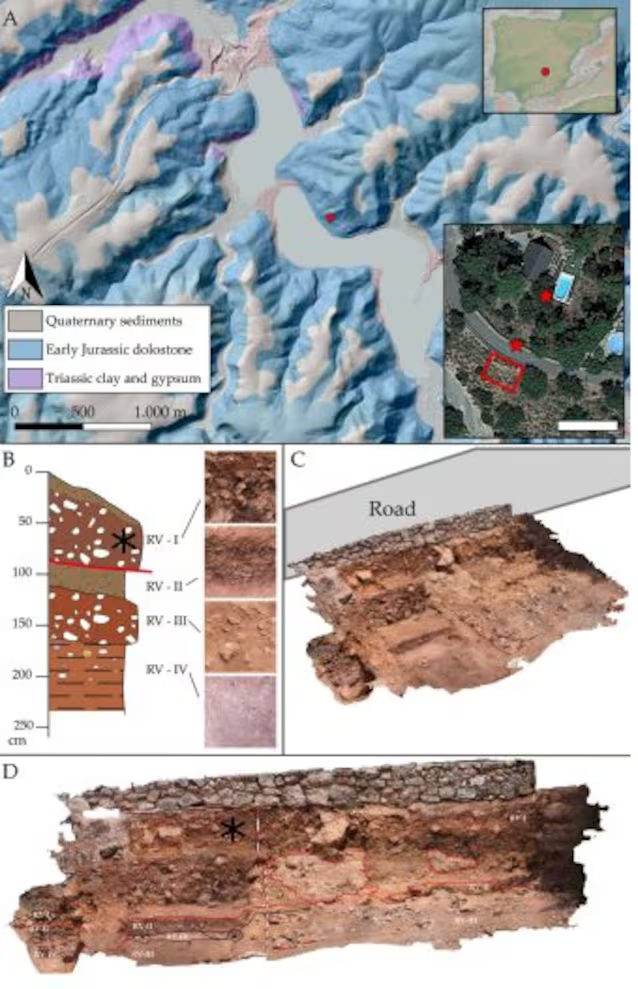
The authors insert the finding into the debate known as “muddle in the middle““confusion in the middle“, an expression with which paleoanthropologists describe the complexity of the populations that lived there between 500,000 and 200,000 years ago. In this chronological interval, in fact, numerous European fossils show different combinations of primitive and innovative characters, suggesting that evolution did not occur in a linear or uniform way in the different regions of the continent. The study also highlights the value of the Ruidera site. Until now the area had mainly yielded faunal remains and evidence of human activity, but fossils attributable to the genus were lacking Homo. The discovery of RVH-1 demonstrates that the site holds important potential for reconstructing human presence in southwestern Europe during a crucial phase of evolution.
According to the authors, they will be necessary new excavations and further finds to better understand thebiological identity of these human groups. Already today, however, the Ruidera fossil reinforces the idea that the European Middle Pleistocene was populated by much more heterogeneous communities than previously assumed and that the evolutionary history of Neanderthals was the result of a complex, articulated and regional process.
