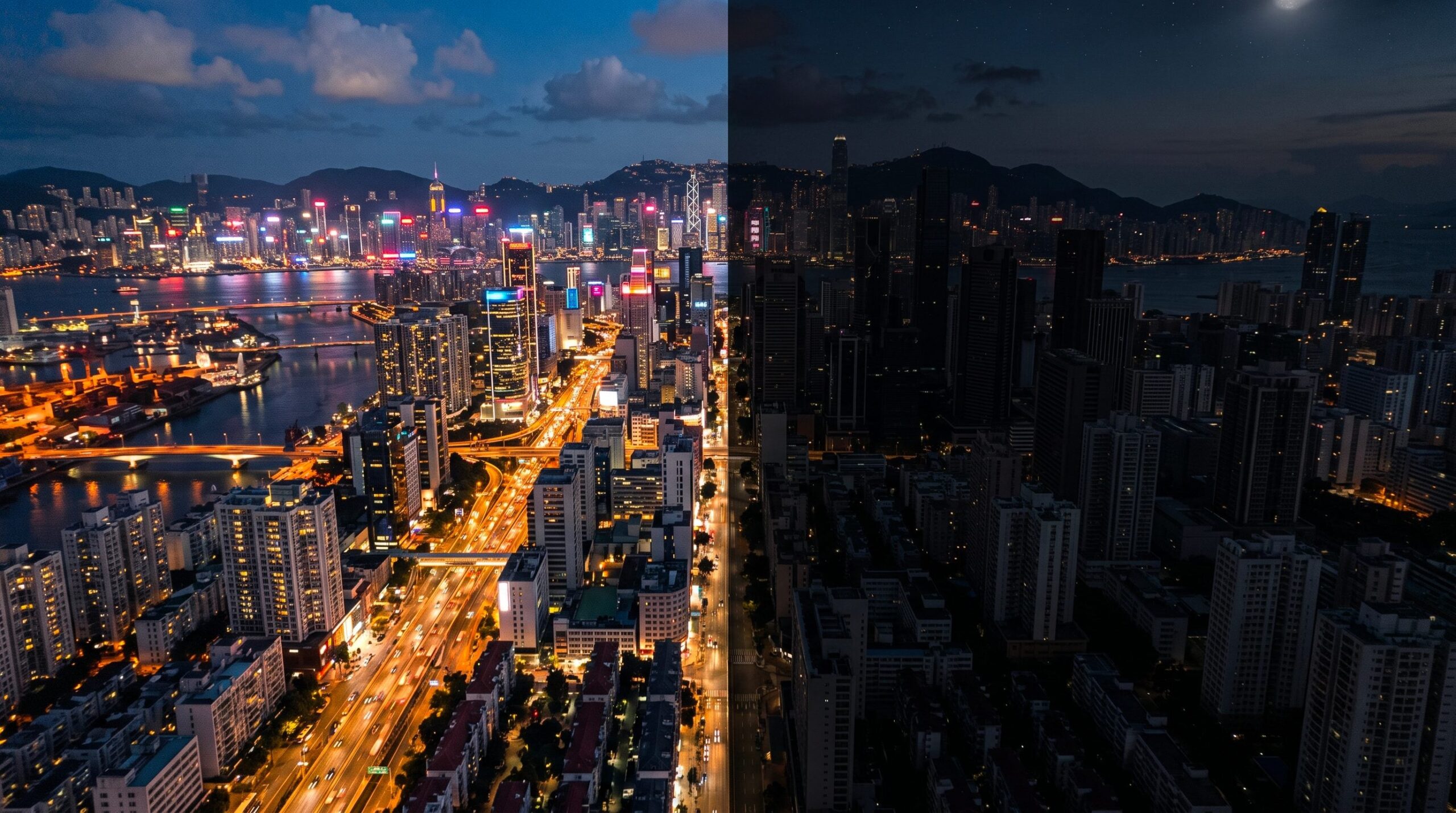
The intense heat wave which is affecting a large part of the European continent, associated with the marked increase in demand for electricity due to the widespread use of air conditioning systemsis subjecting power grids to operating conditions particularly burdensome. In recent weeks, localized blackout events, i.e. temporary interruptions in electricity supply, have occurred in several Italian cities. Even though these are, in most cases, inefficiencies short duration, these episodes highlight the critical issues of the electricity distribution networks which, during periods characterized by exceptional peaks in demand, can operate close to their own capacity limitswith a consequent increase in the risks of broken down or interruptions of the service. The question that many ask is simple: why during heat waves blackouts are more frequent? The answer involves several phenomena that act simultaneously, both on a physical and infrastructural level.
What are the causes of blackouts?
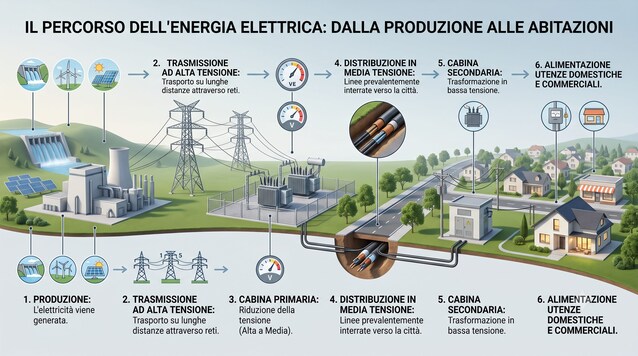
To understand the causes, it is useful to remember, in a nutshell, the path that electricity takes to reach our homes. After being produced, electricity is transported long distances through high voltage transmission networks up to the primary substations, where the voltage is reduced to the levels of distribution network (medium voltage). From here, via mainly underground lines, the electricity reaches the secondary cabins which transform it into low voltageto power domestic and commercial users.
During a heat wave, cables and other network components operate in particularly harsh conditions. The passage of electric current generates losses due to the Joule effect, which manifest themselves in the form of thermal energy. Under ordinary environmental conditions, this heat is effectively dissipated to the outside, allowing the equipment to work within its design limits. When, however, the air or ground temperature is already very high, the dissipation capacity is reduced and the components quickly reach theirs thermal limits. To avoid permanent damage to the equipment, i automatic protection systemswhich can temporarily disconnect a portion of the network, causing a localized blackout. Nonetheless, the thermal expansion of materials and excessive overheating components can sometimes cause deformations, cracks or failurescompromising the integrity of infrastructure. In these cases, restoring service requires the intervention of technical personnel to repair or replace the damaged equipment.
Added to this phenomenon is a second determining factor: the significant increase from the request of electricity. In fact, on the hottest days, the use of air conditioners, ventilation systems and reversible heat pumps increases, determining load peaks particularly high, especially in the central hours of the day. The increase in the current flowing through the lines further accentuates the losses due to the Joule effect and the consequent heating of cables and transformers, reducing the carrying capacity and increasing the risk of overloading. Even in this case, protective devices can intervene to preserve the integrity of the infrastructure.
In most cases, the problem is not with national electricity production or transmission capacity, but with local distribution networkwhich represents themost vulnerable link of the entire electrical system. Much of the medium and low voltage infrastructure has been designed in a context characterized by significantly lower consumptionby a lower degree of electrification and by predominantly unidirectional energy flows, from large power plants to final consumers. In recent decades the scenario has changed profoundly changed. The growing diffusion of air conditioning and distributed generation has led to a significant increase in loads and much more complex network management than in the past. Suffice it to say that the annual consumption of electricity in Italy has gone from approx 115 TWh (terawatt hours) in the early 1970s and beyond 300 TWh in recent years. In urban contexts with high population density, where energy demand is highly concentrated, these critical issues are even more evident, making distribution networks more exposed to load peaks and the effects of external temperatures.
Which countries are most affected: the increase in electricity demand
Heat waves not only represent a threat to public health, but also lead to a significant increase in demand for electricity, mainly due to the greater use of air conditioning systems. To quantify this phenomenon, analysts at The Market appears they examined five years of electricity consumption datathe meteorological conditions and the population of the main countries of the world, with the aim of evaluating to what extent heat waves and the growing use of air conditioning systems affect energy needs. The study examined 85 countriesresponsible overall for approximately 90% of global electricity consumption, comparing the electricity demand recorded during 10% of the warmest months of each country with that observed in periods characterized by temperatures close to climatic average.
The results show that the sharpest increases in electricity demand during heat waves are recorded in Greece, Montenegro, Türkiye, China And Mexico. Among these, Greece occupies first place, with an average increase in electricity demand equal to 38.6% in periods characterized by exceptionally high temperatures. These increases represent an important stress factor for electrical infrastructures, which are called upon to support loads significantly higher than normal operating conditions.
China is also among the countries in which high temperatures cause a significant increase in energy demand, with possible repercussions onreliability of the electricity grid. A study focused on this aspect, which analyzed the impact of heat waves on the continuity of the electricity service in the country. The results highlight that episodes of extreme heat lead to an increase in the frequency of power outages between 3.9% and the 4%while their duration increases from 7.9% to8.3%. The projections developed by the researchers indicate that, in the absence of adequate interventions to adapt and strengthen the electricity infrastructure, the number of power outages in China could even increase from 5.2% al 12% ewithin the 2030 and from 7.4% al 20.3% by 2050.
What measures can be taken
Blackouts associated with heat waves are not inevitable, but they can be significant mitigated through an integrated strategy that involves institutions, regulatory authorities, local administrations and operators of the entire electricity supply chain. Next to the enhancement and to modernization of infrastructuretakes on an increasingly important role demand management of electricity. Favor one greater flexibility of consumptionby modulating or temporarily postponing non-essential ones during peak load hours, would allow for attenuate peaks in demand and reduce the risk of network overloads. This is accompanied by energy efficiency interventions and awareness campaigns aimed at citizens and businesses, with the aim of promoting a more conscious use of electricity in periods characterized by particularly high temperatures. The integration of these measures represents one of the main levers for strengthening the resilience of the electricity system, making it more capable of dealing with extreme meteorological effects which, in a historical context of climate change, are destined to become increasingly frequent and intense.
How blackouts affect health conditions: the University of Michigan study
When a power outage occurs during a heat wave, the risk to the Health of the population may increase significantly. In fact, in the absence of electricity, essential systems such as the air conditioning of buildings fail, with the consequent rapid increase in temperatures in internal environments. Under these conditions, combined exposure to extreme heat, both outdoors and indoors, can reach critical levels.
This dynamic was analyzed in a study conducted by researchers from Georgia Institute of Technology and of theUniversity of Michiganwho developed a model to assess the risk of exposure to extreme heat in scenarios characterized by the concomitance of heat waves and electricity blackouts. The simulation involved approx 2.8 millions of residents of three large US urban areas – Atlanta, Detroit And Phoenix – representative of different climatic and infrastructural conditions. The results show that, in the presence of these combined events, a share between 68% and the 100% of the urban population could be exposed to a high risk of related diseases al heatincluding heat stroke, highlighting how the resilience of electricity infrastructure represents a fundamental element for protecting public health in an increasingly warm climate.
