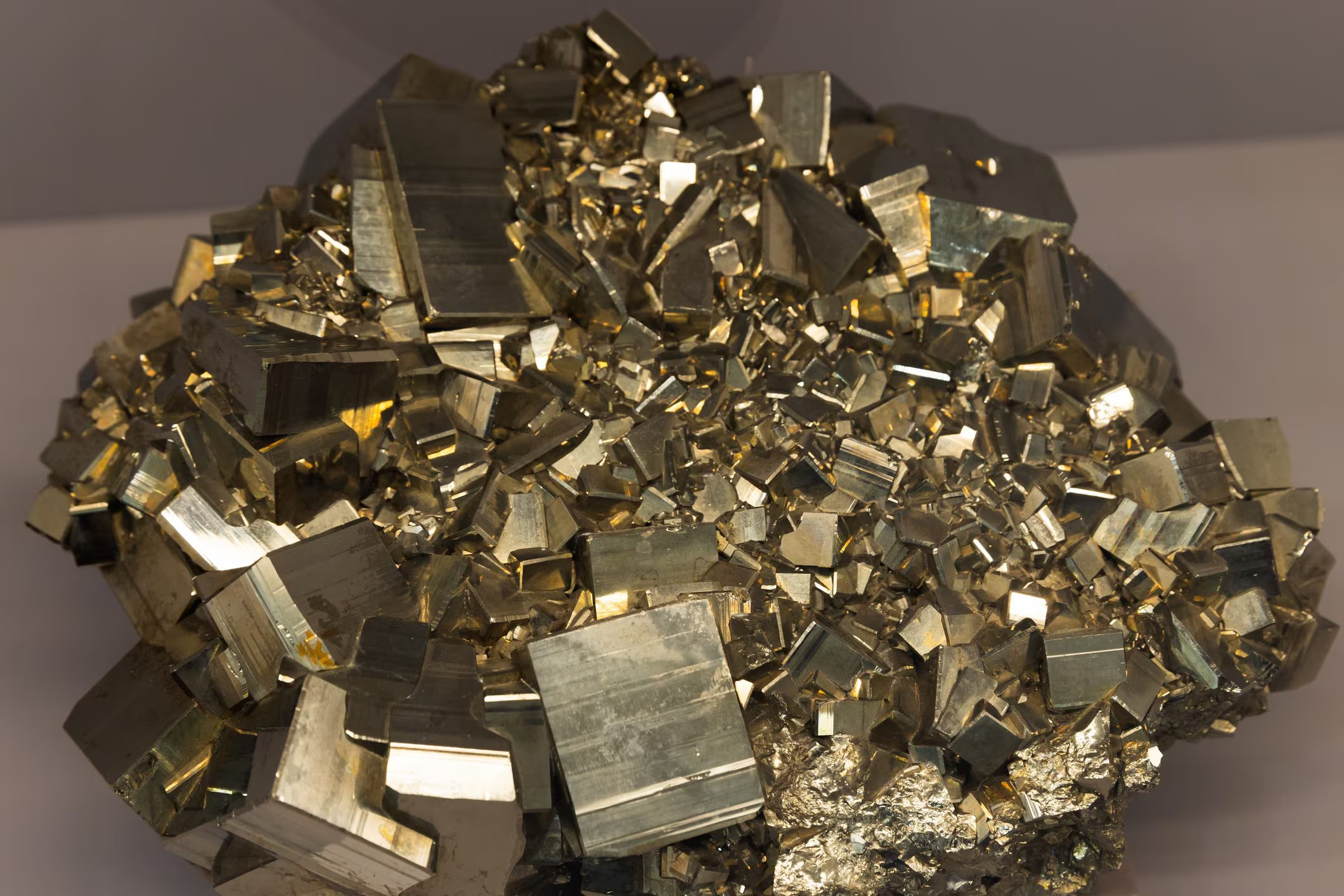
Analyzing 15 samples of sedimentary rocks, researchers at West Virginia University found that up to 54% of the lithium present was associated with the pyrite-containing fraction. The preliminary results could open new perspectives for research and energy transition.
A group of researchers from West Virginia University has identified a possibility new source of lithium in organic shales, sedimentary rocks in which an unexpected association between this metal and pyrite was discovered. In some samples analyzed, up to 54% of total lithium was recovered from the pyrite-associated fraction. The discovery, still to be explored, could open new perspectives for the research and extraction of a fundamental raw material for the energy transition.
Why lithium is so important and where is it extracted from?
The lithium it is one of the primary critical and strategic resources, as well as one of the pillars on which the current system is based energy transition. Today it is in fact the essential component for the functioning of electronic devices such as smartphonesdigital cameras and laptops, as well as the primary resource for the construction of car batteries and others electric vehiclesand large-scale energy storage systems. The global demand for lithium is therefore continuously growing and scientists are constantly looking for new sources for its extraction.
To date, lithium is mainly mined from pegmatitic rocksi.e. intrusive igneous rocks with crystals larger than one centimeter, where it is contained within minerals such as Spodumenethe Lepidolite and the Petalite. A second source of lithium is represented by brineaqueous solutions with a high content of dissolved salts, present beneath large salt lakes and salares, such as those of the so-calledLithium Triangle“, between Chile, Argentina and Bolivia. Saline brine is also found in geothermal deposits at great depths underground, such as those of the Rhine Graben, on the border between Germany And France.
The discovery in fool’s gold: organic clay rocks
As recounted in the study, researchers at West Virginia University may have identified one new source of lithium: the schists (or shale) organic, very fine-grained sedimentary rocks, consisting mainly of clay minerals and matter organic. In particular, scientists analyzed 15 samples of Devonian-age shales, formed approximately 380 million years agoapplying a sequential chemical extraction procedure to quantify the concentration of lithium within organic matter and some secondary mineral phases, including carbonatesThe iron hydroxides and of manganeseand the pyrite. This last mineral is a iron sulfide (FeS₂) formed by bacterial action in oxygen-free environment and is often known as “fool’s gold” due to its metallic shine and color that vaguely resembles that of gold.
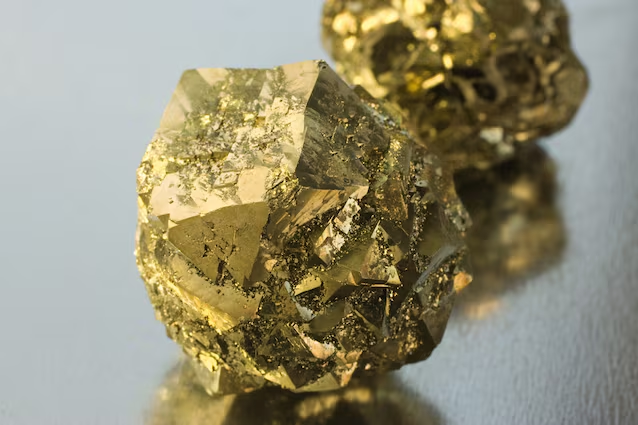
The results highlighted a positive correlation between the pyrite content and the percentage of lithium recovered, with samples in which up to 54% of total lithium it was extracted precisely from the fraction associated with pyrite. The data therefore suggests that this mineral may play an important role, currently little known, in the accumulation of lithium within clay shales.
The research is still in its infancy and further analyzes will be necessary to clarify the issue mechanism responsible for lithium enrichment by pyrite. Nonetheless, the first hypotheses point to a thermal transformation processin which lithium would be released from clay minerals during sediment burial and exposure to higher temperatures. Once mobilized, this would have been incorporated into the formation reactions of pyrite or other related minerals, such as lithium sulfide. If confirmed, this discovery could open up new prospects for the exploration of lithium resources. Clayey shales, in fact, are among the most widespread sedimentary rocks in the earth’s crust.
