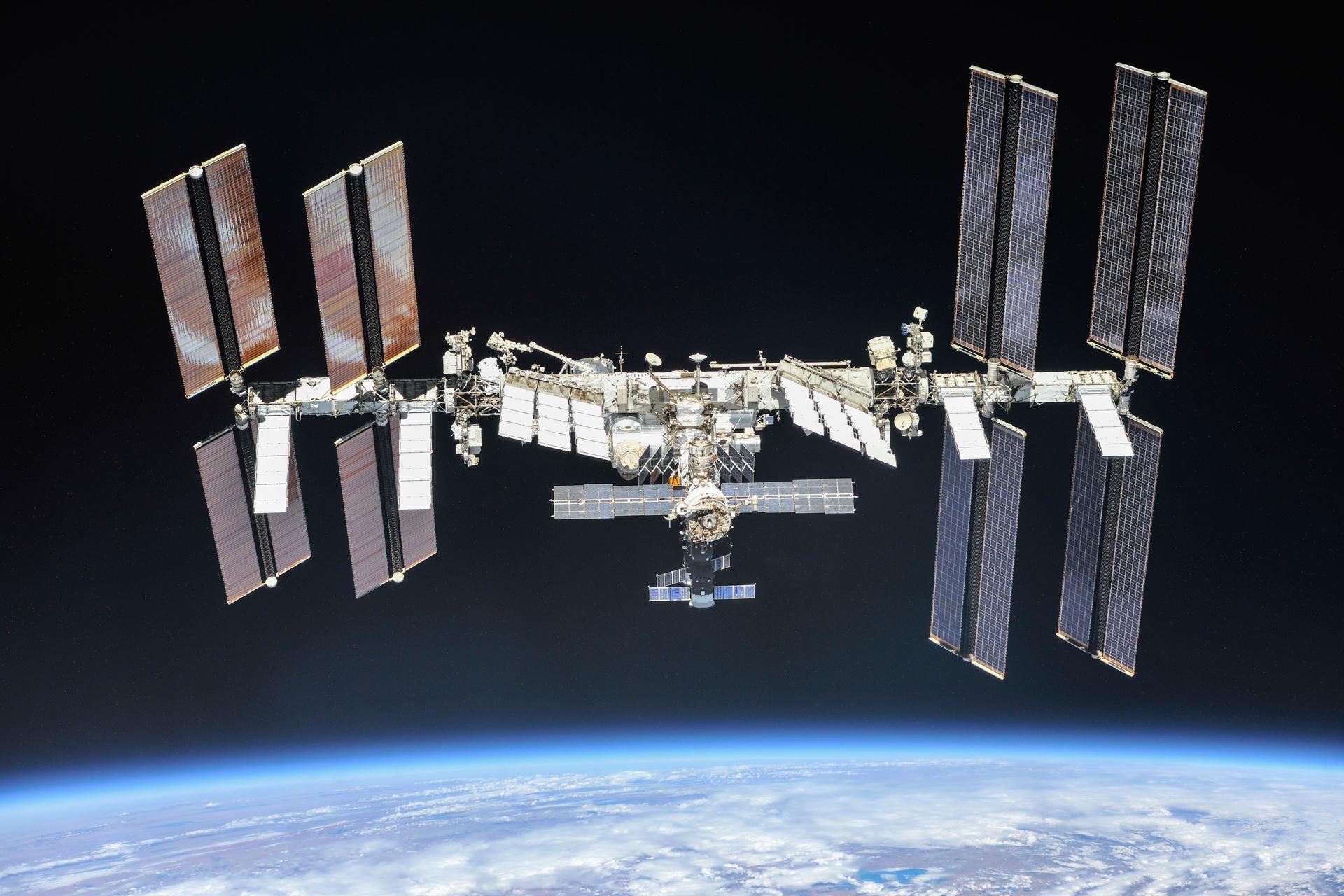
There NASA he ordered four astronauts aboard the International Space Station to remain sheltered in the Crew Dragon spacecraft and prepare for a possible evacuation, because of one air leak worsened in Russian form Zvezda: at the moment, the alarm went away and the crew returned inside the station.
The astronauts had been ordered to don spacesuits in case the air leak made an emergency evacuation necessary: as reported by NASA spokesperson, Bethany Stevens, in a post on
At the moment, however, it is not yet clear whether the damage could cause further problems: the Russian module, however, has been experiencing critical issues for some time, requiring operational mitigation measures and periodic partial repair efforts.
What we know about the air leak in the Russian module
The four astronauts of Crew-12 mission from NASA (two Americans, a French astronaut and a Russian cosmonaut) received the order to enter the Crew Dragon capsule at around 3.04pm today, Friday 5 June. NASA spokeswoman Bethany Stevens specified that the transfer tunnel of the service module Zvezda (also known as PrK), has been experiencing cracking and leaking problems for some time, which have been mitigated by Roscosmos (the Russian Space Agency) as much as possible to date.
However, following new losses, Roscosmos decided to proceed with a repair operation more extensive and, out of an abundance of caution, NASA has therefore ordered all four members of the Crew-12 mission to take high safety precautions inside the Dragon spacecraft while repair operations are underway. The mission, launched last February 13, is made up of NASA astronauts Jessica Meir And Jack Hathawayby the ESA astronaut Sophie Adenot and by the Roscosmos cosmonaut Andrey Fedyaev. They were also joined by NASA astronaut Chris Williams, who reached the ISS in November 2025.
At 5pm Italian time, Stevens confirmed that Roscosmos has suspended structural repair work inside the transfer tunnel, while they are being evaluated further measurements and data. NASA then allowed the crew members to return to planned operations aboard the International Space Station.
The problem with the Zvezda module is not new
This air leak in the Russian module Zvezda it is not an isolated event: as mentioned, the cracks in the transfer tunnel have always been a cause for concern carefully monitored by NASA, which together with Roscosmos has worked to identify the root cause of the problem, managed by the Russian side with operational containment measures and periodic partial repairs. The astronauts had managed to contain the leak in recent times, but in recent days the situation has worsened, going from approx half a kilo of air lost per day at almost a kilo.
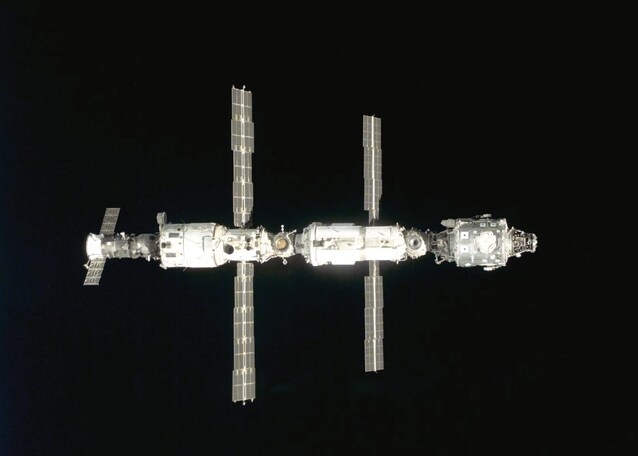
NASA and Roscomos, the main operators and sponsors of the station, have been arguing for months about the causes and consequences possible definitive solutions of air leaks in the module, which represents a key structure of the orbiting station (as a whole the size of a football field).
In particular, the first micro-fractures in Zvezda they would have been detected for the first time already in 2019 and, despite repeated attempts at repairs with tape, sealant and other solutions, the small cracks (along with other problems related to the difficulties of repairing infrastructure in orbit) contributed to the decision to retire the International Space Station around 2030.
