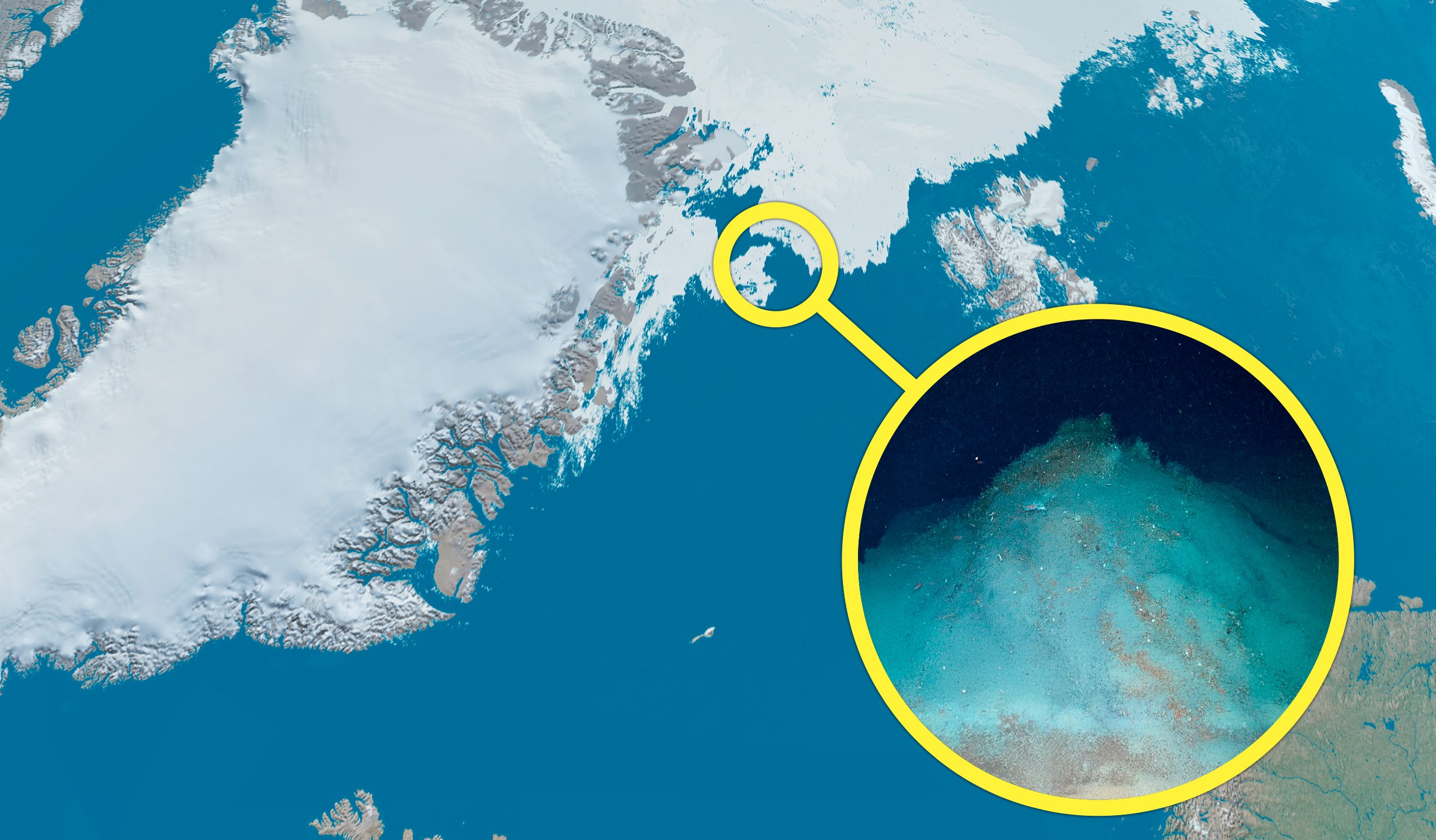
During the recent international research expedition Ocean Census Arctic Deep – EXTREME24were discovered on Molloy Ridgean underwater ridge in the Greenland Sea, the deepest gas hydrate emissions (mainly methane) known so far. They originate around 3640 m depths below sea level and are associated with conical deposits known as Freya Hydrate Mounds. The discovery published on Nature Communications is very important since gas hydrates constitute a potential energy resource and they had never been detected at such depths. Furthermore, these accumulations host a hitherto unknown ecosystemcapable of surviving in extreme environments.
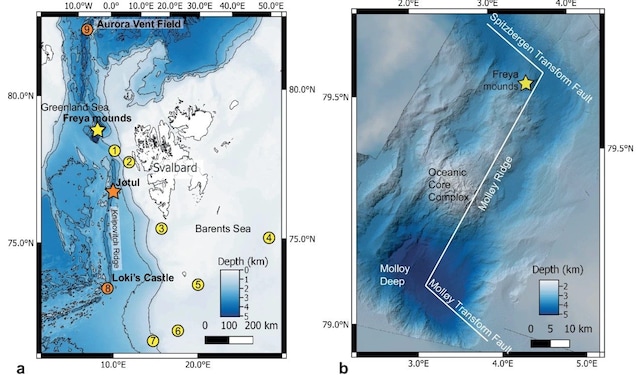
The discovery of gas hydrates and their ecosystem to be protected
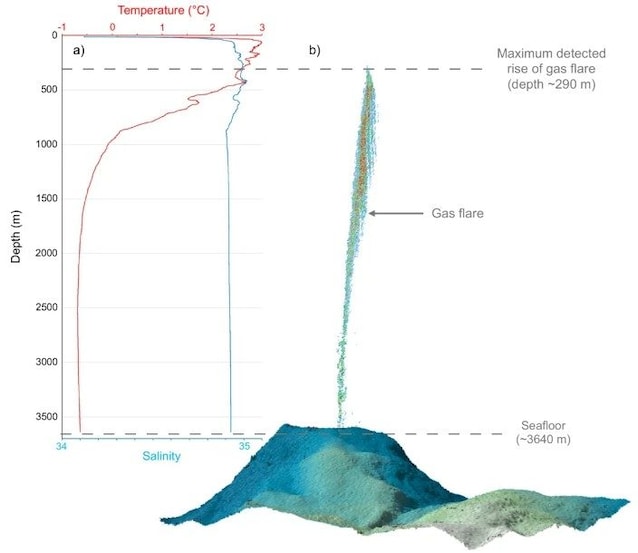
During the research expedition at Molloy Ridge they were detected two large columns made up of methane bubbleswhich rise respectivelynte 1770 m and 3355 m al above the seabed. A radio-controlled vehicle (ROV) was sent to locate the source of these emissions and documented accumulations of gas hydratesice-like crystalline solids that encompass methane. These areas of the seabed are known as cold seep (literally “cold infiltration”) and are places where cold fluids rich in hydrocarbons they infiltrate through the fractures until emerging from the seabed. Until now, this type of emissions had only been found on continental slopes depth not exceeding 2000 m below sea level.
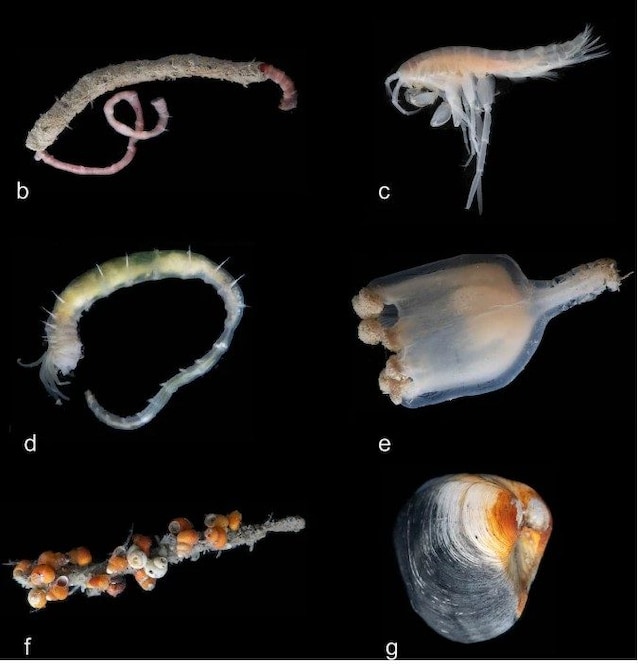
The case of the Freya Hydrate Mounds is exceptional not only for its depth and geographical position, but also for itsecosystem they host. This environment supports organisms that live in symbiosis with bacteria capable of converting inorganic compounds into nutrients (chemosynthesis), such as tube worms, bivalves and gastropods, particular snails and crustaceans. This fauna, unlike what was imagined, is very similar to that which characterizes Arctic hydrothermal vents. It was observed that i gas hydrate deposits they are not stable over timebut they evolve: they form, lose stability and collapse as a result of tectonic movements, heat flow and environmental changes.
What are gas hydrates and why are they important
Gas hydrates, made up of frozen water molecules that incorporate methane, constitute the largest natural gas reserve of the planet: it is estimated that more than 100,000 million billion cubic meters of methane are present on the seabed and in the permafrost. Hydrates originate in the pores of the sediments present along the continental slopeswhere the low temperaturethehigh pressure and the presence of organic matter they favor their formation. In these conditions the water solidifies, trapping gases that rise from greater depths. However, if the temperature rises or the pressure drops, the ice can melt and release methane in the form of bubbles which expand as they rise and, once on the surface, disperse into the atmosphere. Considering that methane is a much more potent greenhouse gas than carbon dioxide, the risk of its release constitutes a huge obstacle for extraction of this potential energy resource. Methane hydrates, which are “cleaner” than other fossil fuels, could play an important role as an energy source in the future, but currently there is a lack of adequate technologies capable of preventing its dispersion. Even the current one global warmingwhich is causing an increase in water temperatures, is capable of destabilizing the hydrates by releasing methane. In turn, methane in the atmosphere contributes to the increase in global temperatures: this is how it is triggered a real vicious circle.
