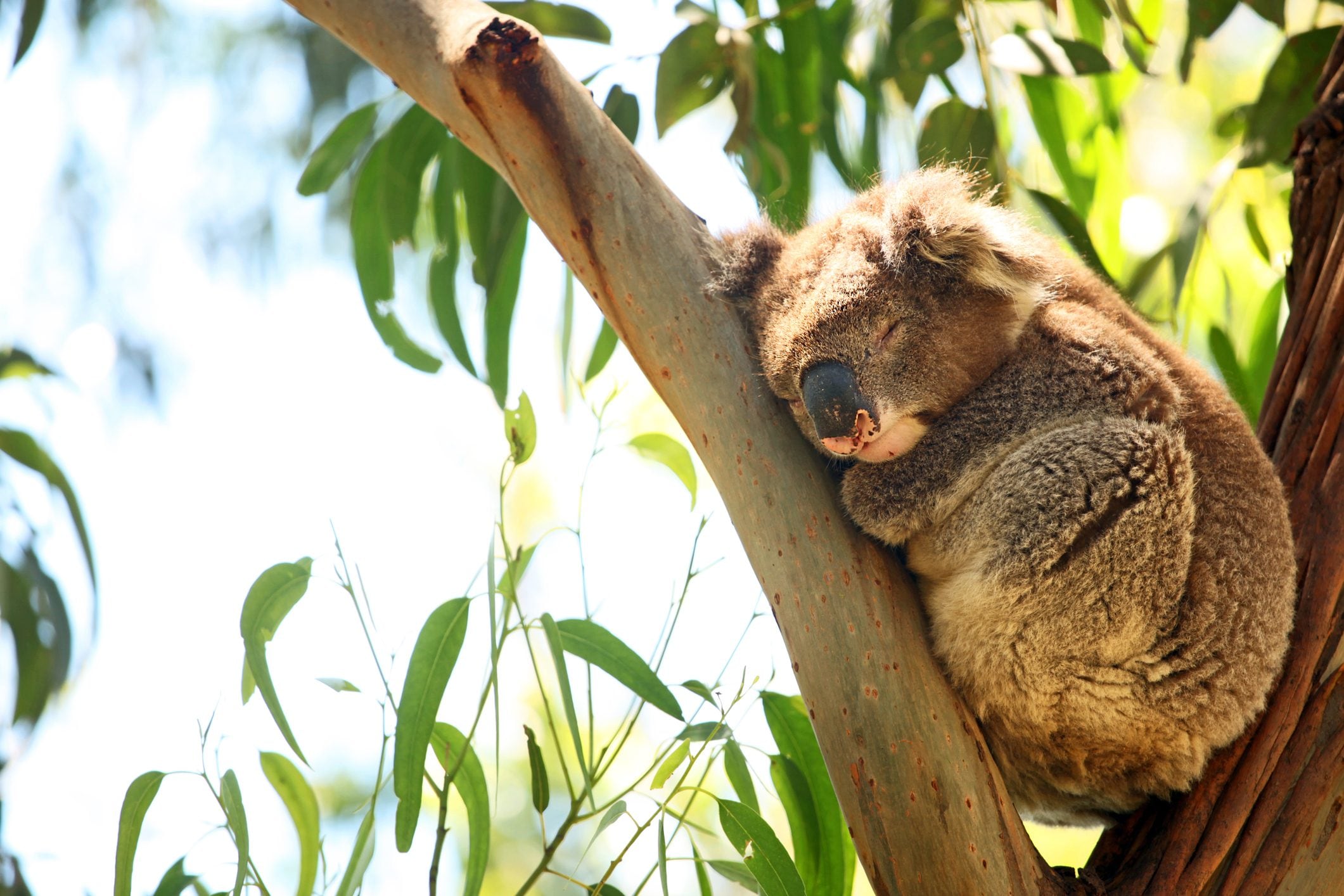
Which animals sleep the most? It seems like an easy question to answer – that would be enough measure the number of hours of sleep daily newspapers of each type and draw up a ranking of those that spend the most time sleeping. Instead the question is not that simple at all: Not all animals sleep the same way as humans, which makes it tricky to define what “sleep” means in the first place. New research on species considered more “sleepy”, such as the koala and the sloth, has also revealed how what is perceived as deep sleep is actually hours of inactivity not comparable to sleeping, making previous observations obsolete. Measure by electroencephalograms how much animal species sleep is theoretically possible, but for some time scientific research itself has no longer dealt with mere comparative studies between species, which present many problems in managing the experiments: nowadays researchers instead tend to concentrate on studies within the same species, to reveal the individual differences and neurophysiological mechanisms at the basis of their rest.
Animals that rest a lot but don’t really sleep
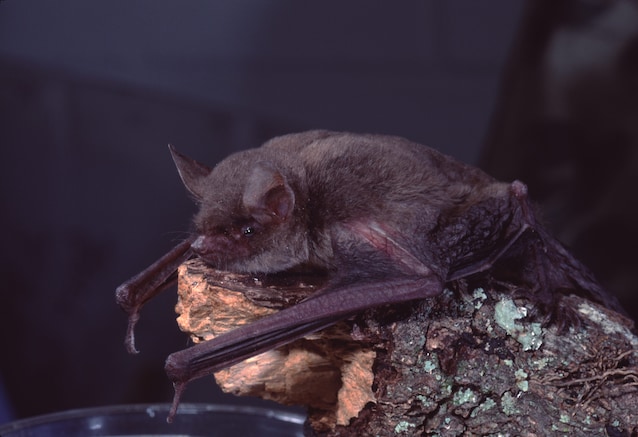
Until recently a top 5 of animals that sleep longest, come on 10pm to 6pmwould have contained the koala (phascolarctos cinereus), three-toed slothsthe bat brown vespertilio (Myotis lucifugus), thegiant armadillo (Priodontes maximus) and the python reticulated (Malayopython reticulatus), and it is still possible to find articles online that mention these animals in order. It is undeniable that these are animals that spend a lot of time resting, especially for reasons related to their own peculiar metabolism. Koalas, for example, feed exclusively on eucalyptus, a plant that is both low in energy and moderately toxic to other animals and which very few other animals consume. This adaptation allowed them to have an abundant source of sustenance without competing with other species, but at a cost very long periods of inactivity to allow their digestive systems to assimilate these low-nutrient foods. Sloths also have very slow metabolisms, spending a lot of time ingesting large amounts of food and even more time digesting them. The other species mentioned are typically nocturnal, with specialized diets and long digestion periods.
EEG measurements and modern animal sleep studies
However, we should not confuse hours of actual sleep with hours of simple inactivity. Statistics on the hours of sleep of these animals were in fact initially based on behavioral observations: if the animal is still and has its eyes closed, then we think it is sleeping, but this is not always the case. A simple period of rest, however long, is not the same as sleep as we are used to considering it, which is characterized by a loss of consciousness, alteration of brain waves and sometimes the presence of REM phase. In fact, to measure whether an animal is truly sleeping, it is necessary to use electrical measurements electroencephalograms (EEG) to check if there are the conditions to talk about “sleep” comparable to ours. Similar studies are very rare, logistically complicated, difficult to justify in terms of usefulness and ethically problematic: the electrodes must be placed on the animals for a very long time, in conditions similar to their natural environment, often making them uncomfortable.
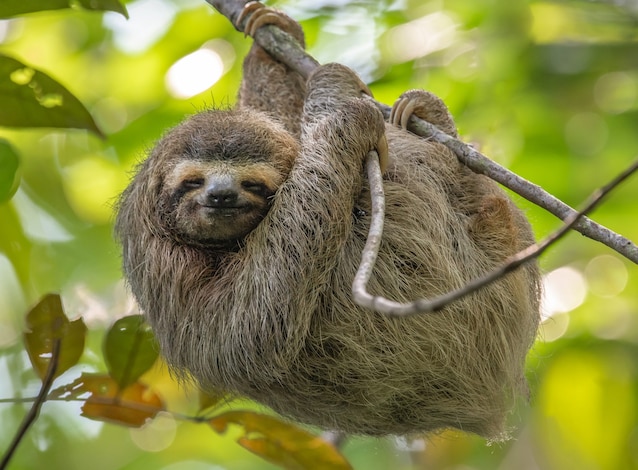
One of the few studies of this type (Ecology and neurophysiology of sleep in two wild sloth species) was carried out in 2014 on two sloth species, observed with EEG measurements throughout the day. And contrary to the 20 hours of sleep per day usually quoted for these animals, the EEGs told a different story: Sloths would actually sleep just 9-10 hours a daywhile the remaining hours are simple inactivity. As regards the brown bat, studies in the 60s and 70s measured a duration of around 20 hours in a few specimens via EEG, but more recent studies, such as that of Dr. Harding published in 2022 in the journal Sleep, have questioned this result as representative of the entire species and instead point out that there is one high individual variability in the hours of “true sleep” experienced by bats.
And koalas? For the presumed leaders of the ranking of the sleepiest animals, field EEG measurements are completely lackingwhich have never been carried out in these animals, making it impossible so far to state exactly how many hours a day they sleep.
Modern studies on sleep in animals have therefore brought to light the vast complexity and variability of this behavior – there are species that sleep for many hours, others that “never sleep” and that rest in a sort of half-sleep. Deep sleep similar to ours was, for example, until recently considered a prerogative of mammals, but instead seems to be much more widespread at various levels of the animal kingdom. For this reason, scientists today tend to ignore simple comparative measurements between species in terms of hours, and are instead analyzing in detail the ways in which a species sleeps, to bring to light the neurophysiological mechanisms the basis of sleep and rest.
