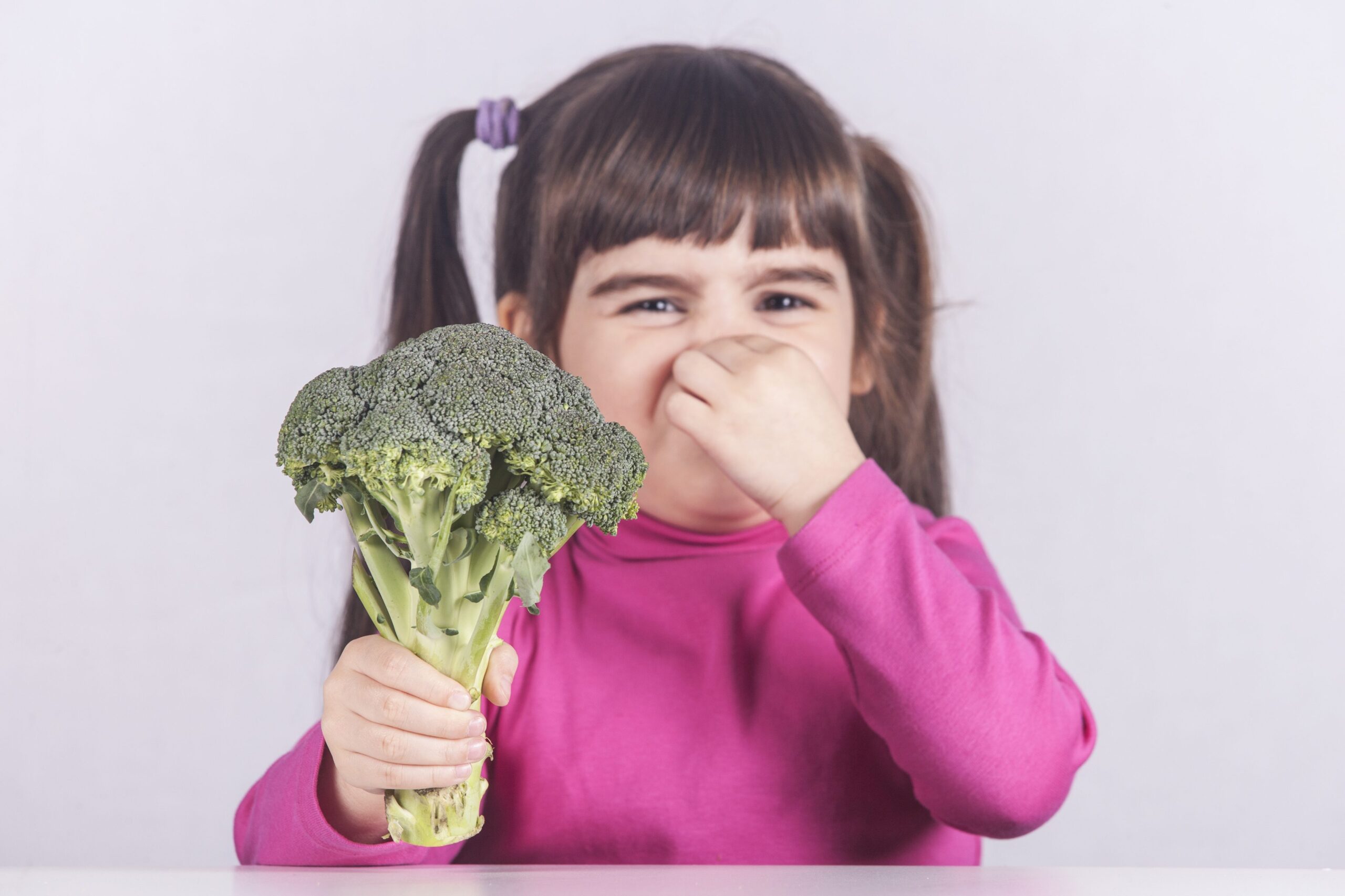
Broccoli, cabbage, cabbage, all belonging to the Brassicaceae family, are much appreciated both in the kitchen and for their nutritional properties, but everyone fears the moment of cooking, thinking of that typical bad smell that will develop. These plants contain in the tissues, especially at the level of the leaves and of inflorescences (a grouping of several flowers arranged around the same axis), a class of organic molecules rich in sulphur, the glucosinolates. In themselves they are odorlessbut when boiling broccoli, the high temperature breaks specific chemical bonds, releasing volatile, smelly molecules, The isothiocyanates (ITC) that contain sulfur groupscausing the bad odors produced during cooking. Short cooking timesby steam or in the microwave, reduce the formation of these compounds, also making our kitchen less smelly.
The smell of broccoli is a defense mechanism
The Brassicaceae, also called Cruciferous, represent a family of herbaceous plants that includes 225 genera and over 2,500 species: none are poisonous and many are edible. In all tissues of the plant and, in particular at the level of leaves and of inflorescencescells accumulate organic compounds, called glucosinolates which, in the event of attack by foreign agents such as herbivorous animals, defoliating insects, fungi or bacteria, are degraded into secondary products with toxic effects on pathogenic or herbivorous organisms. It is therefore a plant defense mechanism. When a predator tears leaves to eat them, the glucosinolates come into contact with an enzyme called myrosinase which, thanks to a hydrolysis process, “breaks” these glucosinates generating sulfur-based compounds. The reaction generates smaller molecules, such as sulfides and isothiocyanates (ITC), toxic to parasites that eat the leaves of Brassicaceae.
Even high temperature treatment, i.e cookingpromotes this degradation by producing the “stinky” sulfur-containing molecules: they are molecules very volatilethat is, they evaporate easily already at room temperature and are dispersed in the environment, “plaguing” our kitchen.
One of the most interesting for research in recent years is the sulforaphanewhich appears to have anticancer properties, as indicated in a 2006 study published in the journal The Annual Review of Plant Biology. However, it is still a question of studies in vitrothat is, on single cells in the laboratory: the road to confirming these results in humans is still long.
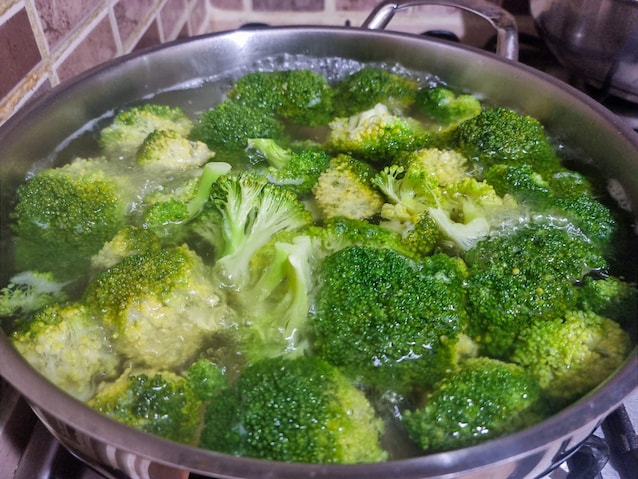
How to cook broccoli without making it stink and how to store it
The stink problem of broccoli and all cruciferous vegetables has been the subject of much research. First of all, scientific studies have shown that the development of the typical stench depends on a variety of factors: type of vegetable, method of domestic preparation, possible freezing and type of packaging. For example Brussels sprouts frozen contain a lower percentage of ITC than the fresh product. Packaging packaging materials can also affect the flavor compounds found in broccoli. Cabbages and sprouts packed in oriented polypropylene (the so-called OPP used to produce transparent bags) have a increase in unpleasant odors; while conservation in two other types of plastic materials, the low density polyethylene (low density polyethylene, LDPE) and the polyvinyl chloride (PVC), maintains stable the concentration of isothiocyanates during storage.
Since they are not subjected to cooking, which increases the concentration of “smelly” compounds, the fresh vegetables smell less than cooked ones! As regards cooking, however, according to Australian research, short cooking times like quick steaming (about 3 minutes) or to microwave they reduce the production of smelly sulfur products. Another curiosity: frying these vegetables does not cause a significant decrease in the ITC content.
