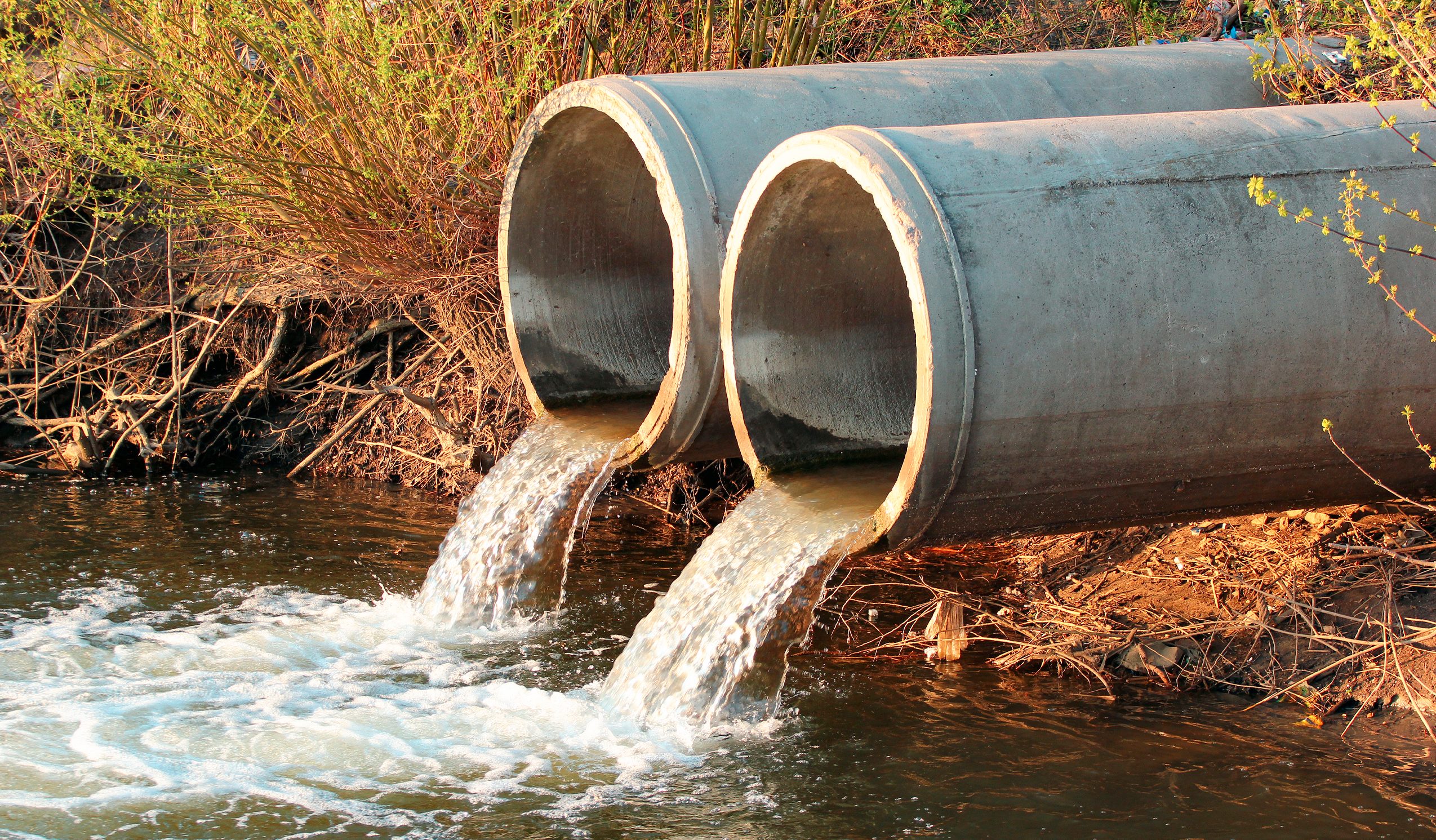
Both in everyday language and insanitary engineeringthe distinction between white waters And black water represents the fundamental pillar of urban water management. This classification it does not refer to the visible color of the water but it is based onorigin of the wastewater and on his polluting load: white water comes from rain or not very polluted wastewater, while black water has a high degree of contamination from organic or industrial residues. Proper source separation is essential for optimize purification processescontain energy costs and protect the environment.
White water and black water: the distinction
The differentiation between white and black water responds to a logistical and economic need: to avoid oversizing purification plants and prevent the waste of resources in the treatment of slightly contaminated water. In the technical field the distinction is made based on the polluting load. As you can guess from the name, le black water they are the most polluted type of wastewater. On the other hand, the white waters instead they have a much lower level of contamination and this directly affects the treatment modalities and on management costs sewage systems and treatment plants.
The white waters
They mainly consist of rainwater and drainage which have not come into contact with domestic or industrial waste. For example, rainwater from roofs, terraces, squares and streets, surface drainage water or water from public fountains are considered white water. They present a low organic loadbut they can carry pollutants collected during the washout (sand, oils, tire residues). In particular, the first rain waters – which are initially the most polluted in the category – often require oil removal treatments before discharge into receiving water bodies.
This water is conveyed into dedicated networks or canals. If the network only collects these waters, it is called separate sewage system. If, however, the reception system also includes the removal of sewage, it is called unitary or mixed sewerage.
The black waters
They represent the type of wastewater a higher environmental impact. These are characterized by a high content of organic substances, pathogenic microorganisms and chemical compounds. A further ramification of this typology allows us to distinguish between:
- Black/brown waters, that is, those coming exclusively from the toilets (WC);
- Gray water, i.e. those deriving from kitchens, sinks, showers and washing machines (loaded with fats and surfactants);
- Waters from industrial waste, i.e. wastewater deriving from production processes. It is essential to underline that these mandatorily require a specific pre-treatment (chemical-physical or internal biological) before being released into the public sewer system, in order to respect the limits set by Legislative Decree 152/2006.
Black water requires a mandatory passage in biological purification plants for the reduction of the BOD load5COD and nutrients, which represent an indirect measure of the biodegradable organic load (BOD5) and of the totality of oxidizable substances (COD) present in the water.
The separation of the waters
The separation into separate networks (mandatory according to the Legislative Decree 152/2006) allows you to reduce the volumes to be treated in purification plants, simultaneously limiting energy consumption and improving the resilience of sewage systems in the event of intense meteorological events. Furthermore, this separation favors the reuse of less contaminated water. In the context of ecological transition and climate adaptation, this distinction takes on an increasingly strategic role, especially in complex urban systems.
What is meant by “wastewater” and what are the treatment processes
With the deadline waste water (or waste water) means all those waters whose quality has been altered by human action, making them unsuitable for direct use or, in the most serious cases, potentially harmful to the ecosystem. According to current legislation, we can distinguish different types of “contaminated” water:
- Domestic wastewaterderiving from residential activities and activities of the individual human being.
- Industrial wastewatercoming from commercial or productive activities (other than domestic and meteoric).
- Rainwater runoffresulting from atmospheric precipitation.
The purpose of their treatment is twofold: to guarantee public health and to preserve the chemical-physical state of the animals receiving water bodies (i.e. rivers, lakes, seas), in line with national and European sustainable development principles.
