In 2013, a team of geologists discovered stagnant water between the fractures of some rocks that would have up to 2.6 million years ancient, that is, since the Precambrian. The discovery was made in the Canadian mine of Kidd Creek almost 2.8 kilometers deep.
According to an article published in Naturethe case involved water that remained in a liquid state under conditions of chemical stress in the underground. It was located through mining tunnels excavated in the earth’s crust.
Underground environments are extremely stable. While surface systems are constantly replenished by precipitation and river flows, water in fractures can remain isolated for millions of years.
How was the age of the water determined?
Geologists took geochemistry as a basis. The noble gases dissolved in underground fluids were analyzed, such as heliumhe neonhe argon and the xenon. From the chemical fingerprints, it was estimated that the liquid remained sealed underground for hundreds of millions and even billions of years.
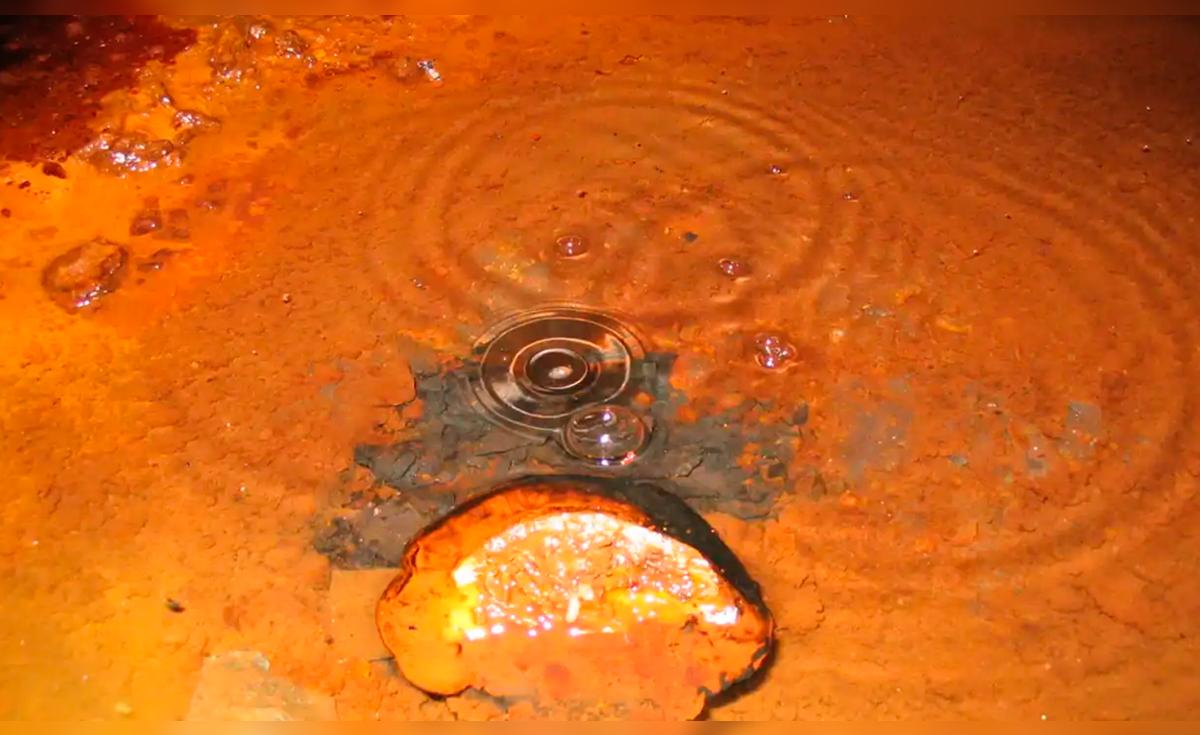
The sample obtained by the scientists housed an ecosystem of microorganisms. Photo: University of Toronto
In another study carried out in the University of Torontoit was discovered that some samples could be more than 2 billion years old, which would make them some of the oldest ever extracted from Earth.
What did the stagnant water contain?
The experts found an ecosystem of bacteria and microbes who have managed to survive far from the surface. The microscopic creatures have adapted to the conditions of the place: they breathe sulfur instead of oxygen and live on chemicals present in the walls of the deposit, according to experts in a study.
‘Likewise, somewhere like Mars, any life that formed could have found its way to similar pockets of water in the Martian crust, and our work shows that these pockets of water can survive and provide a place for life to survive long after extinction. The surface of Mars lost its water and became sterile,’ explained Chris Ballentine, professor of geochemistry at the University of Manchester in the United Kingdom.
