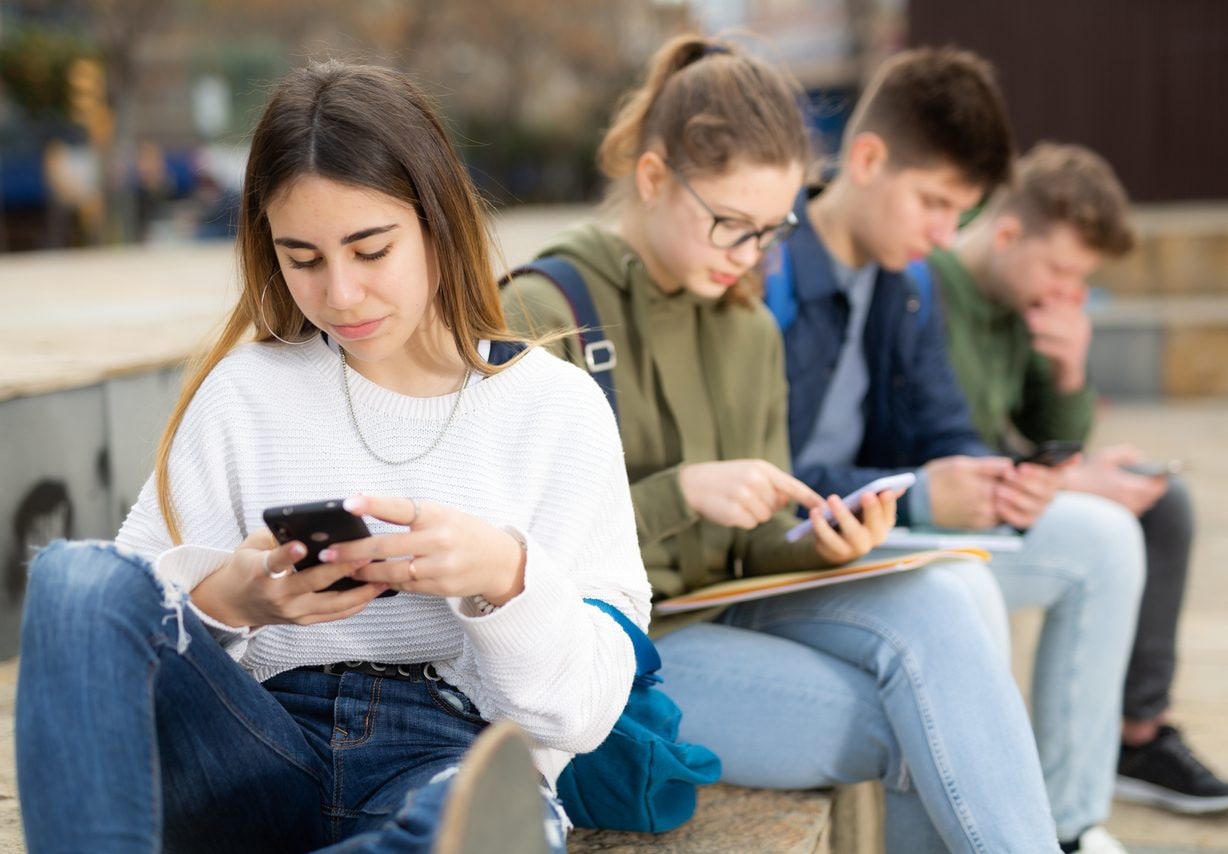
In Australia it is illegal to use social networks for anyone under the age of 16. It is the first “ban” of this type in the world: an unprecedented decision carefully observed by governments and regulators around the world, which some teenagers have already resorted to. The aim of the law, which came into force today, Wednesday 10 December 2025aims to reduce exposure to harmful content among young people. The Canberra government states, in fact, that it wants to mitigate the negative impact of the «social media design features that encourage (young people) to spend more time in front of screens, while providing content that can harm their health and well-being». In this study we will analyze them more closely motivations behind the legislation, which does not punish minors but places the burden of verifying the age of users on the platforms. We will also see what the main ones are doubts about the feasibility of the thingsuch as those relating to privacy risks, the possibility of evading controls via VPN or fake accounts and the limited coverage of the measure.
Because Australia has banned social media for children under 16
To understand the reasons behind the law in Australia that bans the use of social media by under-16swe mention a study by Age Assurance Technology Trial commissioned in early 2025 according to which 96% of young people aged between 10 and 15 used social media and that 7 out of 10 of them had been exposed to harmful content, including misogynistic, violent content, content promoting eating disorders and even suicide. In 1 in 7 cases, dangerous situations were revealed, such as solicitation by adults, and at least 5 in 10 users among those participating in the study were victims of cyberbullying.
Faced with such a worrying picture, the executive has introduced a minimum age threshold which, technically, does not represent a ban for minors, given that it does not provide sanctions for them or their parents: rather it is a obligation imposed on platforms who provide these online services to take realistic measures to keep under 16s out of their ecosystems. Regarding the latter, all those that satisfy three conditions fall within the scope of the provision:
- Allow social interactions between users.
- Allow connections or mutual visibility.
- Offer the possibility of publish content.
This is the list of platforms identified as unusable social networks from under 16s by the eSafety Commissionerthe independent Australian Government agency responsible for regulating online safety:
Services that are not primarily based on sociality are excluded (for example YouTube Kids, Google Classroom or “pure” messaging apps), but also some clearly social platforms, such as LinkedIn (the latter excluded, most likely, due to the fact that it is used mainly by professionals and workers in general). It must also be said, however, that hybrid platforms, those that combine messaging and social functions (see WhatsApp and Telegram) could easily fall within the definition of “social network” given that they have functions that lean towards the latter direction (like the State). Their absence from the Australian government’s “black list” could create an interpretative boundary that is not always clear and perfectly coherent.
Doubts about the feasibility of the Australian “social media ban”.
The big tech companies involved have welcomed the Australian law with a certain hostility. Some, like YouTubeclaim that they are not real “social networks” and say that the regulation could push young people towards unmonitored methods of use, for example by logging in without an account and thus losing security filters. Others, like Halfhave initiated processes to deactivate teen accounts, while recognizing that the entire ecosystem could prove inconsistent: kids could migrate to other services that are not currently under the Canberra government’s lens, or create accounts via VPNs and alternative identities.
The most significant criticisms, however, concern the privacy: Enforcing the age limit effectively requires huge amounts of data, including identity documents and biometric informationand in a country that has suffered major cybersecurity breaches in recent years the topic is quite sensitive. The government, in defending its position, argues that all information collected for age verification purposes will have to be destroyed after verification, with severe penalties for misuse. S
still on the subject of sanctions, have been raised doubts regarding the real usefulness of those inflicted on the platforms in case of any non-compliance. The former Facebook executive, Stephen Scheelerstated that «It takes Meta approximately one hour and 52 minutes to achieve sales of A$50 million». By virtue of this, what can act as a deterrent is to inflict the maximum sentence (49.5 million Australian dollarsthe equivalent of approximately 28.2 million euros) to such a giant?
Finally, there remains the crux of the real effectiveness of the measure. Critics believe that an approach based solely on restricting access is insufficient to mitigate risks and that more robust education programs would have a greater impact in the long run.
In any case, it will be interesting to see how the approach used by Australia can influence other countries. Just to name a couple, the Denmark announced its intention to ban social media for those under 15 and also the Norway is considering a similar solution. We will see.
