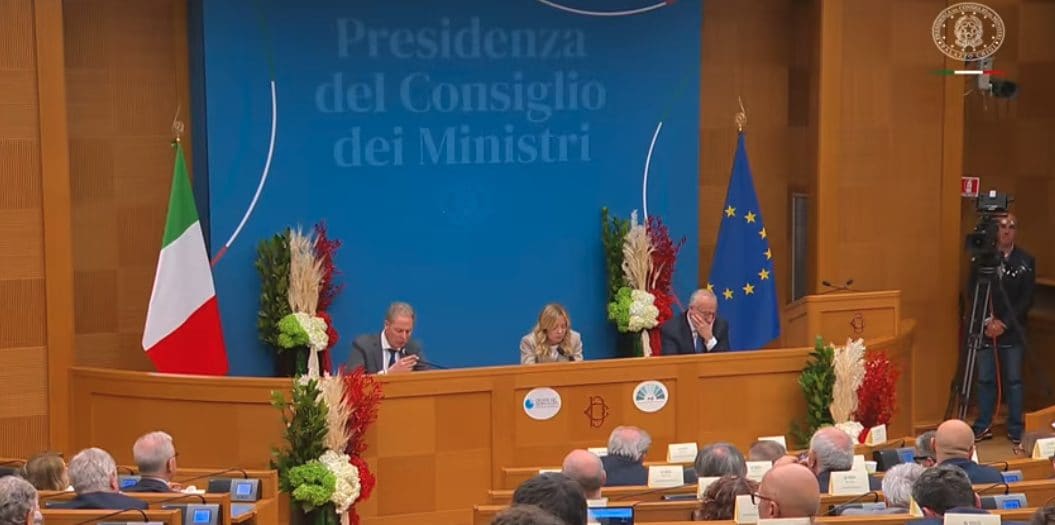
In the first press conference of 2026, the Prime Minister Giorgia Meloni spoke about banning the use of sparkling candles inside clubs and discos, due toCrans-Montana fire. In her speech, the Prime Minister underlined the need to:
Think about the possibility of banning indoors the use of sparkles on bottles to celebrate, which is however an element of danger. Since we are very skilled entrepreneurs, I imagine we can find a thousand other ways to celebrate and prevent a place from burning down.
The Prime Minister also highlighted how the measures were not immediately activated emergency procedures to evacuate the kids from the burning room:
«When the first videos came out I was very struck that some of these kids remained inside when there were already flames and I didn’t understand why. The smartest thing was said by one of the mothers, the music kept playing and having very young kids with a lower danger threshold than ours didn’t help: why wasn’t the music stopped? Why weren’t the kids told to come out? Why didn’t the mayor carry out checks…? There are too many whys that they have produced.”
But what is the current legislation that regulates the use of sparkling candles? Candles are considered at all pyrotechnic effectsaccording to the provisions of Legislative Decree 29 July 2015n. 123 (which transposes EU Directive 2013/29). Consequently, they can only be marketed if comply with precise safety requirements and must include instructions for use and safety distances.
Those who come authorized for internal useare considered a extremely low risk, precisely because they have predictable physical and chemical behavior and a low quantity of mixture present. Their risk, however, depends above all on rigorous compliance with the instructions, safety distances and context of use.
