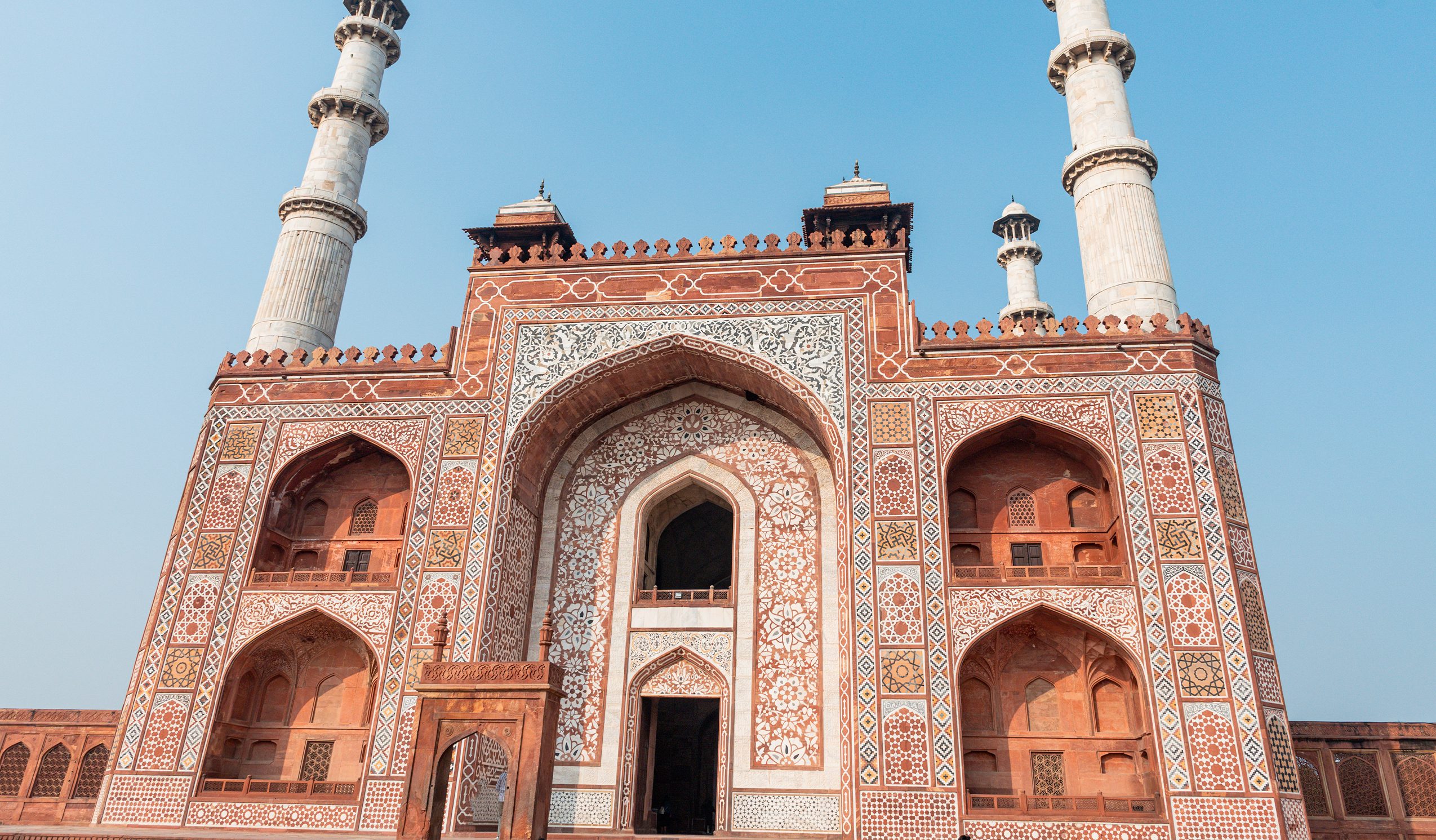
Imposing and solemn, the great doors of the past were not only functional access, but symbols of Power, protection and prestige. From the buildings to the basilicas, to the city walls, their grandeur served to impress, defend and facilitate the passage of wagons and soldiers, as well as guaranteeing light and air to internal environments. By monumental Bulland Darwaza in Indiaover 40 meters high, at bronze doors of Romeuntil the famous Babylon Ishtar dooreach great portal tells a story of civilization, religion and collective identity.
Huge doors as a synonym of power, protection and comfort
In the past, the entrance doors to buildings and monuments were much bigger than they are today: theirs enormous dimensions They have different meanings, both practical and symbolic.
- Symbol of social status and high power: The larger the door, the more imposing the palace was, the more powerful its master appeared. Not surprisingly, making huge doors required economic resources and remarkable technical skills.
- Protection for the city: In fortified cities, huge doors served to reiterate the strength of the urban center and allow the passage of whole armies, wagons and horses.
- Passage of carriages and large vehicles: at the same time, the high and wide doors, up to the most recent age, were necessary to allow the passage of the carriages and precisely of the horses that were driving them, but also of large floats that transported all kinds of goods. Their function, therefore, was also purely practical.
- Lighting and ventilation of spaces: In the past, the lighting of the spaces came from torches and candles, and it was therefore scarce. The large doors, both outside and inside the buildings, allowed better lighting and also a wider and therefore healthy air passage.
The largest door in the world: the Bulland Darwaza in India
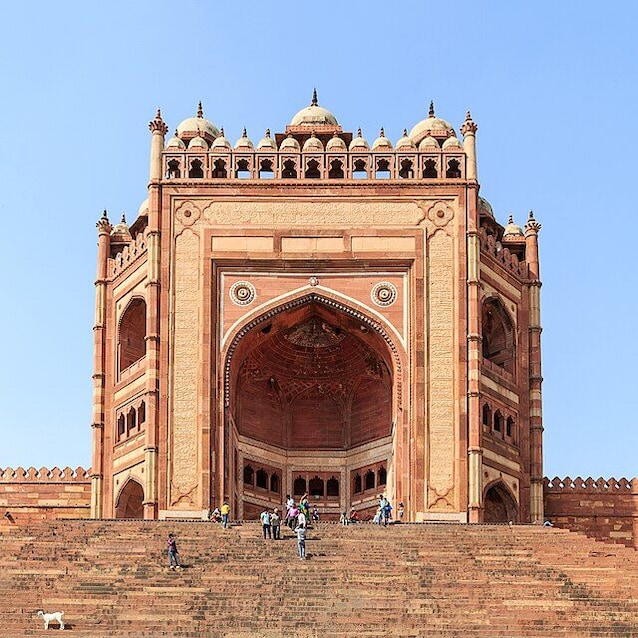
There largest door in the world is found in India: it is in red sandstone, 40 meters high – which reach 53 if the height is counted from the ground, including steps – and 35 wide. It is the BULAND DARWAZAwhich means just “Main door” or “Porta della Vittoria”and was built in 1575 From Akbar, Emperor Moghul, to celebrate his victory over the Gujarat region during his process of conquering the Empire. Through the Bulland Darwaza, Wonderful specimen of Moghul architectureyou enter the mosque Jama mosque to Fatehpur Sikri.
The largest doors in Italy
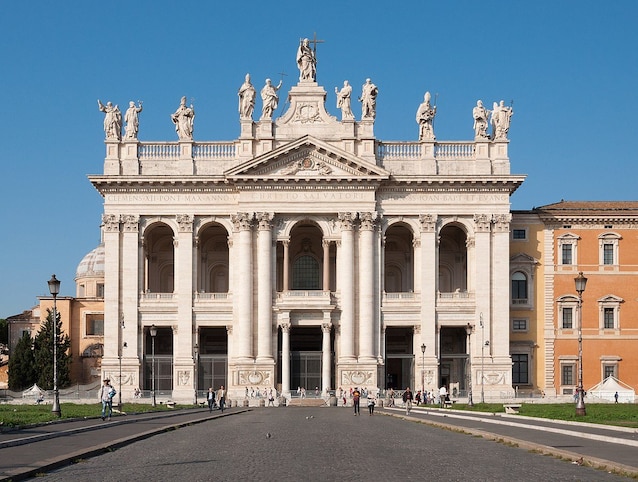
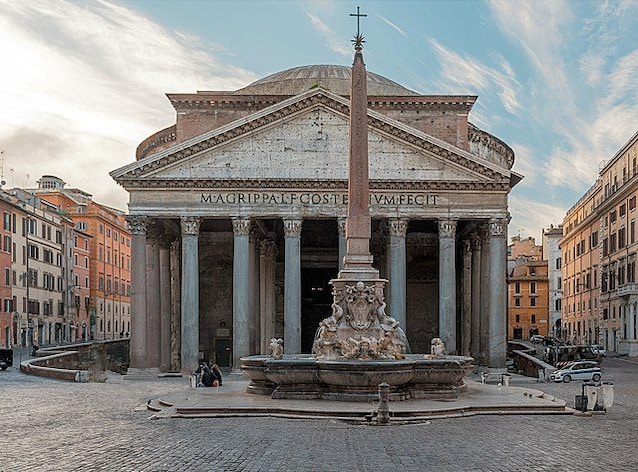
In Rome there are both largest doors in Italy: they are Both in bronzeand both exceed 7 meters. The first is that of Basilica of San Giovanni in Laterano: the pieces that compose it date back to the first century AD and were placed as entry to the Curia Iuliathe Roman Senate: at the end of the seventeenth century, in 1656, they were moved to create the entrance door a San Giovanni in Laterano. It was Pope Alexander VII who ordered its dismantling and to want to relocate it right there: the restoration was entrusted to Borrominialso author of the perspective gallery of Palazzo Spada. Also the Pantheon door It is majestic: 7.53 meters high, 4.45 wide, built around 115 AD, it also has the particularity of having the original lock still in operation, after almost 2,000 years!
The greatest door of antiquity: the door of Ishtar of Babylon
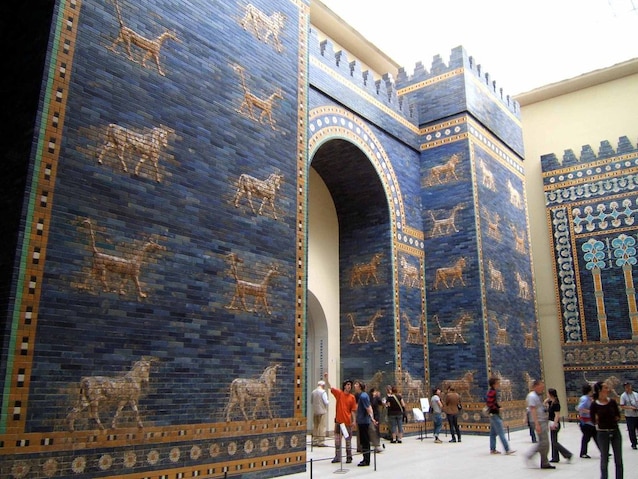
The construction of the Ištar dooror Ishtar, begins to Babylon at the behest of Nabukodonist II, indicatively in 575 BC
14 meters high and 11 widetoday reconstructed to Pergamon Museum of Berlinwhere it was transported piece by piece to the end of the 1920s, the door is beautifully covered with blue glazed bricks and decorated with naturalistic images, geometric decorations, dragons, bulls and animals. This splendid construction is dedicated to the goddess of love, fertility and war ishtar, and was formerly placed at the north entrance of the city and had the function of both protection that of real entrance portal to the magnificence of Babylon.