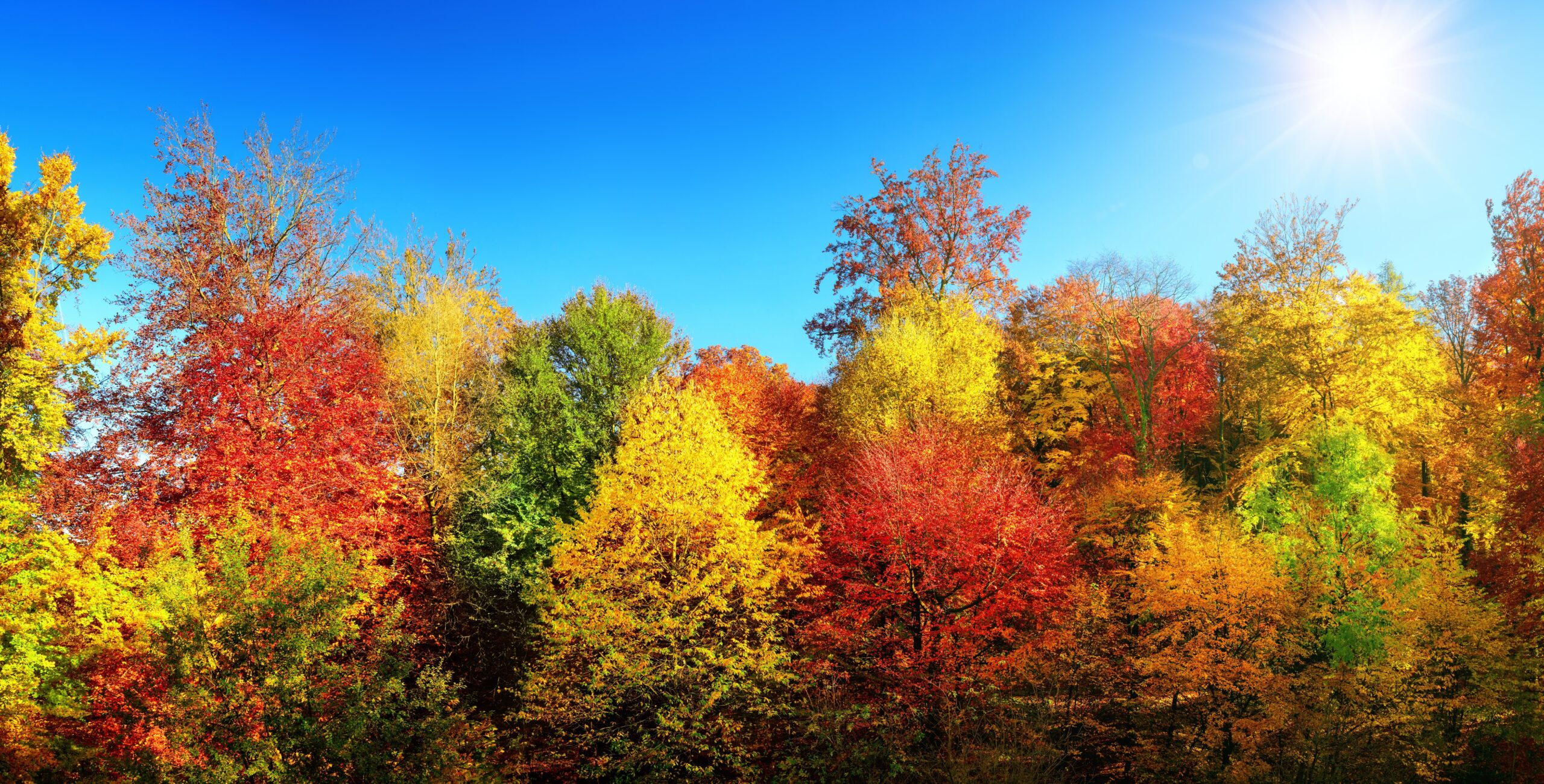
As soon as the summer leaves room for autumn, for some time on social networks the foliagea word that, although it seems French for many, comes directly from English. The term originally meant “foliage“, However, has acquired a new meaning and a new strength becoming a symbol of chromatic suggestions typical of trees leaves in autumn colors. If on the one hand the sound evokes elegance, on the other it is interesting to note how a word, while maintaining its roots, can transform itself so deeply into daily use adapting to the new realities of the tourismfrom the fashion and of the visual culture.
First of all, it should be specified that the pronunciation of foliage It is sometimes erroneously traced back to French, following phonetic rules similar to those of words like garage, reportage or vernissage. This association is probably due to its “French appearance”, but the pronunciation would be more correct “Fò -lie” (/ ›Oudɔliedʒ/ o/ ● IPA), with accent on the first syllable and a “a” change. In fact, this is not a real Frenchism, but an English term in use since the twelfth century, which generally means “foliage”. The influence of the French is however present: the English term in fact derives from feuillagealso with the meaning of “foliage” which in turn originates from feuillean antique root lesseme (folia in Latin, phyllòn in Greek).
But what does the foliage indicate, in essence? It is the description of a natural phenomenon which occurs typically in fallwhen the foliage of the trees are tinged with the hottest colors – red, orange, yellow and brown in their most varied shades – predicting the change of season. In the United States and Canada, where there is the distinction between “fall” and the most British “Autumn”, more articulated expressions are used such as Autumn Foliage or Fall Colors To describe this the magic of autumn colors.
In Italian, Foliage was welcomed as forestryismbut with a more specific sense than the generic “foliage”. It is a case of semantic narrowinga common linguistic phenomenon in foreign loans, which implies the addition of a further layer of meaning. To well think about it, the word “foliage”, perhaps a little more derogatory and which visually recalls a mass of leaves, certainly does not transmit the same elegant notes as “foliage”, which instead suggests a coat of colors, especially when used in tourist or aesthetic contexts.
In the collective imagination, the foliage is associated with breathtaking landscapesvibrant of welcoming colors. An emblematic example is the famous train of the Foliage of Vigezzina-Centovalli railway: a 52 -kilometer long historical line that connects Italy (Domodossola) to Switzerland (Locarno), in operation for over a century, which became viral on social media in recent years thanks to the beauty of its autumn panoramas.

However, the foliage is not limited to landscapes: it also entered the world of fashionwhere the term, until a few years ago almost unknown, has seen a real boom. The warm colors of autumn, inspired by the leaves that change shades, have influenced clothes, accessories, hairstyles and entire seasonal collections. This trend translates into the use of “noisy” nuances such as red, orange, yellow and brown. The goal? That of evoking the atmosphere and beauty of the autumn season also through personal style.
