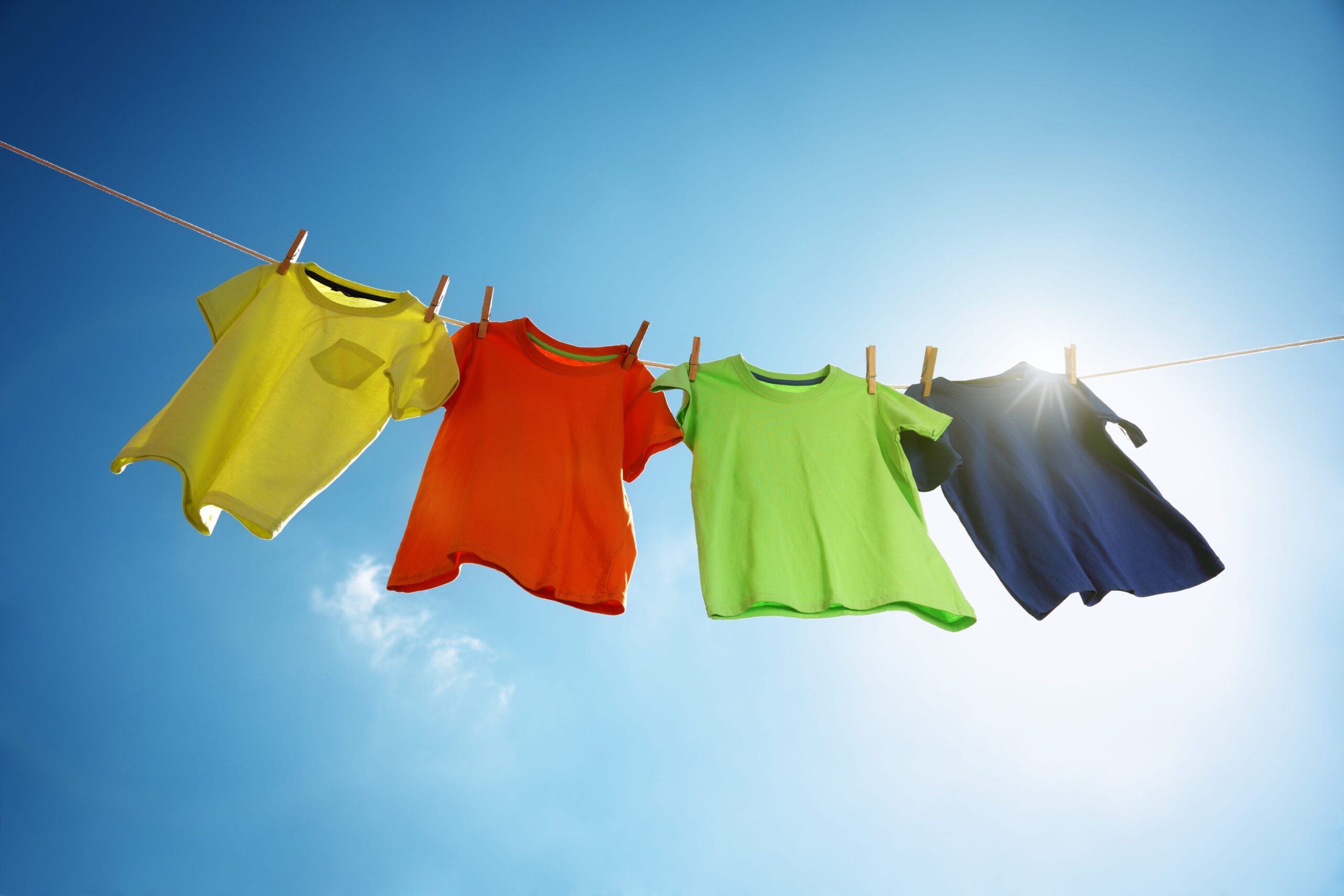
Clothes can be affected by aprolonged exposure to the sun: in fact, the solar ultraviolet rays have enough energy to break the links of the molecules responsible for the color, the dyes, in a process called photodegration. The effect can be accentuated by other factors such as the temperature and the presence of oxygen.
In practice, the dyes subtract some portions of the visible spectrum and refer back – in our eyes – the rest, which is often the complementary color of that absorbed. For example, if a molecule absorbs blue light, it reflects the yellow, which is the color we see. If he absorbs the red, reflects the green and the fabric will appear green. If the sunlight “breaks them”, The shades of the clothes forgive in brilliance And slowly they become increasingly “anonymous”. The extent of the fading depends on the chemical structure of the coloring and fiber whose dress is composed: some resist better, others give in a hurry. The textile industry can partly avoid this phenomenon through anti-UV additivesbut we too can adopt strategies at home to limit the damage, how to avoid spreading clothes in direct sunlight or using delicate washing.
The UV rays of the sun “break” the dye molecules and fade the colors
The dyes they are not eternal and immune from the action of ultraviolet light. Their stability towards light is measured with a parameter called Light resistance (Light Fastness). When a dye has good light resistance it means that it maintains its shade even after prolonged exposure to the sun; When it has low, the color disappears quickly. Generally, light resistance depends mainly on chemical structure of the dye, or rather of the chromopher (The part of the molecule that gives color), and from the interaction with the fabric fibers: the more stable the structure of the chromophoric is stable, the more the color of our shirts will remain as soon as you buy.
Other dyes instead, vulnerable to the Photodegradation: When the sunlight affects chromopher, literally breaks the molecule breaking the bonds. If the structure shatters and the bonds give up, the dye degrades And it no longer performs its “colorful” function. The longer the exposure is, the more coloring molecules escape the final color, causing an increasingly advanced fading.
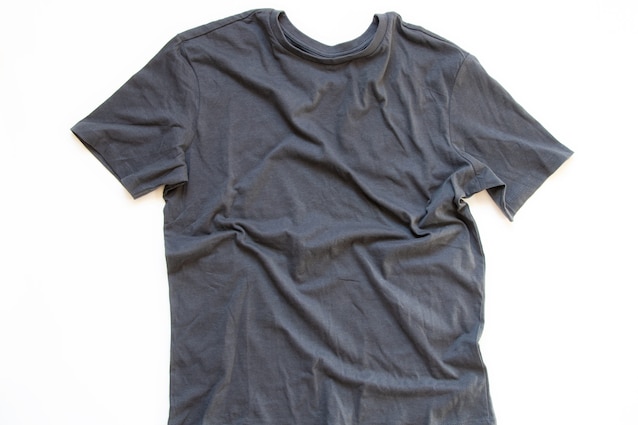
Not only dyes: the sun causes the photo-oxidation of the fibers
In reality, the phenomenon of the photodegration also affects the same fibers of fabric: in particular, natural fibers such as cotton or wool suffer real Fractures and damage to the surface if exposed for a long time in the sun. UV light excites molecules not only of the dyes, but also of the fibers themselves, creating the free radicalsextremely reactive compounds. These, together with the oxygen present in the air, trigger reactions of photo-oxidation fiber. Also in this case the chemical structure weakens, but this time it is the fibers that make up the fabric that are affected. The result is a dual damage, not only discolors, but also real weakening of the fabric.
How to limit the fading
If the industry tries to solve the problem by selecting more resistant dyes and adding anti-UV additives (a sort of “sun cream” for fabrics), we too can do our part. Some daily tricks are simple but effective:
- Avoid direct drying in the sun: spreading clothes in the shade or turning the clothes upside down can reduce the exposure of the dyes to UV rays;
- delicate washing and low temperatures: aggressive detergents and heat further weaken the ties of the dyes and fibers;
- rotation of clothes: alternating favorite garments so as to prevent only one undergoing the cumulative effect of the sun.
Following these tips will not prevent the garments from discoloring over time: nothing is eternal, but we can limit the phenomenon with some simple care.
Sources
Christie, RM Color Chemistry, 2nd ed., Royal Society of Chemistry, 2015.
Good Light Fastness
