
When we make a tattoo it is important to protect yourself from the sun and from UV radiation and it is not a mere aesthetic motivation. Exposure to UV rays slows down the skin healing process, and over time it can literally “split “the ink moleculesbringing not only to fading of the pigment, but also to the formation of the notorious free radicals (ROS – Reactive Oxygen Species) which can induce oxidative stress e Cellular damage to the skin. The most common symptoms of the damage derived from the exposure of UV tattoos are rednessitching, pain, swelling and also Increase in infections. On the other hand, a close cause-effect correlation between tattoos and melanomas does not seem to be established, also because it seems that those who are tattooed are more careful to protect themselves from the sun, with high SPF solar creams and mechanical protections.
Because using sunscreen on tattoos: the skin needs time to heal
The tattoos have accompanied us for centuries: think they have been found well 61 Also on the Ötzi mummy preserved in Bolzano in the Archaeological Museum of South Tyrol. It is not well known what they were for Ötzi, but today the tattoo became A real art.
The little aghetti who pierce the skin to deposit the ink, however, cause one injury, who needs time to heal. The repair process goes from inflammation, to tissue proliferation, in which new cells are produced to repair the damage, up to remodeling of the fabric, in which the new fabric reinforces and stabilizes.
Exposure to UV rays can Slow down healing tattoo, prolonging the inflammation process at a time when the skin is particularly sensitive and vulnerable, exposing us to further irritation and potential bacterial infections.

The pigments of the inks absorb UV radiation
The risk does not stop at the first weeks after a tattoo. Even once healed, we can have damage related to sun exposure. In fact, the pigments used in the inks for the tattoo from a chemical and structural point of view are molecules capable of absorb part of solar radiationboth infrared and UV, in particular grapes, which reach the deepest layers of the skin.
In reality, the mechanisms with which UVs and pigments interact are not entirely clear, but it has been observed that once “affected” by UV radiation, these molecules meet a process of photelisthat is, split, rupture caused by light. This causes not only a pigment discoloring and therefore one fading of the tattoobut real damage to cellular structures.
In practice, UV radiation is like a stone that breaks a glass: The fragments of the pigment molecules are reactive species of oxygen (ROS), commonly known as free radicals. I am unstable molecules, With an electron left alone (in technical jargon, spassed) who desperately seek a partner: as crazy splinters hungry for electrons hit and react with anything they encounter, from lipids and proteins, to DNA.
To each pigment his risk
UV can react both with the pigment itself, and with one of his metabolite. Red, yellow and violets contain nitrogen pigments, which are metabolized in Primary aromatic aminesconsidered responsible for allergic reactions to tattoos and photoallergiaa type of photosensitization that takes place after sun exposure and involves the immune system.
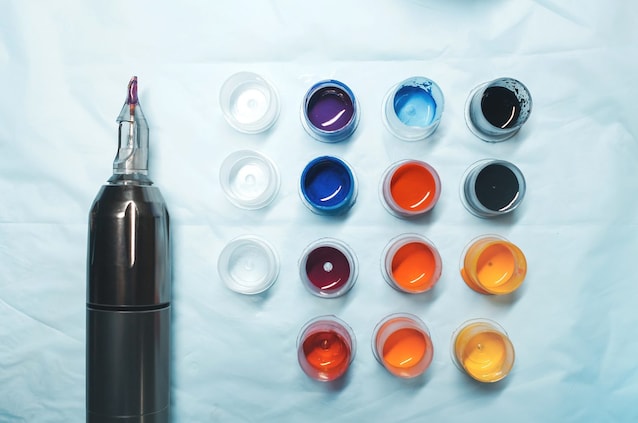
The dark pigments contain instead Polycyclic aromatic hydrocarbonspotential sources of Ros, or Carbon Black, the pigment also known as Black or coal black used precisely in the black ink. In this case, the Ros formation Following the aggregation of Carbon Black Nanoparticles. But the greatest problem of black tattoos is that they could mask snow snow, melanoma, preventing early recognition.
Tattoos and melanoma: those who are tattooed protect themselves more from UV rays
If the sun-tattoos interaction can actually give classic inflammatory symptoms such as itching, swelling, redness and pain, The correlation with the development of melanomas is not equally safe. Indeed, the percentage of skin carcinomas in tattooed people seems to be in line with the general population.
The reason? According to a 2024 survey that interviewed 9031 adults tattooed and not, tattooed people tend to expose themselves more to the sun, but they are also more aware of his risks Compared to those who have no tattoos. They use more high SPF sunscreen, mechanical protections such as umbrellas or anti-UV clothing and in general they have greater attention to the damage deriving from exposure to UV rays. However, it is a questionnaire, with assessments authorized by the interviewees, but in any case it represents an interesting and curious fact, also given the amount of people who participated.

The regulatory framework in Europe and Italy
The pigments and procedures for tattooing in safety are strictly regulated. In Italy There is no univocal legislationbut it is generally referred to the “guidelines for the execution of tattoo and piercing procedures in safety conditions”, and some regions have issued Specific laws for the regulation of the sector. The Higher Institute of Health Remember to contact qualified and formed tattoo artists.
In Europe, the reference standard is the resolution resolution on requirements and critic for the safety of tattoos and permanent make-up) of 2008, which outlines not only the hygienic-sanitary rules to be respectedbut also lists the list of pigments and impurities that must be absent from tattoogg inksI, as carcinogenic, sensitizing and mutagenas.
Sources
