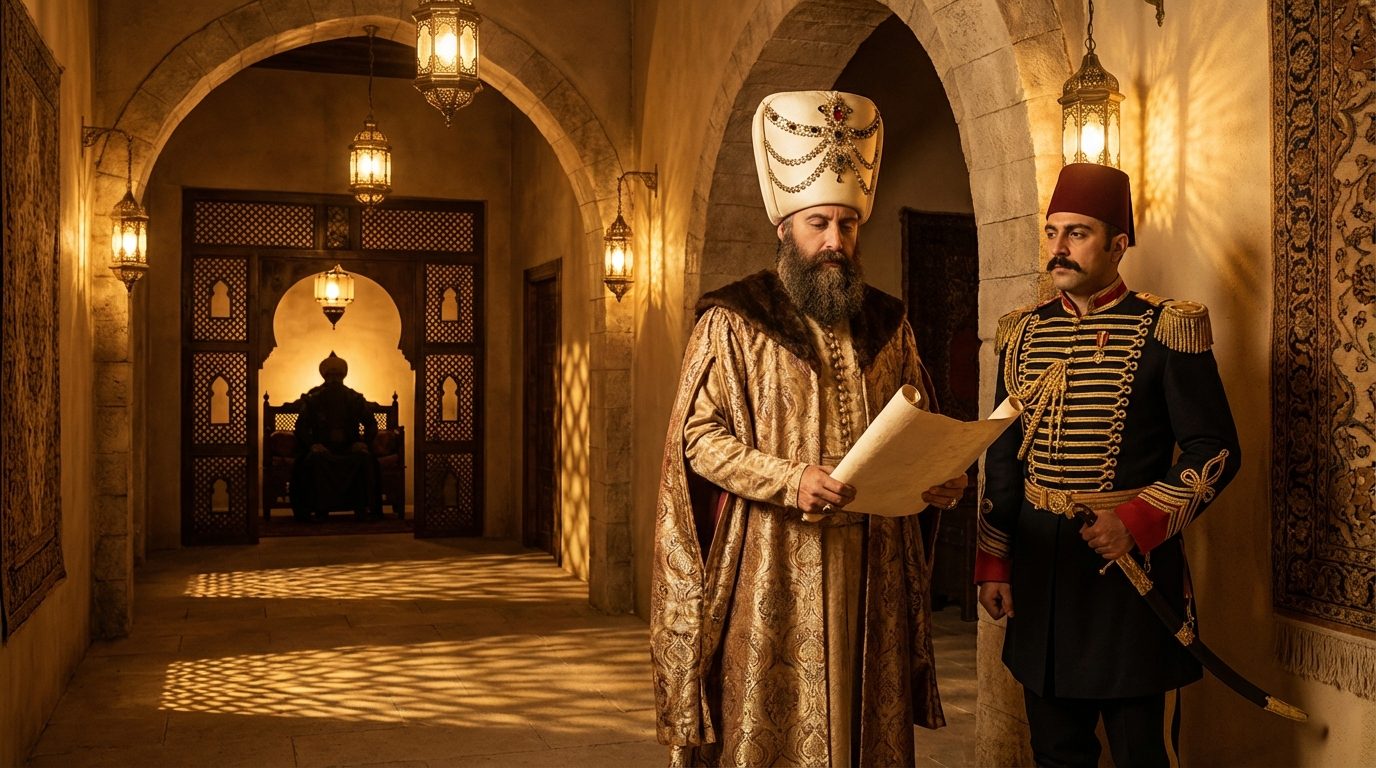
We all know words like emir, vizier, sultan, caliph, shah and the like, but often we have no precise knowledge of their meaning and we use them in a confused way. The words in question indicate royal, political, religious and military titles of the Islamic world. Each title has a precise meaning. Some titles are used in all Muslim countriesothers are widespread only in specific areas of the vast and diverse Islamic world. Furthermore, some titles refer to sovereigns, others to political officials and aristocrats, still others to religious authorities (although in many cases political and religious authority coincide) or judicial authorities. Finally, some titles indicate authorities with precise functionsothers have a generic meaning and are sometimes used exclusively honorific.
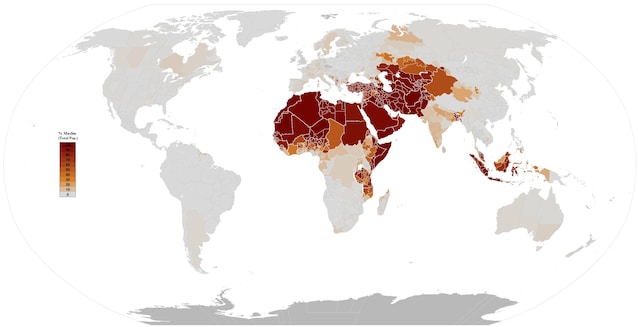
10 noble and hierarchical titles of the Islamic world
Caliph
Caliph, from Arabic khalifa which literally means “successor“, indicates the successor of Muhammad leading the community of believers. The caliph is, in theory, the religious and political leader of all Islam. The first caliphs, who lived in the 7th century, were actually recognized as leaders by all Muslims. Subsequently, the Islamic world fragmented both on the religious level, for the split between Sunnis and Shiitesboth on a political level, for the birth of independent kingdoms. However, a caliph recognized by all Sunnis continued to exist. From the 16th century The title was attributed to the sultan of the Ottoman Empirethe main Muslim majority state. In 1924two years after the collapse of the empire, the caliphate was abolished. Since then there has been no universally recognized caliph but on some occasions attempts have been made to restore him, as the leader of the Islamic State al-Baghdadi did in recent years.
Emir
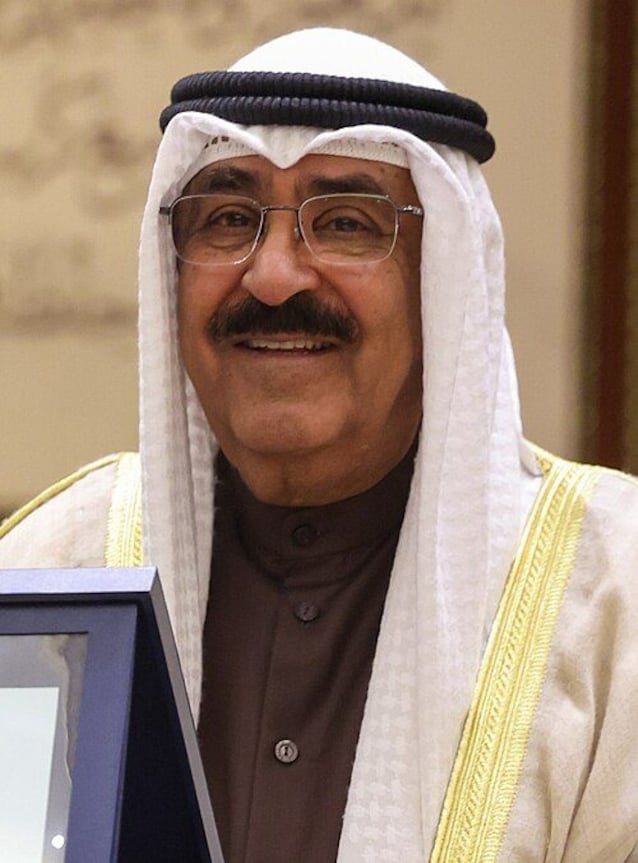
Emir, from Arabic amir which literally means “commander“, is a term used exclusively in Arab countries and refers to who can issue orders. In some states it is the title reserved for king. Today the rulers of Qatar, Kuwait and the political entities that make up the United Arab Emirates are called emirs.
Sultan
Sultan comes from the Arabic word sulta, what does it mean “authority” And “Force“, and is adopted by various Turkish, Arab and other ethnic dynasties to indicate the king. It is not known when the term was used for the first time but it was certainly already used by Ayyubidthe crude ethnic dynasty in power in a territory between Egypt and Syria in the 12th century. The best-known sultan was certainly the ruler ofOttoman Empirewhich reigned over large territories in Asia, Europe and Africa until the first decades of the twentieth century. Currently the title of sultan is held by rulers of Brunei and Omanas well as by local authorities of the Malaysia And Indonesiathe term is therefore widespread throughout the Islamic world. The feminine, sultana, typically refers to the sultan’s wife or mother.
Vizier
From Middle Persian vecir in Turkish vizir and in Arabic wazīrliterally “he who decides”, indicates the advisor to a sovereign authority. The term is used to indicate positions in various states (sometimes even in relation to the Egypt of the pharaohs), but it is associated especially with the Ottoman Empirein which it existed as an official position: the “simple” viziers cooperated with the sultan while the Grand vizier performed functions similar to those of a prime minister.
Pasha
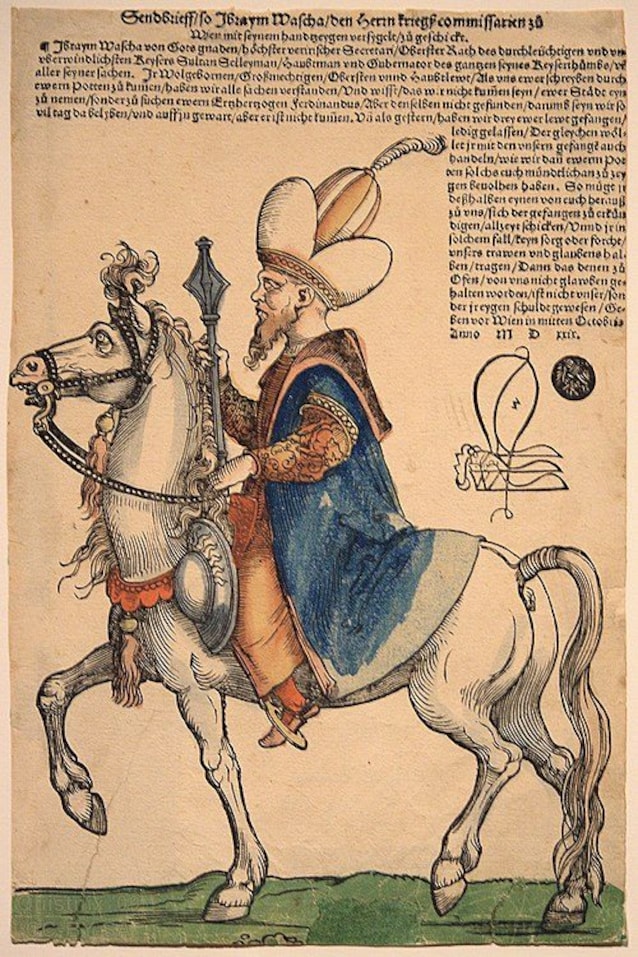
Pasha from Turkish pasha (probably in turn derived from Persian pādishāh) literally means “sovereign”. The word is widespread in the Ottoman Empirewas the title reserved for fthe sultan’s male sonsa officials of high rank and to the soldiers in charge of specific commands. The title was abolished after the collapse of the Empire. Since pashas generally had great wealth, today the word refers to people who live in luxury: think of the expression “living like a pasha”.
Sheikh
Sheikh (from Arabic shaykh, but there are also spellings cheikh And sheikh) literally means “old” or “elderly” and has a very generic meaning. Indicates any person deserving of respect and endowed with authority moral. The title is not necessarily reserved for elderly people and does not require the bearer to be invested with specific responsibilities. In recent times it has been used in journalism to define Osama Bin Laden, known by the press as “the sheik of terror”.
Khedive
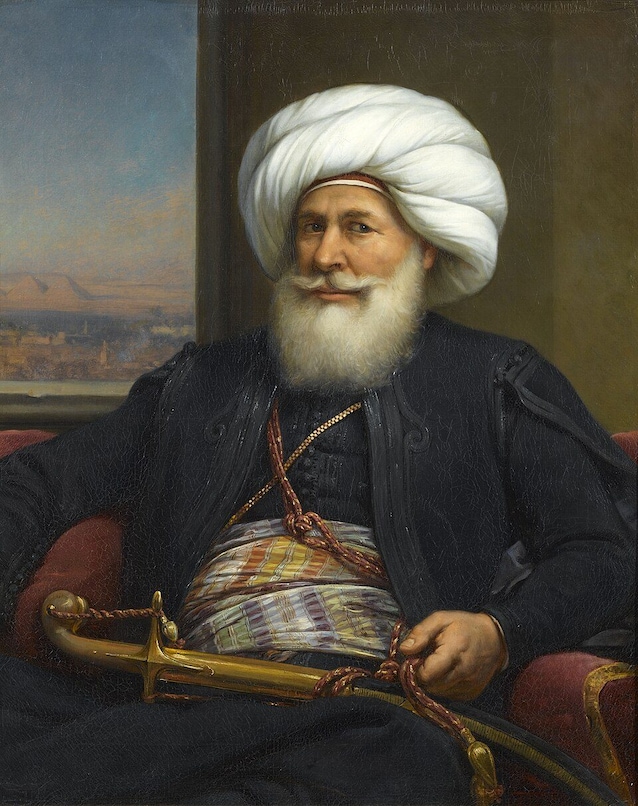
Khedivé, derived from Persian and sometimes written in Italian in the form chedive, it was originally a honorific title used in the Ottoman Empire. It is best known because from 1805 to 1914 it was the title of the viceroys of EgyptMuhammad Ali and his descendants, who were de facto independent of the control of the Empire.
Nabob
Nabob (from Urdu nawabliterally “vicar” or “lieutenant”) was a widespread title inMughal Empirethe Islamic kingdom that existed in India between the 17th and 19th centuries. It indicated a viceroy, a governor of specific territories or other noble figures. Similar to the term pasha, today it is used allegorically to indicate a person who lives in luxury.
Ayatollah
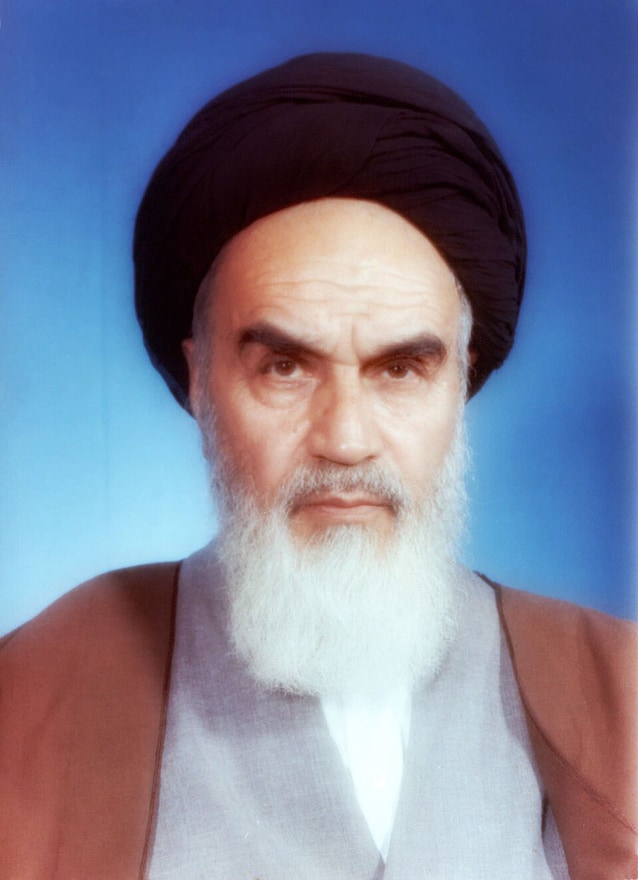
The Arabic word Ayatollahwhich literally means “sign of Allah”, is the title reserved for most important exponents of the Shiite clergy. It is generally associated with Iran, because in the country the ayatollahs are invested with political responsibilities, but it also exists in Iraq, Lebanon and other states where Shiite communities live. The title of is reserved for the most important scholars Grand Ayatollah. Among the people who have been awarded it include the current supreme leader of Iran, Ali Khamenei, and his predecessor, Ruhollah Khomeini.
Shah
Shah, from Persian shah what does it mean “king“, is the title of the ruler of Persia (now Iran). Over the centuries it has been used by numerous Iranian dynasties. Since 1979, when a popular revolution overthrew the monarchy and ousted Shah Reza Pahlavi from power, the title has not been officially worn by anyone.
