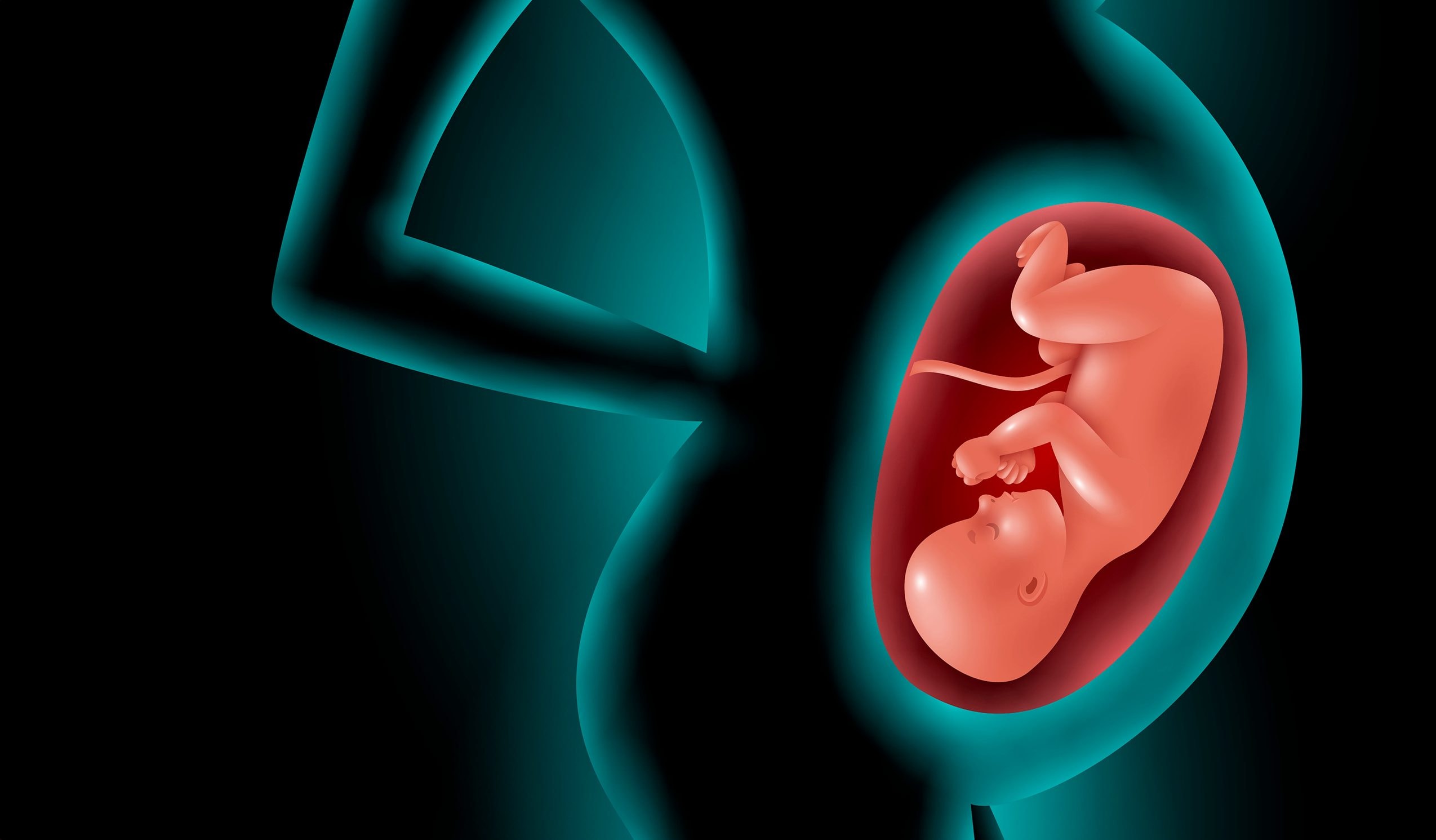
When we perceived ours First flavor? And the first taste who disgusted us? According to science, much earlier than we imagine, even during the prenatal life. The womb, in fact,, It is not an armored room that isolates the uterus from the outside world, but a filter that lets some environmental stimuli pass, which fetuses can perceive with different intensity based on Stadium of development. Thus, during the nine months of pregnancy, with the progressive maturation of the sensory systems of taste and smellfetuses become increasingly capable of “savor” what the mother eats, manifest different reactions based on the characteristics of the ingested food. THE’frequent assumption of certain foods in the Last weeks of pregnancy it can even leave a real Memory trace, capable of influencing children’s preferences and responses to food too After birth, a evolutionary legacy Which would help the little ones to orient themselves in the first moments of extra-hydine life.
What flavor does the womb has?
The first question that arises is: what flavors can he hear a fetus inside the belly? Simplifying we could say: The same who perceives the mother when he eats! The womb in fact has its own “flavor” conferred by amniotic liquidthe fluid in which the fetus is immersed during the nine months of development. Some studies have shown that, after a meal, the aromatic molecules Of the food ingested by the mother they cross the blood and, overcoming the placenta, reach this liquid. We are clear: we must not imagine that The flavors arrive in the womb in all their complexitybut the change of chemical composition of the amniotic liquid is however able to alter its flavor in a perceptible way. And since the fetuses They inhale and swallow this liquid continuously, coming to consume up to 500-1000 ml per day in the last months of pregnancy, it’s like if “They tasted” (in a simple and primitive way) the mother’s meal.
But when is the fetuses acquire this ability? It takes time. Time for that The bodies of sense of taste and smell completely maturine. This process begins around the second/third month of development, when the first taste buds appear on the language and the first olfactory neurons in the nose, but at least others are needed three months of continuous development so that the bodies of sense of taste and smell (and their connections with the brain) become fully operational. Starting from Third quarterthese sensory systems are quite mature to allow the fetus of perceive- and react- to the first taste stimuli.
In a study published in 2022 in the magazine Psychological Science from a team ofDurham Universityusing 4D ultrasound, the researchers managed to observe the facial expressions of the fetuses between the 32nd and 36th week After the mothers had ingested capsules flavored to the carrot or al cabbage hedgehog. After about 30 minutes from the ingestion of the carrot capsule – a sweet taste, usually associated with positive reactions already in infants – the fetuses showed expressions similar to a smile. On the contrary, after the capsule with the hedgehog – a more bitter taste and usually little appreciated also by the children – they exhibited Rooms corrugatedas if to report an unwelcome taste.
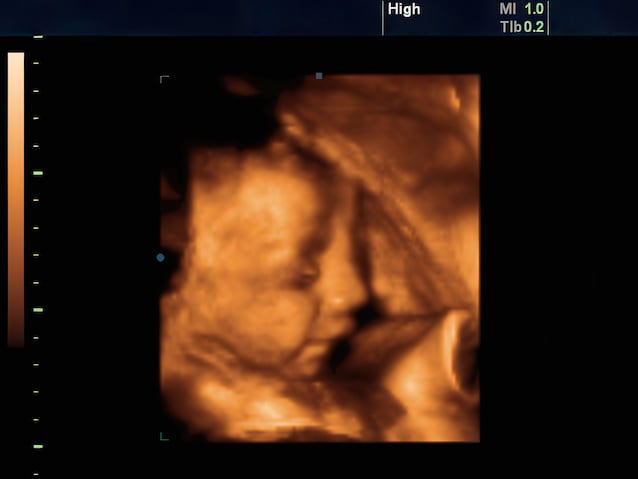
The flavors perceived more frequently can impress a “gustatory memory”.
The same researchers from the University of Durham, after analyzing the reactions of the fetuses to the foods ingested by the mothers, asked themselves a new question: what happens if a certain food is consumed regularly during pregnancy? To answer, they asked a group of mothers of assume For three consecutive weeks, the same capsules flavored with carrot or curly cabbage. The result? A few weeks after birth, babies showed less corrugated expressions and an increase in smiling faces in response to flavor experienced in the maternal wombeven in the case of hedgehog cabbage!
In short, The flavors taken regularly in the last weeks of pregnancy they seem capable of fixing themselves in the sensory memory of the fetus, leaving a sort of “Taste imprint” which makes them more familiar. Already in the early 1900s, some studies had observed that babies of specifications Regions of the Worldin which traditional diets foresee Intense or not very common flavorsshowed one greater tolerance towards those same foods.
In Alsatiafor example, a region where the anise consumption (a spice with a very strong taste and usually unwelcome to babies), children born from mothers exposed regularly to this pregnancy aroma reacted with more positive expressions compared to non -exposed peers.
All these studies make the hypothesis that A frequent exposure to flavors During the prenatal life it can make them more familiarhelping to reduce the food neo -ophobia – or the natural diffidence towards new or unknown foods – and facilitating theacceptance of some foods Essential for a balanced diet (such as green leafy vegetables), generally not very welcome to children due to the strong or bitter flavor.
Because perceiving the flavors of the womb is important
At this point, it is legitimate to ask a question: because for a child it is It is important to have a first taste of the world already from the belly? And above all, because from an evolutionary point of view it is important to keep a memory of perceived flavors? A possible explanation is that infants, in the early stages of their life, are completely dependent on their parents. Recognizing your mom immediately is fundamental And it can make the difference between surviving or dying. To do this, the babies of the mammals yes they entrust precisely to their senses. For example, the smell and flavor of breast milk are very similar to those characteristic of the amniotic fluid, which the fetus recognizes how family members for continuous exposure during pregnancy. This Familiarity with maternal smellsjust as it happens in other species of mammals, could allow infants of instinctively identify one’s mother at the time of birth and explain the natural attraction of newborns for the smell of his breast, thus favoring the formation of the attachment bond of the little ones towards the mother.
Another explanation, which does not exclude the first, is just as possible. Imagine the scene: for nine months the child lives in an environment muffled, quiet and protected like the uterusto then be exposed suddenly to the outside world, with its unknown flavors and strong smells. Such a drastic change would be one shock For anyone, let alone for a newborn baby!
Already create a sensory bridge Between the interior and the external one it allows instead to gradually prepare the fetus al world that awaits himmaking it less traumatic the transition from the uterus to extrauterine life. In this way, at birth, the newborn finds himself in a new world, but not completely unknown. Recognize how family members aromas, flavors and smells It helps the newborn a to orient themselves and adapt to the first moments of life, allowing him to face successful and greater security the inevitable challenges that await him in the world out there.
Sources:
