TO Belémin Brazil, has officially opened COP30, there 30th Conference of the Parties of the United Nations on the management of climate crisis and global warming: for the first time in history, the summit will take place on the outskirts of the Amazon Forest. This year there are two main objectives: to establish a plan to mobilise, by 2035, 1,300 billion dollars a year for developing countries – as decided at the end of COP29 – and strengthen the ecological transition that leads to the abandonment of fossil fuels – final objective of COP28.
This is an important event, given that it occurs this year 10 years since the adoption of the Paris Agreement and 20 years from the entry into force of the Kyoto Protocoltwo of the most important international agreements to combat climate change.
In reality, as already happened in COP29 in Baku, find an agreement that brings all the countries to agreement will be particularly difficultalso due to the absence of great personalities – including Donald Trump And Xi Jinping – at the summit of political leaders which was held on 7 November.
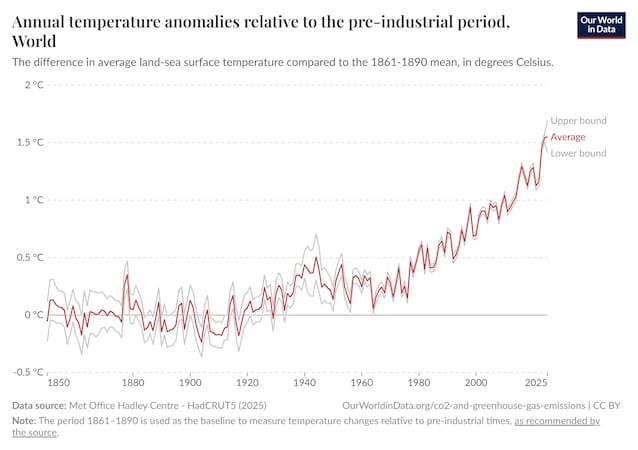
Meanwhile, a recent study confirmed that 2024 was the hottest year recorded so far in history: according to UN Secretary Antonio Guterres, it is now unachievable limiting global warming to +1.5 °C higher than pre-industrial levels.
What is the COP30 in Belém in Brazil and what are the objectives
The acronym COP stands for Conference of Parties, literally “Conference of the Parties” and indicates the UN Conference, organized annually to bring together the around 200 representativesbetween countries and international organizations (such as the EU), which have signed theUnited Nations climate agreement of 1992.
The big priority of COP30, which will continue until November 21st, is to put the “New Collective Quantified Goal” into practice agreed at COP29. Specifically, countries will have to outline a strategic plan to allocate, at least by 2035 1,300 billion dollars a year for developing countries. These funds, which will serve as climate aidwill have to be allocated by the more developed countries, but private investments or emerging countries that are not currently donors may also contribute.
But the stakes this year are quite high: COP30 is the first Conference of the Parties to recognize the failure of the objective of limiting global warming to +1.5 °C compared to pre-industrial levels. Among other things, according to a recent UN report – theEmissions Gap Report 2025 – if current energy policies do not change, it is possible that by the end of the 21st century the average global temperature will increase by 2.8 °C compared to the pre-industrial era.
Among the new features, then, there is the possible launch of a “Tropical Forests Forever Facility”, i.e. a multilateral financing mechanism proposed by Brazil to “support the conservation of forests in danger and the populations who live there” and the definition of the methods of access to the Provision for Losses and Damages (FRLD), the instrument created to help the countries most affected by the effects of climate change and managed with the support of the World Bank.
More generally, the COP30 program is divided into six different pillars established by Brazilwhich holds the presidency of the UN Climate Conference, as host country:
- There transition of energy sourcesindustry and transport.
- There forest managementoceans and biodiversity.
- There agricultural transformation and food systems.
- The strengthening of the resilience of cities, of infrastructure and water resources.
- There promotion of human development and social.
- The liberation of enabling factors and acceleratorsincluding in finance, technology and capacity building.
Because it will be difficult to reach a negotiation during the UN climate conference
As happened for COP29 in Baku, and for the previous COP28 in Dubai, reaching a final agreement will be particularly complicatedfor several reasons.
First of all, the absence of the leaders of the four most polluting countries in the world at COP30: USA, China, India and Russia. And, among other things, after Washington’s withdrawal from the Paris Agreement – one of the first measures signed by Trump at the beginning of his second term – the President Donald Trump he made it known that the United States will not participate in the Conference with high-level representatives.
In short, half as many Heads of State arrived in Belém as last year: with one participation Like this reducedit is very unlikely that an agreement shared by the entire international community will be reached. Added to all this are the numerous international geopolitical tensions, which will make negotiations to reach a compromise for managing the climate crisis even more difficult.
In general, however, decisions made at COPs have no character binding (and therefore obligatory for States), but they can lay the foundations for future treaties, as happened with the Paris Agreements.
