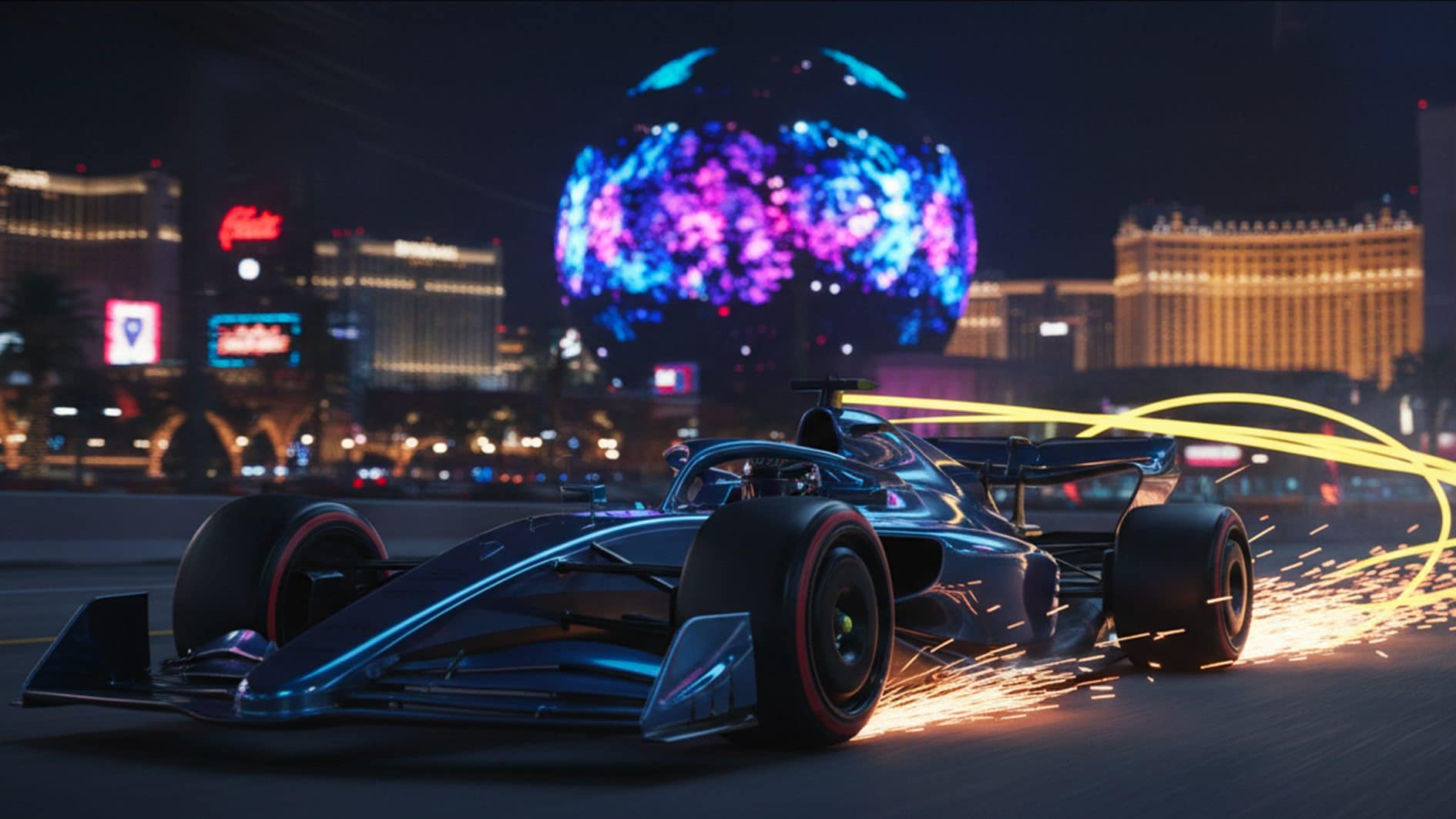
Las Vegasthe city of sin, returns to the center of the world motorsport scene with the third edition of Grand Prix of Formula 1 which will take place on Sunday 23 November, starting at 05:00 Italian time, on the new Las Vegas Strip Circuitthe circuit that touches the most iconic places of the city inaugurated in 2023. It is the third to last round of the championship, the last call for the world championship ambitions of Max Verstappenwho won his 4th world title here last year and is called upon to make an almost impossible comeback against the two McLaren drivers Lando Norris (+49 points in the standings) e Oscar Piastri (+24 points).
But it is not the first time that Las Vegas hosts F1: it also ran in 1981 and 1982 on “Caesars Palace Grand Prix”in a city very different from today’s and with a circuit created in the space which today is in fact occupied by the car park of the very famous Caesars Palace Hotel. An event, the one coming this weekend, as much loved by some as it is criticized by others, which however clearly highlights the direction that the “Formula 1” brand is taking in recent years.
Why F1 is betting big on Las Vegas (and more generally on the USA)
There are several reasons that push Formula 1 towards expansion into the US market and towards more and more events “cool & glamorous”. First, F1 in the United States is still considered an emerging and relatively unwatched sport that has room for growth hugemuch broader than in Europe where F1 represents a historic discipline that has been consolidated for decades.
To date, three stages of the calendar are held in the USA: Miami, Austin and Las Vegas, in May, October and November respectively. Las Vegas is also the global symbol of showof fun, of “entertainment” in its pure state. Having a Grand Prix with cars racing at over 300 km/h on the Stripin front of the most famous hotels and casinos in the world, and which revolves around places immediately recognizable to the general public such as The Sphere, is an opportunity to bring the world of racing closer to a more general public, linked to the world of fashion, luxury, and (often) great financial resources.
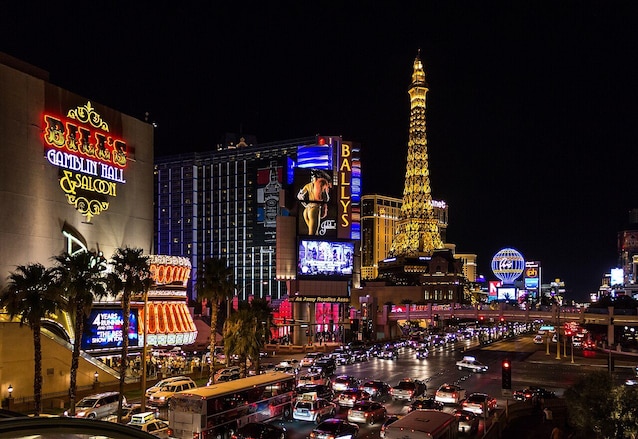
A night race that winks at VIPs, sparkling lights, exclusive parties, and a very long series of collateral events that are forbidden to be missed. A simply indispensable showcase for the Formula 1 brand that does a real “all in” to gather a new, well-selected audience, regardless of whether they are passionate about motorsport.
Is it sport or pure entertainment: the heavy criticism of F1 in Las Vegas
The great criticismwhich already arrived in the first edition of 2023 and which are repeated every year, come from two different types of audiences: on the one hand “purists” of F1, on the other who in Las Vegas lives or work.
Motorsport fundamentalists criticize the race because, on a sporting level, it is not particularly exciting but it just seems like a way to give visibility to F1 in a place that does not suit it. The circuit is a city one, without any particular difficulties, with a very long straight on the Strip (the street of hotels and casinos) and a layout that favors pure speed over technique and overtaking. The whole race becomes a moment “instagrammable” for the spectators who paid thousands of dollars to attend the event in one of the countless lounges available, with attached concerts and events that involve the participation of pilots who have little to do with the real sport.
Those who live in the city of Las Vegas on a daily basis find themselves immersed in weeks of inconvenience. The circuit, as mentioned, crosses the very busy Strip, and the famous luxury hotels become part of the set: the main straight passes in front of iconic hotels such as Bellagio, Caesars Palace, The Venetian, and the prices of rooms overlooking the circuit skyrocket. Securing, asphalting and lighting this road for a night race effectively means blocking the entire city. Even for the millions of tourists who visit Las Vegas, the days leading up to the Grand Prix are a real hell. The Bellagio fountains, famous for their water games set to music, are turned off, covered by a huge temporary grandstand. Many places are inaccessible, getting around becomes very complicated, security checks are so extensive that they slow down daily life in the city. We therefore ask ourselves whether it is worth upending a city that hosts more than one year 40 million tourists to make it the great stage of a motoring event.
This is the path that F1 wants to take, despite the criticism
The Las Vegas GP fully represents the strategy that Formula 1 has undertaken to promote its brand in the near future:
- The search for a new audienceyoung, in markets where the F1 brand is not yet so rooted, primarily the USA.
- Bringing competitions to places that create “the event” rather than “the race”chasing dynamics that wink at the social and lifestyle world.
- Increase revenue resulting from ticket sales by entering large areas hospitalityexclusive events reserved for sponsors and a super-selected audience and experiences that go beyond the race itself.
Las Vegas is the ideal place to achieve these objectives and perfectly embodies the crossroads where F1 finds itself today: on the one hand sport, technique, pure competition, on the other entertainment, the total experience, the global brand.
