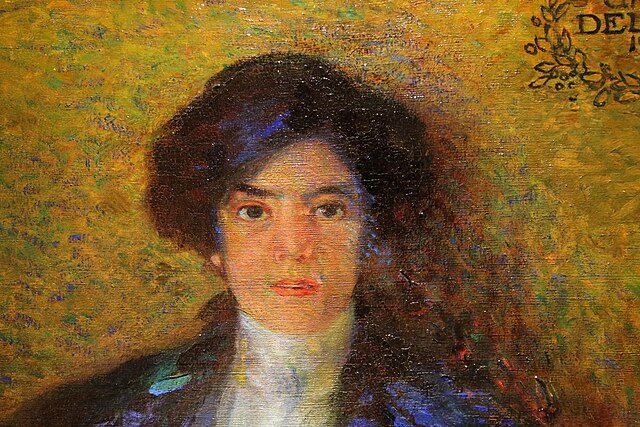
Grace Deledda (Nuoro, 28 September 1871 – Rome, 15 August 1936) was the Beforeand so far unique, Italian woman awarded of the Nobel Prize for Literature (1926, delivered in 1927). Self -taught, born in a Sardinia still deeply linked to archaic uses and a rigid division of gender roles, she managed with the only force of writing to conquer international success becoming one of the most surprising figures of the Italian narrative of the 1900s.
Grazia Deledda and her formation outside the box
Raised in a wealthy family but marked by family tragedies, Deledda attended the school only until the fourth grade, then continuing his studies as self -taughthelped by a private teacher and a tireless curiosity. He loved to read every text that he managed to get and found a refuge in writing and a means to give shape to his inner world.
From a very young age he began to write stories, signing with various pseudonyms – like Ilia de Saint’ismail or Fea – To get around the prejudices of the time against women who devoted themselves to literature. His first significant publication came to 17 with the news Sardinian blood (1888) In the Roman magazine last fashion. Shortly afterwards he collaborated with the magazine of the Italian popular traditions of Angelo De Gubernatis, who encouraged his talent and started it towards a more conscious literary path.
The literary career of the Italian writer and masterpieces
The novel of the consecration was “The way of evil” (1896)which attracted the attention of critics and imposed it as a new voice of the Italian literary panorama. From that moment, its production became constant and prolific.
Among his best -known works we remember:
- Elias Portolu (1903): The story of a former galeotto who, returning to Sardinia, falls in love with his brother’s promised bride, living a conflict between fault and redemption.
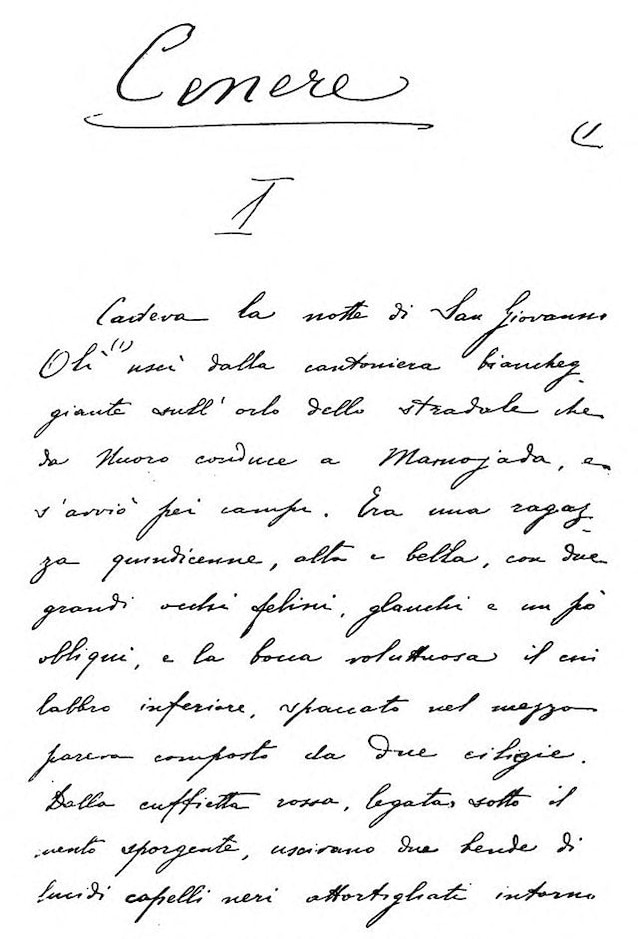
- Ash (1904): tells the life of a mother forced to abandon her son, marked by solitude and pain; From the novel a film was taken with Eleonora Duse.
- Cane in the wind (1913): Considered his masterpiece and the most famous work, he tells the events of the Pintor sisters, nobles fallen in a Sardinian village, symbol of archaic Sardinia suspended between myth and reality.
- The mother (1920): intense drama on the prohibited relationship between a young priest and a woman, who compares passion and religion.
- Cosima (1937, posthumous): fictional autobiography that traces the author’s childhood and youth, revealing the Origins of his literary vocation.
In its pages the themes of the fault, punishment and atonementfiltered through a moral and religious interpretation of life. Sardinia, with its landscapes and traditions, always remained the privileged narrative horizon, transformed into a universal scenario of human passions.
The Nobel for literature: the international recognition of Deledda
The December 10, 1927in Stockholm, Deledda received the Nobel for literature “For her power as a writer, supported by a high ideal, which portrays life in plastics as it is in its secluded Christmas island and which with depth and warmth treats problems of general human interest”. That assignment was historical: Deledda became not only the first Italian woman, but the Second woman in the world to receive the prize. Yet, he continued to lead a secluded life, dedicated to family and writing.
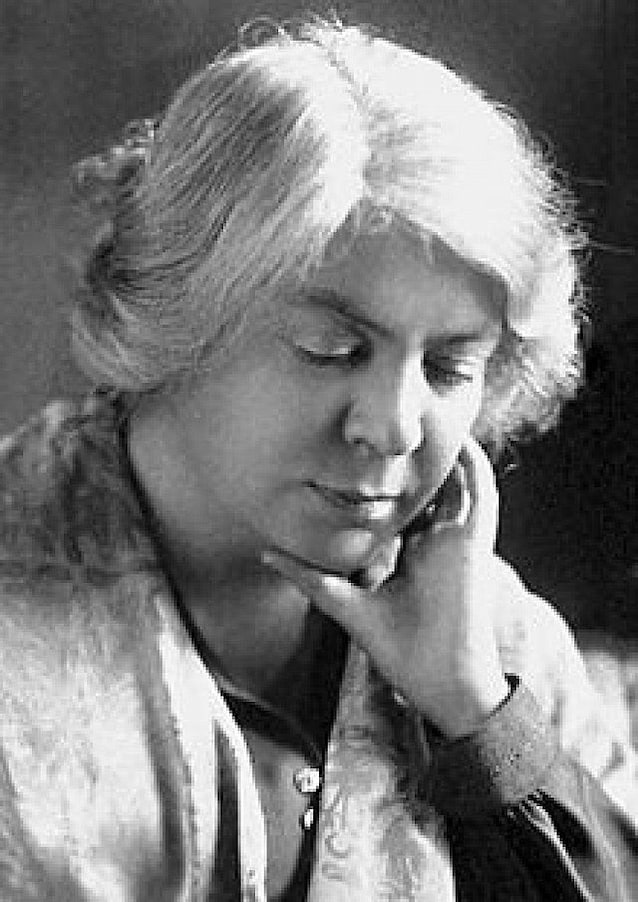
Grazia Deledda died in Rome in 1936, shortly after finishing Cosima. His remains rest in the church of Solitude today in Nuoro, at the foot of Mount Ortobene. His figure remains a symbol of female emancipation obtained not with proclamations, but with the authority of writing. In an era that relegated women to silence, he managed to give voice to a Sardinia suspended between myth and modernity and transform local events into a universal literature.
