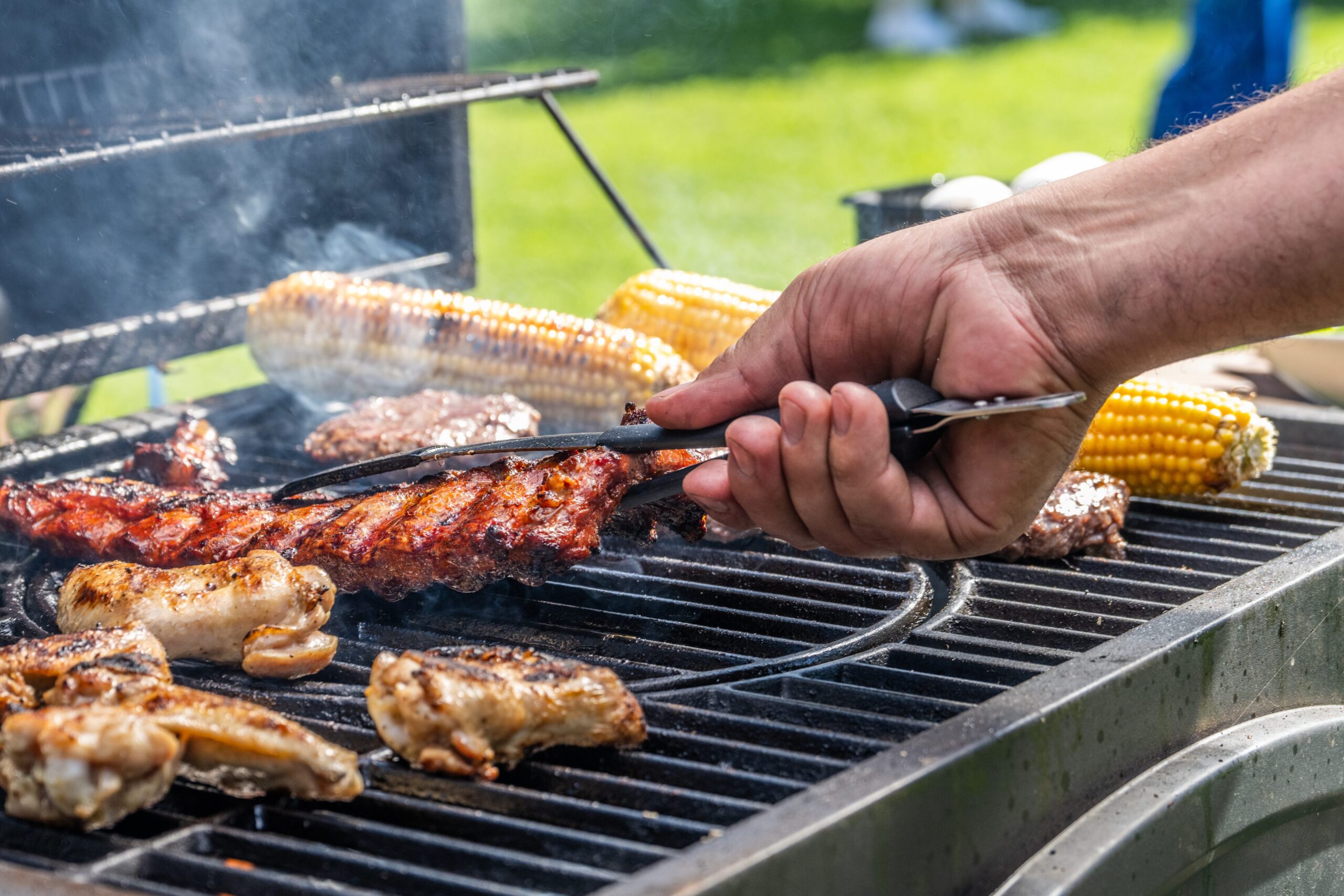
With Mid -August Behind, the most evident sign is not only a full and swollen belly after the grill, but the barbecue reduced to a battlefield: strati of burnt fat and black incrustations that seem impossible to be removed. In particular, the fat encrusted on the barbecue is in fact the enemy of anyone who has to clean after a barbecue. During cooking, the fat of the meat melts and colates: his triglycerides They are thus oxidized and polymerize, that is, they form larger and more difficult to eliminate molecules, forming a substance that sticks to the grill and other metal surfaces. To remove it, you can resort to specific products based on surfactants in association with a bit of elbow grease To carry out anmechanical abrasion with metal brushes. Common use products, such as sodium bicarbonate and vinegar, in reality, neutralize each other and They are therefore not effective in cleaning. Although the encrusted fat bothers us, these substances can represent great value as raw material for technological innovation.
The power of abrasion
A simple solution and within everyone’s reach for cleaning the barbecue grid is abrasionthat is, the mechanical removal of dirt with brushes or helping itself with sodium bicarbonate (which does not clean, but has a fair abrasive power). Thanks to the mechanical rubbing of the metal brushes, with a little elbow oil, fat residues can be removed from our grid. But be careful: there are numerous documented cases in which i fragments of the bristles have detached themselves and, remaining on the grid, at the next grilled they ended up in the meat, sometimes causing real emergencies in the emergency room.
Specific detergents
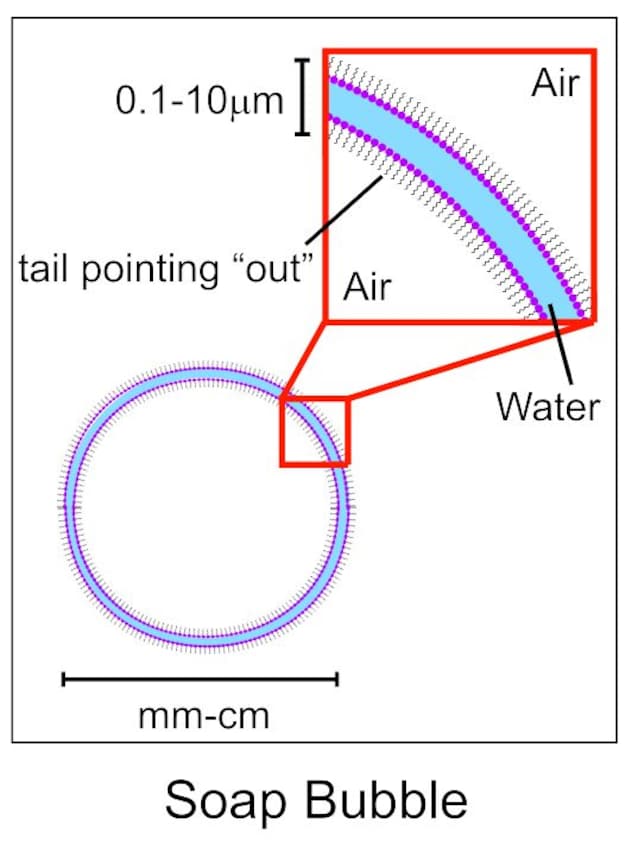
If you don’t want to try too much, there are several specific detergents on the market, very similar to normal kitchen soaps, inside which there are surfactants able to incorporate dirt molecules. They are formed by heads hydrophile (i.e. related to water) and hydrophobic tails (which “hate” the water) and have a circle around the fat particles to take them away when we shutter with water.
The heat also does its part
As for the oven, even in this case we can use the heat To help us clean. The fat solidified on the barbecue due to heat and subsequent cooling, can soften if he warmed slightly and become easier to remove. In fact, it may be advisable to clean the grid when it is still warm, just finished eaten, or use hot water and soap.
Let’s dispel the myth: vinegar and bicarbonate do not work
Historically, the best known “home remedy” was the association between baking soda And vinegar, But in reality it is not a valid method for cleaning. The first is a weak base, the vinegar instead contains acetic acid: When we mix these compounds together, we get the classic effervescence From school experiment, this at first sight may seem like a sign of effectiveness. In reality, the two ingredients are neutralize with each other, with a classic acid-base reaction in which sodium acetate, water and carbon dioxide (CO2)responsible for the effervescence we observe.
The incrustations of the grid from a chemical point of view
A steak is nothing more than a muscle: inside, in addition to the fibers that allow movement, there are also other specific cells, such as those that store lipids, what we call in common language fat of meat. When the meat is exposed to high temperatures, for example on a grid or alive flame as in the case of the barbecue, the fat melts and drips down. In contact with the incandescent surfaces of the barbecue or directly with the embers, this fat undergoes real chemical transformations.
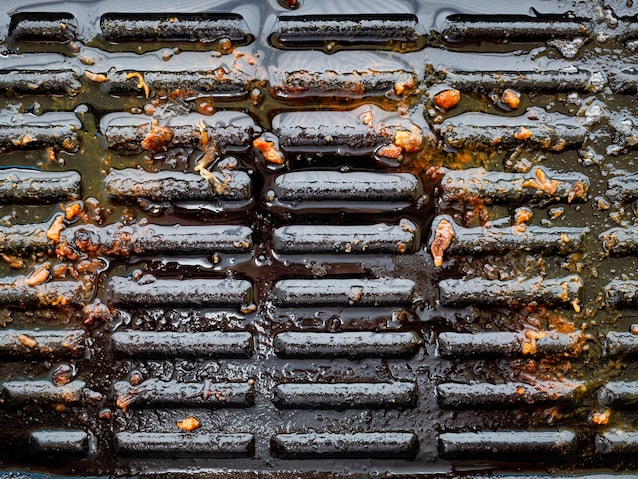
The triglycerides, lipids made up of the union between a glycerin molecule and three fatty acid molecules, first meet one ‘oxidationand then to one polymerization: the molecules are combined forming longer and more complex chains, for this reason the fat does not remain liquid, but becomes one viscose and sticky substancewhich tends to adhere to the metal surfaces of the grid. The extreme temperature then leads to a further phase, the pyrolysis, That is, the decomposition of organic substances (such as triglycerides) following exposure to heat. During this reaction the lipid molecules are transformed into Polycyclic aromatic hydrocarbons (IPA) and other by -products of combustion: part of these compounds fly away with smoking, part instead is deposited Going to constitute the black and hard crust that we all know and that is more difficult to remove.
However, the incrustations are not simply oxidized and polymerized fat, but they also contain other components such as protein and sugary residues: for example, the products of the famous can be formed Maillard reaction or other results of the interaction between sugars and proteins, which can give rise to other reaction such as glying, forming the so -called Final products of advanced glying, AGES (Advanced GLYCATION End-Products).
The encrusted fat: a precious resource for technology
If for us grid is a sworn enemy, the encrusted fat of the barbecue is not to be completely demonized: according to what is reported by a study published on Scientirectdomestic waste fat can represent a starting material to summarize carbon nanomaterialsconsidered fundamental today for technological innovation.
