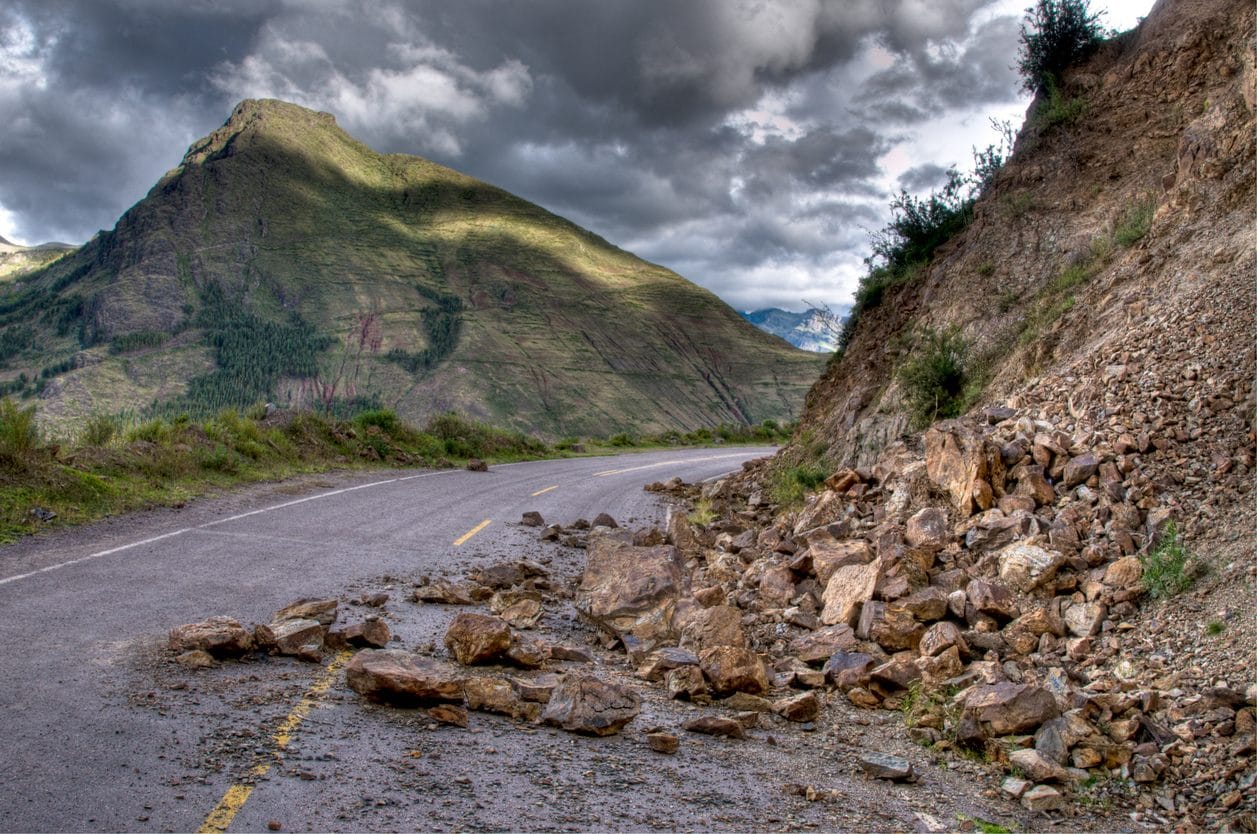
In recent decades, extreme natural events As floods, landslides, drought and heat waves have become increasingly frequent and intense, both in Italy and in the rest of the world. The impact of these natural catastrophes, moreover, is amplified due to the way we built and managed the territory: uncontrolled urbanization, soil consumption, poor maintenance of infrastructures… and the damage, unfortunately, are under our eyes. To protect our environment and the communities that inhabit it, therefore it is essential to adopt a proactive approach, estimate and based on solid scientific evidence. In this perspective, the Return-Multi-Risk Science for Resilient Communities under a Changing Climate, a strategic initiative at national and European level, created precisely to face environmental risks in a coordinated and innovative way.
What is the Return project
The Return project is an extended partnership financed with PNRR funds (National recovery and resilience plan) in the context of Nextgenerationau. The project, led by the University of Naples Federico II, involves 26 partners (including 12 universities, 5 research bodies, 6 private companies, 2 territorial bodies and the Department of Civil Protection) and has as its objective the strengthening of the ability to monitoring, forecast and integrated management of risks on both local and national scale.
How the multiplick approach for prevention works
One of the most innovative aspects of the Return project is the adoption of the approach “multiplick“: A method that considers not only individual events such as an earthquake or a flood, but the joint managementor the possible combination and interaction between different types of riskswhether they are natural (SISMI, landslides, fires, extreme meteorological events) or anthropic (industrial accidents, pollution, infrastructure stress). This aspect is essential to plan more targeted and effective interventions e reduce the consequences of calamitous events. Sometimes, in fact, the events can be independent (for example a flood during a pandemic), while other times they can take place in cascade (when a calamitous event triggers others, for example a landslide or a tsunami triggered by an earthquake).
In addition, the approach adopted by this project promotes the integration of skills multidisciplinary scientific: and this is how geologists, engineers, climatologists, sociologists and risk communication experts work side by side, sharing data, models and knowledge. In fact, theintegration between meteorological and environmental forecast models it can particularly improve the water management In urban, industrial contexts, or in the transition areas between marine and river environment.
Moreover, thanks to advanced technologies such as the satellite monitoringi predictive modelsthe Risk dynamic maps And digital platforms, the project is developing useful operating tools for citizens, local authorities and civil protection: come on targeted evacuation plans to educational materials for schools, up to real -time decisions support tools.
What are the benefits of the Return project for territories and communities
Risk management cannot only limit itself to intervention during the emergency, but must be based on one solid planning based on the best scientific knowledge available. In this perspective, the multiplick analysis of the Return project and the climatic data in real time allow us to organize a series of Preventive strategieswho protect people before even the disaster occurs. The project is also even more effective once integrated in the planning of the territoryin urban design and in climate adaptation strategies, to make the the most sure city and infrastructures and more aware communities.
Ultimately, science is not only used to understand the world, but also to change it: research is prevention, and prevention is protection.
