
There is a debate, especially among enthusiasts, according to which the white chocolate it wouldn’t be “real chocolate”. The reason would lie in its composition, very different from that of dark and milk chocolate. The latter in fact contain the whole cocoa massincluding cocoa solids, which give the product its dark color el’bitter characteristic. These components include polyphenols, alkaloids such as theobromine and compounds formed during roasting, fundamental for the typical taste of chocolate.
The white chocolatehowever, is produced exclusively with cocoa buttersugar and milk, and is therefore free of all other components. This is why it is lighter, sweeter and less aromatic. It is precisely the absence of cocoa solids that is at the basis of the idea, widespread especially among those with a more “purist” vision, that white chocolate is not “real chocolate”. From a scientific and legal point of view, however, cocoa butter is a derivative of cocoa and the European legislation officially recognizes white chocolate as chocolate, as long as it complies specific composition requirements.
All about white chocolate
White chocolate vs dark chocolate: what changes
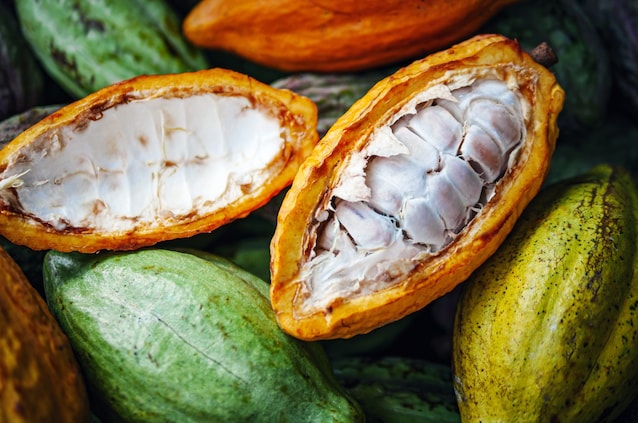
For dark and milk chocolate, all the chocolate is used cocoa mass – obtained from cocoa beans which are fermented, dried, toasted and ground. Instead, for white chocolate it uses exclusively the cocoa butter – the lipid part of the cocoa mass composed of different fatty acidslike thepalmitic acid eloleic acid. The components of the cocoa mass that determine the dark color in dark chocolate are the so-called cocoa solidsi.e. the non-fatty fraction consisting for example of polyphenols, alkaloids natural pigments and products of reactions that form during the fermentation and roasting of beans, such as melanoidins. It is above all the latter that are responsible for the shades ranging from brown to almost black in the various types of dark chocolate. In the milk chocolate the presence of milk partially lightens the color, but the cocoa solids still remain present and visually dominant.
Inside the white chocolatehowever, cocoa solids are absent: the product is obtained exclusively from the lipid fraction extracted from the cocoa mass. Since cocoa butter is naturally clear and free of the pigments and compounds responsible for the dark color, the final product maintains a white tone (or rather, color ivory), further accentuated by the addition of sugar and milk.
Different characteristics and aroma: sweeter and more delicate
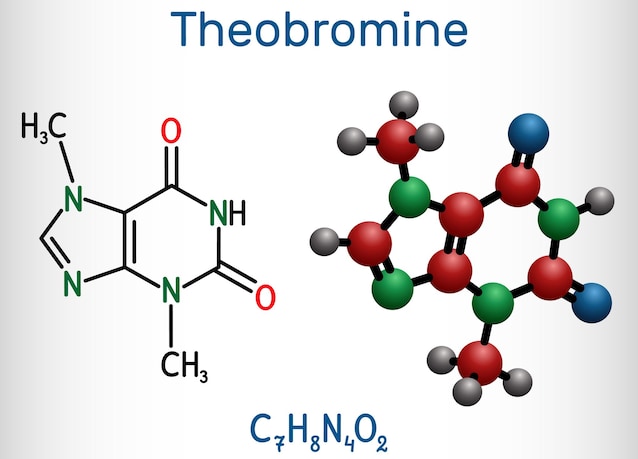
It’s not just a question of color, but also of taste: white chocolate is definitely sweeter and more delicate compared to dark chocolate. The explanation lies once again in the different composition: in dark chocolate (and also in milk chocolate) the presence of cocoa solids makes the taste more intense. Mainly responsible is the theobrominean alkaloid that is part of the group of xanthines (the same one to which the caffeine), which gives the chocolate bitter notes.
In white chocolate, however, the sensorial profile is dominated by cocoa butter, which together with milk and sugar gives notes sweets And creamyvery distant from the intense flavor of theobromine and the other components of the cocoa solids, absent in this type of product.
But is white chocolate real chocolate?
Precisely these differences in composition and aroma are the basis of the debate according to which, for some (experts and otherwise) white chocolate is not “real chocolate”: in fact it contains only part of the cocoa mass, the lipid one, and lacks the fraction that defines the colour, taste and aroma typical of dark chocolate. From the point of view scientific and regulatoryhowever, cocoa butter is in all respects a derivative of cocoa: for this reason white chocolate is considered a chocolate in its own right, as long as it contains at least 20% of cocoa butter, as established in Directive 2000/36 EC of the European Union.
