Although the association between the multiple sclerosis and the Epstein-Barr virus (EBV) was already known, two recent studies have advanced two detailed explanations of the link between viral infection and neurological disease. The research, recently published in the journal Cell and conducted byUniversity of Zurich and of Karolinska Institutet of Stockholm, described the molecular mechanisms through which the virus interacts with the patient’s immune system and genetics to trigger the autoimmune reaction. The discoveries concern the HLA-DR15 genetic apolotype and the phenomenon of molecular mimicry.
What is multiple sclerosis
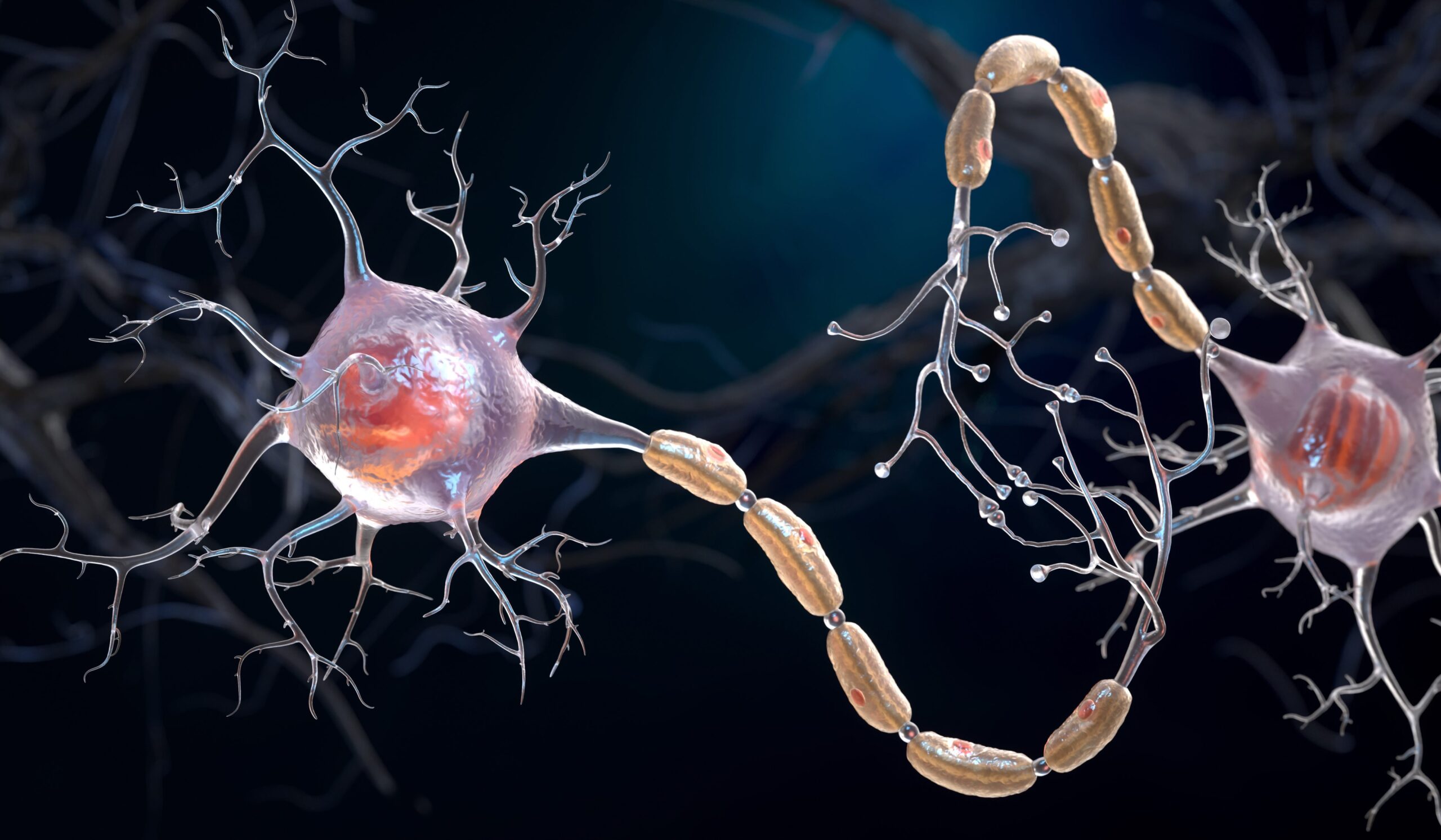
Multiple Sclerosis (MS), as explained byAISM (Italian Multiple Sclerosis Association), is a disease neurodegenerative complex chronic disease affecting the Central Nervous System (brain, spinal cord and optic nerves). It is a pathology autoimmune in which the immune system mistakenly attacks the myelinthe substance composed of lipids and proteins that covers and insulates the nerve fibers of neurons: its role is similar to the plastic sheath of an electric wire. This attack causes the loss of this protection – the demyelination – and the training of scars called sclerosis. The nerve signals that start from the brain are thus slowed down or blocked, causing the symptoms of the disease which can vary greatly from patient to patient.

MS is the leading cause of neurological disability in young adultsonset usually occurs between 20s and 40s and in Italy there are an estimated 144,000 people affected by this pathology. Thanks to the research, thelife expectancy it is now similar to that of the general population, although it remains a chronic condition that accompanies the patient throughout his life. Being a multifactorial pathology, the causes are to be found in multiple elements such as factors genetic (it is not hereditary but there is a genetic predisposition), environmental (geographical position and pollution) e infectious (viruses and bacteria among potential triggering factors).
The study on the role of the Epstein-Barr virus
Two of these factors, genetic predisposition and viral infectionswere the focus of the study by the University of Zurich. Specifically, the role of the virus was investigated by Epstein-Barr (EBV), the Herpes virus that causes mononucleosis – a common disease among young people that often has no obvious symptoms – and the HLA-DR15. The latter is a haplotypethat is, a group of genetic variants in DNA that encode molecules found on the surface of cells and which act as “presentation points” for T lymphocytesthe white blood cells that act as sentinels in our body.
Data reports that almost 100% of MS sufferers have previously contracted EBV and approximately 95% of healthy people are carriers. This last number demonstrates that infection is not sufficient for the development of the disease.
The team led by Professor Roland Martin focused on B lymphocytesthe cells that produce antibodies. The study revealed that the EBV virus infects these cells and “reprograms” them, causing them to expose fragments of the Myelin Basic Protein (MBP) linked to HLA-DR15 molecules. This exposition deceives me T lymphocytes which, recognizing these molecular complexes as a threat, mistakenly activate themselves against the nervous tissue. The result is a direct attack on the myelin sheath in the brain and spinal cord. Progressive damage to this protective layer impairs the ability of neurons to transmit electrical signals, triggering disease symptoms.
«Our findings reveal mechanisms that could be targeted by new therapies» Martin said.
The molecular mimicry hypothesis in multiple sclerosis
Another study led by Olivia Thomas of Karolinska Institutet hypothesized that the problem lies in molecular mimicrya phenomenon that occurs when parts of viruses or bacteria (antigens) resemble molecules present in our body.
The immune system “trains” specific cells, i T lymphocytesto recognize and destroy an enemy. When we become infected with Epstein-Barr, the body produces T lymphocytes programmed to attack a virus protein called EBNA1. The results showed that these same cells can also react with a protein present in our nervous system called ANO2 (Anoctamine-2). This is a calcium-activated chloride channel that may be involved in the transduction and excitation of neurons.

Analyzing blood samples taken from patients and healthy controls it was possible to isolate cross-reactive T lymphocytes capable of “attacking” both EBNA1 and ANO2 with greater frequency in individuals affected by MS. Experiments on mouse models have also shown that these cells can lead to brain damage and MS-like symptoms.
«Our findings provide mechanistic evidence that immune responses to EBV can directly damage the brain in MS», states the first author of the study (associate professor at the Department of Clinical Neurosciences at Karolinska Institutet).
