Faster than a Ferrari and more shooting than a motorboat, in the animal kingdom there speed It is not a sporty performance, but a matter of life or of death. The eternal struggle between prey And predator He pushed the evolution to create “biological machines” capable of reaching speeds that envy our best engineering. Drawing up an absolute ranking in this discipline is complex, as it is necessary to distinguish between the speed on Earthin waterfall and in air. In our ranking we will discover the fastest of each habitat: from Pellegrino hawkthat dominates the skies with beaten to beyond 320 km/hal cheetahwhich starts in the savannah a 120 km/hpassing through the fastest of the oceans and the world of insects.
The fastest animals on the planet
The king of heaven: the pelgin falcon – over 300 km/h
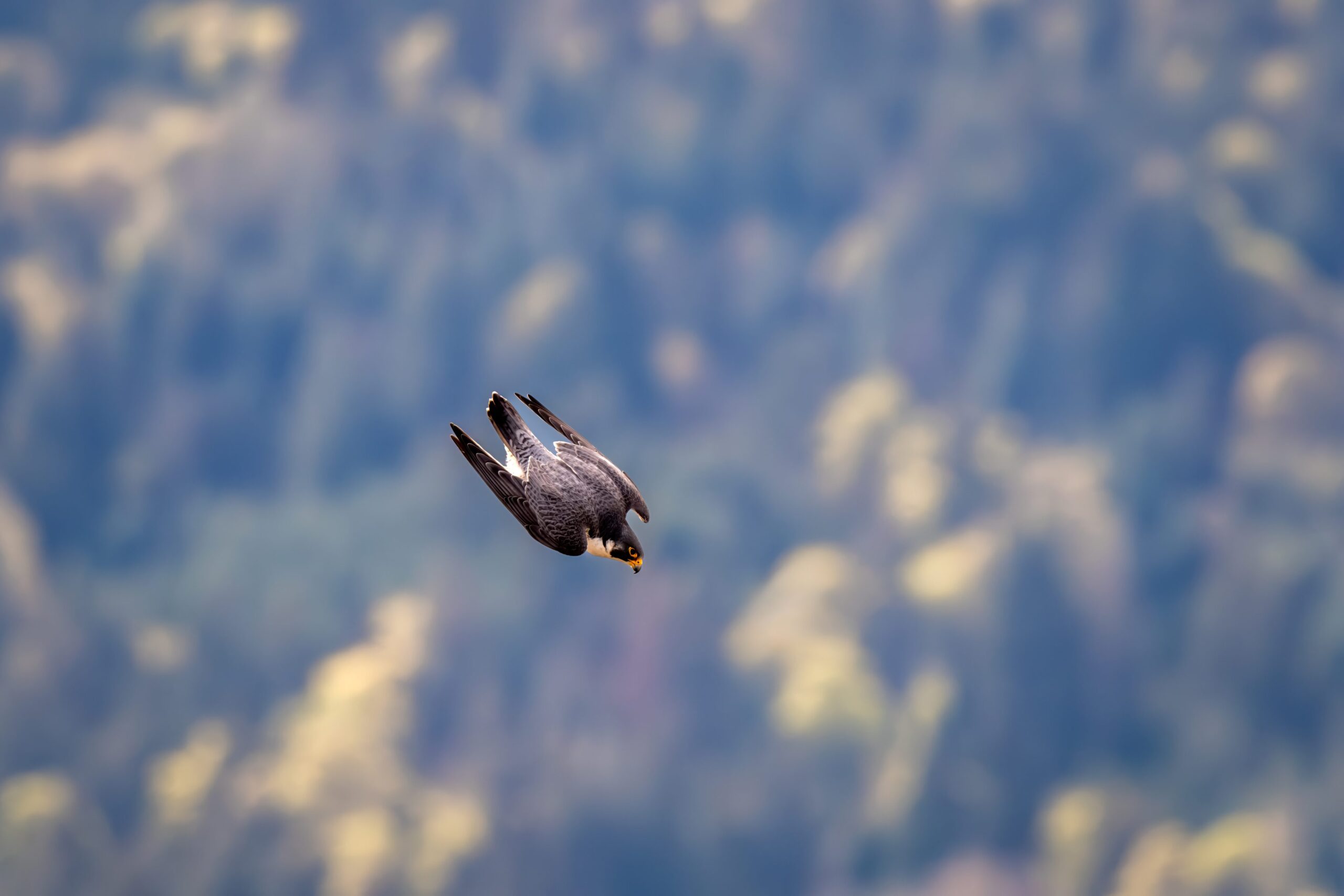
The Pellegrino hawk (Falco peregrinus) is by far not only the fastest bird but the fastest animal on the planet. This bird reaches speeds above 320 km/h in the beaten during hunting and speeds have been recorded beyond the 380 km/hthink that the highest speed ever recorded during a Formula 1 race is 372 km/h established by Juan Pablo Montoya In 2005 in Monza. The pilgrim hawk has a robust and aerodynamic body, with a gray-ardrated plumage on the back and long and pointed wings (Wingspan Opening – 95-110 cm on average). It is a species present in all continents by preferring open rooms with rocky walls for nesting, such as coastal cliffs and mountains. His mainland record is unequaled among mammals, but other sprinters exist in the world of birds, such as ostrichthe fastest runner on the planet, el ‘real eagleamong the dominators of the skies.

The fastest terrestrial animal: the cheetah – 115 km/h
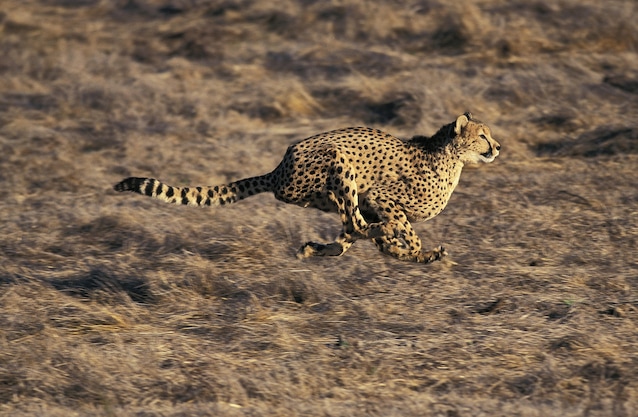
With its slender body with black spots on yellow background, the cheetah (Acinonyx jubatus), is the fastest animal on the stopping earth reaching peaks of speeds above 100 km/hup to about 115 km/h. The even more incredible data is the time necessary for this feline to go from 0 to 100 km/h: alone 3 seconds. To make a comparison, a Ferrari F80 takes us 2.2 seconds. If we want to find a defect in this joke of nature, the ghepardi manage to maintain these speeds only for short distances (about 400 meters) and then have to rest and let the high heart beats reached. This feline, inhabitant of open and dry environments such as African prairies and savannas, has long legs, a flexible backbone, non -retractable claws to have a better grip and a very long tail that acts as a barbell during the race.
The American antelocapra: the prairie marathon runner – 90 km/h
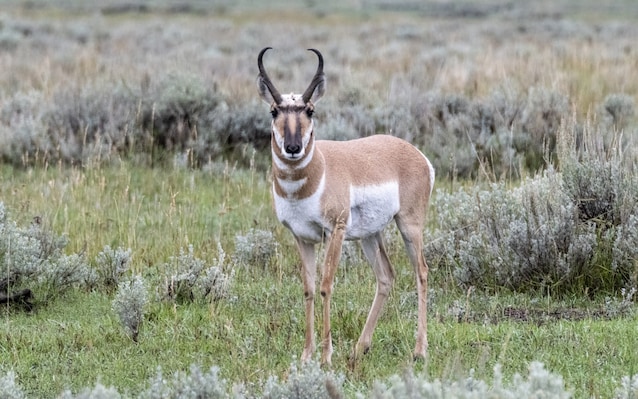
THE’American antelocapra (American antelocapra) does not reach 100 km/h like the ghepardi stopping “only” to approx 90 km/h But unlike the feline, it is able to maintain very high speeds for long distances. Its exceptional resistance is possible thanks to an oversized heart and lungs for the tonnage and hooves capable of cushioning the impacts. The main habitat of the only living member of the ancient family of antelocapridae ruminants are the Praterias and the plains open of North America.
Pacific sail fish: the 110 km/h bullet of the oceans
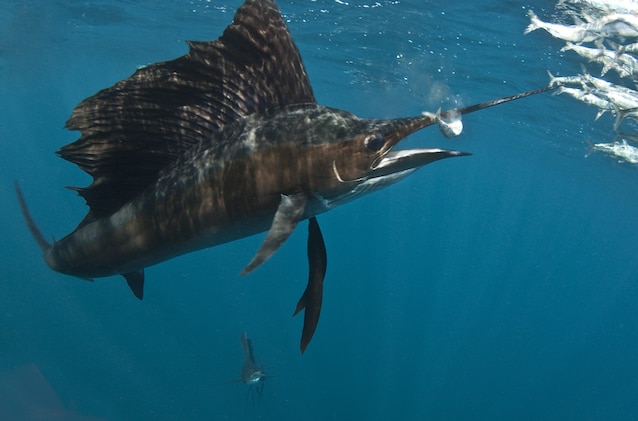
Ocean waters host numerous species capable of reaching phenomenal speeds, although measuring them precisely in such a vast and complex habitat represents a remarkable scientific challenge. The Pacific sail fish (Istophorus Platypterus), in close competition with the Marlin Nero (Installs indicates), seems to be the fastest marine inhabitant on the planet with speed reached around 110 km/hFortunately, there are no speed cameras underwater. The secret of its speed is certainly in the elongated and hydrodynamic body, similar to that of the Marlin, which presents one dorsal fin (the “sail”) fundamental for stability. With its enormous dimensions, too 3 meters long and a weight greater than 100 kgsailing fish swims in the hot and temperate waters of the oceans Atlantic and Pacific.
Libellula: the sprinter of the world of insects – 100 km/h
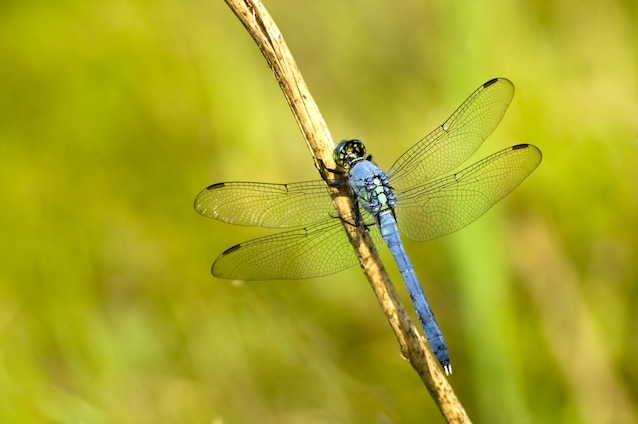
The world of insects is also full of sprinters, but also in this case calculating their maximum speed is difficult because of their small size and lightning movements. There dragonfly (Austrophlebia Costalis) is often considered the fastest insect of the planet, with shots that exceed i 50 km/h and can reach the 100 km/heven if i Tafani they challenge it closely with some data that record higher speeds even to 140 km/h. The speed sample in relation to one’s own size is the Coleottero Tigre of the Carabidae family, able to run at a speed of 2.5 m/s. The secret of the rapidity of the dragonfly lies in his Four independent wingswhich guarantee it an unparalleled agility and flight power. With a wing opening that can overcome the 10 cmLibellula is a formidable predator who lives near ponds and streams all over the world.