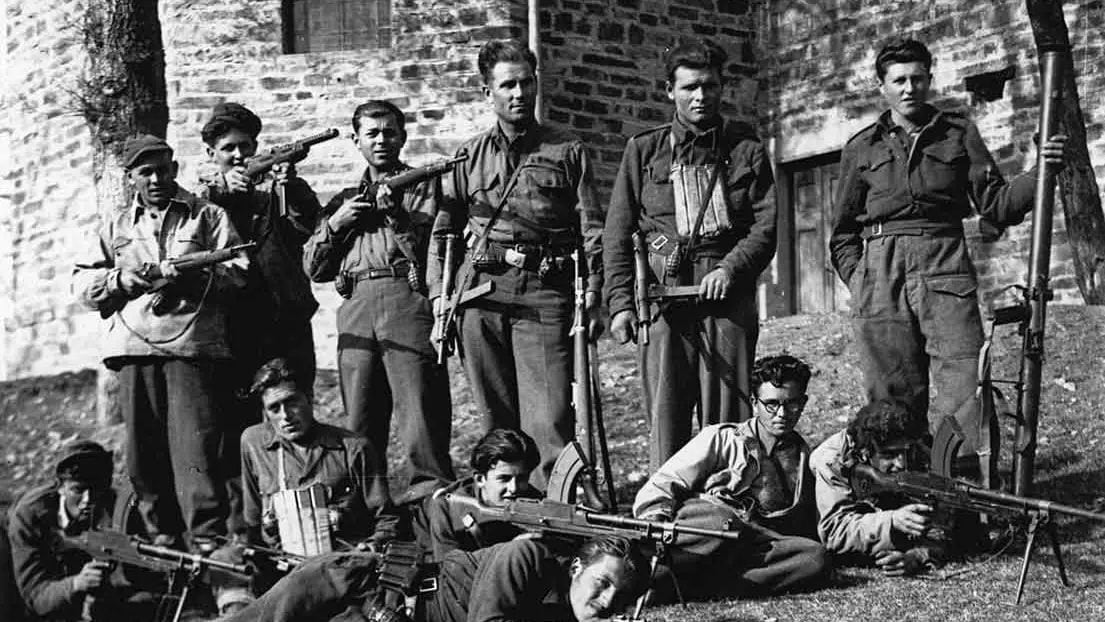
During the Second World War, they participated in the Italian Resistance between 15,000 and 20,000 foreigners (out of a total of approximately 240,000 estimated partisans) belonging to different nationalities: the most numerous were the Yugoslavs and the Sovietsbut there were also Americans, Englishinhabitants of other countries in the Commonwealthindigenous people of Italian colonies in Africa, and even some Germans. Most of the foreign partisans were in Italy because they were detained in camps prisoners of war or for other reasons and the contribution they gave to the liberation of the country was significant and demonstrates how the Resistance was a liberation movement from international character. Moreover, in addition to the foreign partisans in Italy, there were thousands of Italians who fought in the liberation movements of other countries.
The Italian Resistance of 1943-1945
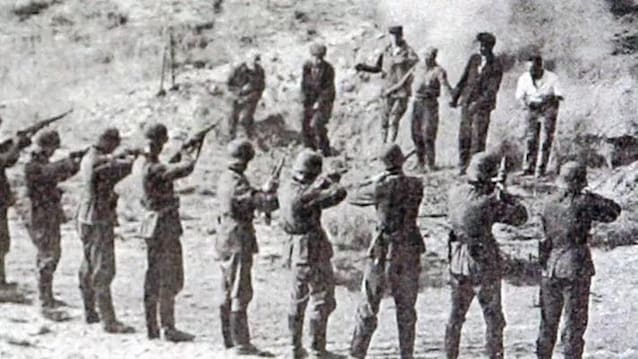
The Resistance, as we know, developed after the armistice of8 September 1943because a part of the country was occupied by the Germans with the support of the fascists, who established a puppet state, the Social Republic Italianin the Central-Northern regions. CSR was led by Mussolinibut the real holders of power were the Germans, who acted with great brutality against Italian citizens, carrying out massacres and other crimesand for this they attracted the hatred of a large part of the population.
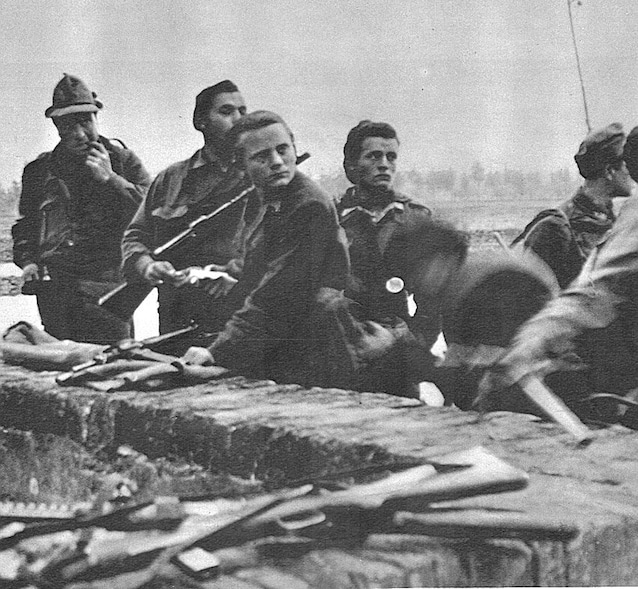
The Resistance was a very composite movement. First of all, it developed in different forms: alongside the armed resistance, put in place by partisan bands, there were Italians who opposed the occupation with the passive resistancedisobeying the orders of the Nazis, others who served support for the partisansstill others that participated in the riots in their citiesas in Naples on the occasion of the Four Days, still others that they chose to do interned in Germany and remain in prison rather than wage war on the side of the Nazi-fascists.
Furthermore, among those who were active in the Resistance – both armed partisans and others – there were people belonging to various political ideologies: communists, socialists, liberals, monarchists, Catholics, anarchists, etc. Therefore, the motivations that pushed these people to fight against the Nazi-fascists were also heterogeneous: some just wanted to restore the country’s honorlost due to the alliance with Nazi Germany; others desired the return of freedom after twenty years of fascist dictatorship; still others meant defend the Kingwho had dismissed Mussolini on 25 July 1943; still others expected that resistance would emerge social revolution or that at least the material conditions of the population would be improved.
The number of partisans cannot be precisely defined, also because it varied over time. At the time of liberation, on April 25, 1945, by most estimates they were approximately under arms 200,000 men and women; many others joined the final insurrection, which took place on April 25. The number of those who supported the partisans “from the outside” or practiced forms of passive resistance is naturally much larger.
The contribution of foreigners to the Italian Resistance
Numerous foreigners also participated in the Resistance. Most of them were located in Italy at the time of the armisticefor various reasons, and decided to join the partisans. Again, the precise figure is not known, but it is estimated that the foreign partisans were around 15,000-20,000belonging to over 50 nationalities.
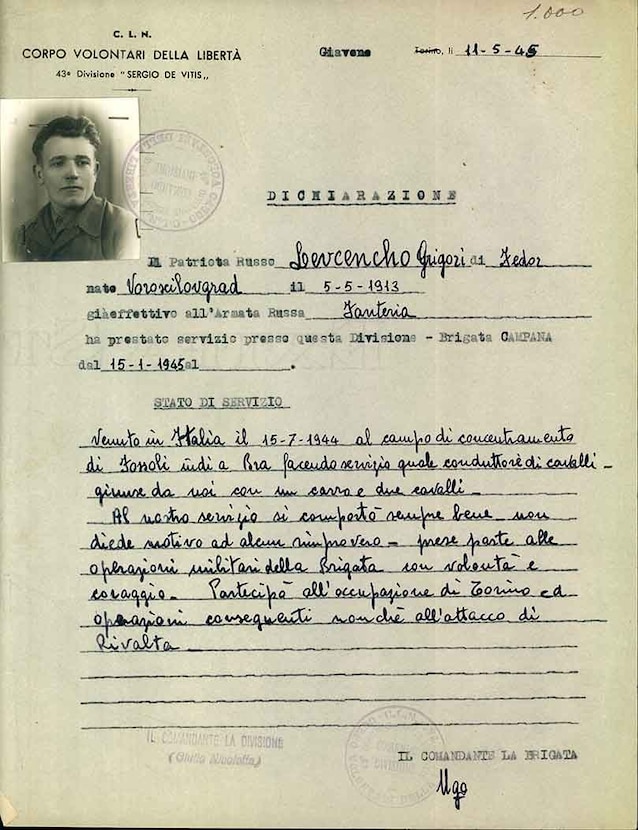
Among them were numerous citizens ofSoviet Unionwho were prisoners of war or had joined the German army (during the war there were Soviet units that fought alongside Germany) and had later repented. Among them there were not only Russians, but also members of other nationalities of the Soviet Union: Ukrainians, Moldovans, Armenians, Azeris, etc.
There were also numerous Yugoslav partisans, A country in which a vast Resistance movement was active, capable of liberating the country from the Nazi-fascist occupation without the arrival of armies from outside, present above all in the north-eastern regions. Yugoslavs – belonging to different nationalities: Serbs, Slovenians, Croatians, etc. – were probably the larger group and the one with the most casualties: it is estimated that the partisans in arms were several thousand and that 175 of them died in combat. Some partisans then came from others Central and Eastern European countries: Czechoslovakia, Hungary, Poland.
Among them some were originally from United States, United Kingdom and Commonwealth Countries (Indians, South Africans, Australians, New Zealanders), detained in prison camps in Italian territory. Most of them were able to escape after the fall of fascism or after the armistice and some, thanks to the help given to them by Italian citizens, managed to reunite with their armies of origin, while others joined the Resistance.
They also fought in the Italian Resistance some Germanswho had defected and decided to take up arms against Nazism. There was no shortage of Austriansoriginally enlisted in the German army (Austria had been annexed by Germany in 1938), but later active in the Resistance, especially in the border regions. Other partisans came from Northern European states occupied by Germany, such as the Netherlands and Denmark.
Some partisans came from Italian colonies in Africa: Libya, Eritrea, Ethiopia and Somalia. Others were originally from Dodecanese islandswhich were part of the Kingdom of Italy from 1912 to the Second World War (and today belong to Greece), and of Cyprus. Still others were born in Latin America and they were in Italy for various reasons: among them there were Peruvians, Puerto Ricans, Costa Ricans, belonging to other nationalities.
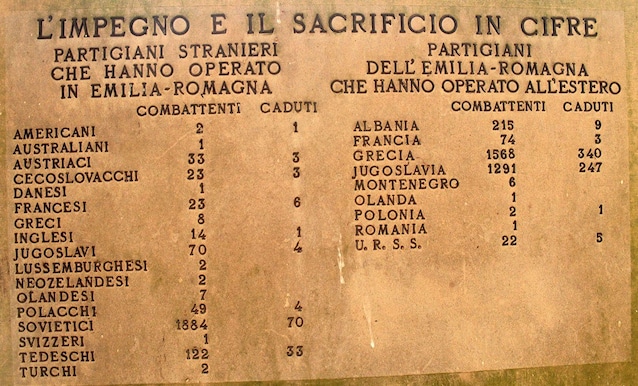
Foreign partisans fought in numerous Italian regions and made an important contribution to the liberationsometimes paying with their lives. Today many gravestones remember their deeds. Moreover, the presence of thousands of foreign partisans is further proof of the plurality of motivations that animated the women and men who fought against Nazi-fascism. For decades, the history of foreign partisans was practically ignored and only a few years ago a “rediscovery” began, with the publication of historical essays and popular articles on the subject.
Italians in the liberation movements of other countries
Just as many foreigners fought in Italy, in the same way there were numerous Italians who took up arms against Nazism in other countries. In some cases, it was soldiers who were abroad at the time of the armistice and joined local resistance movements, as happened in Greece, Albania and other countries. In other cases, partisans were active abroad migrants or refugeeswho had moved abroad, such as France and Belgium. Still others yes joined the Yugoslav partisans in border areas.
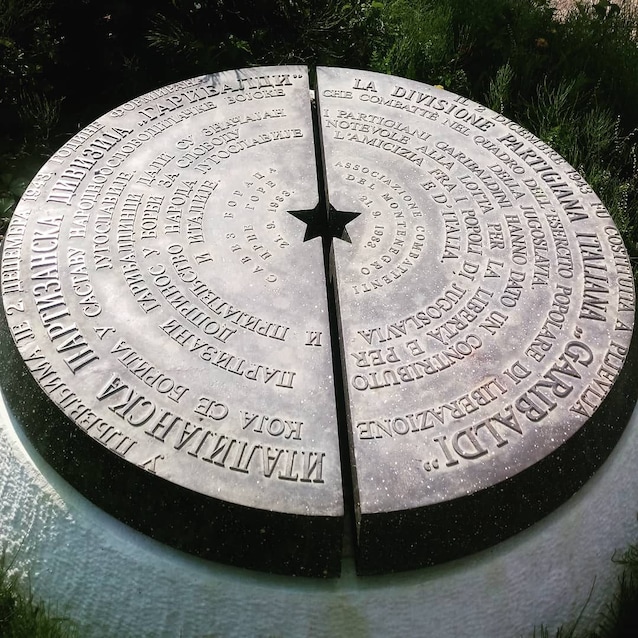
The Resistance was, in many respects, a international movement whose aim was fight for freedom both in one’s own country and abroad, against fascism and Nazism.
