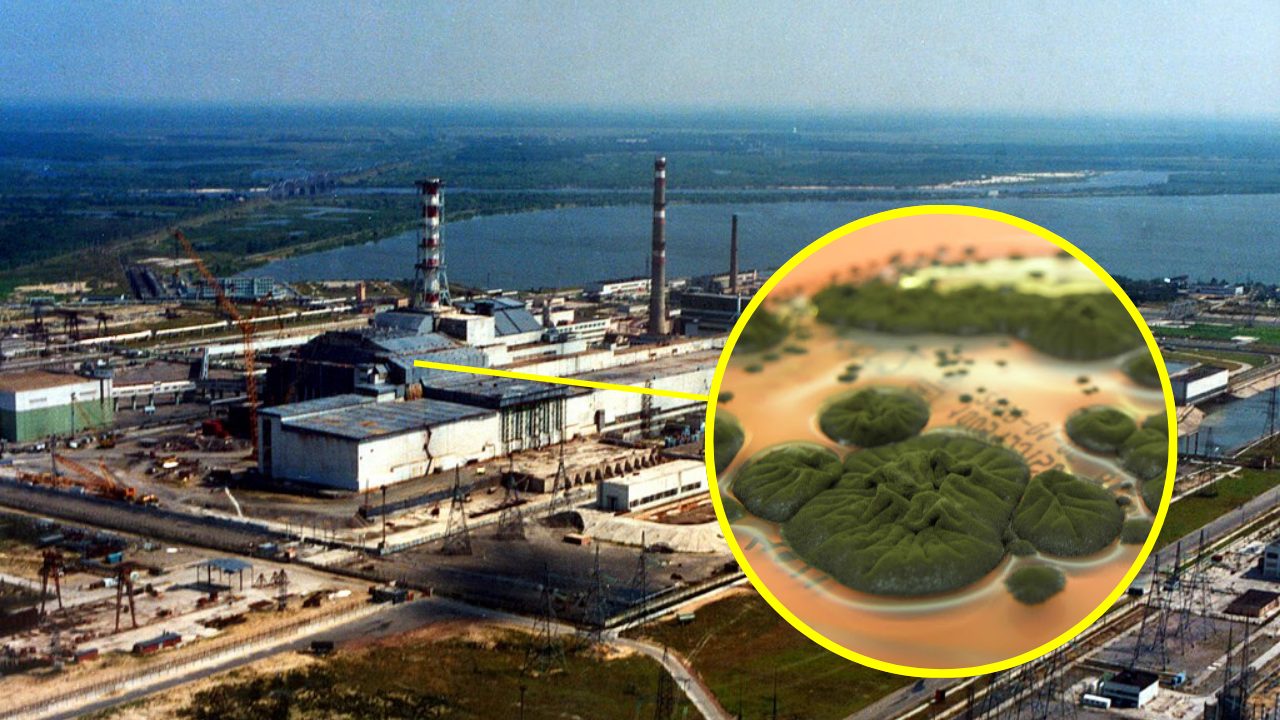
In the heart of Chernobyl Exclusion Zoneinside the infamous Reactor 4, protagonist of the 1986 nuclear disaster, in the 1990s, a black mushroom (Cladosporium sphaerospermum) capable not only of surviving at very high levels of ionizing radiationbut even to proliferate precisely thanks to them thanks to a pigment that we human beings also have (la melanin) thanks to an interesting phenomenon called “radiosynthesis”.
This species, studied in depth by the nuclear scientist Nelli Zhdanovait seems to be literally “attracted” by radioactive sourcesprecisely because this mushroom needs it to live. With the “radiosynthesis” or “radiotropism”In fact, in practice, the mushroom uses thegamma ray energy produced by nuclear reactions to fuel its metabolism, in a process similar to that of photosynthesis in plants. Plants use the chlorophyll – pigment that gives the characteristic green color – to transform the sunlight in chemical energy while these fungi could achieve the same result using another pigment, the melaninand gamma rays.
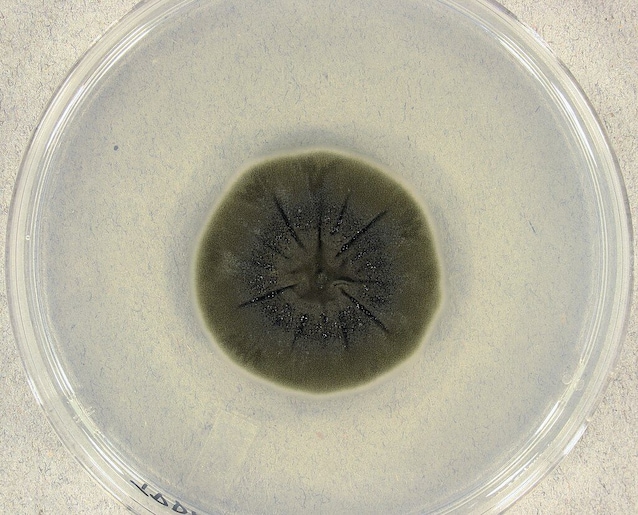
That’s right, melanin – the same pigment present in ours skin which protects us from UV rays – seems to be the key to everything. This mushroom is very rich in it and gives it its typical black colour. The pigment plays a vital dual role:
- Energy converter: captures radiation and uses its energy for growth. Studies have shown that the Cladosporium it grows faster in the presence of radiation than in a normal environment although the underlying mechanisms are still to be clarified.
- Protective Shield: protects the fungus’ DNA from damage caused by radiation, which would otherwise destroy the genetic material and proteins.
This ability to adapt has attracted the attention of NASA. Space, in fact, is a hostile environment bombarded by cosmic rays (high-energy particles), which represent one of the greatest health dangers for astronauts on long-term missions. A good part of cosmic rays is absorbed by our atmosphere, but space is rich in them.
To test its potential, the mushroom was sent on International Space Station (ISS). The results showed growth 1.2 times faster compared to controls and a reduction in radiation levels. However, the reasons behind this accelerated growth are yet to be defined with certainty. Although melanin and “radiosynthesis” appear to play a key role, it cannot be ruled out that weightlessness too (microgravity) helps to stimulate its development.
These results are promising in the space field and open the way to the fascinating – and almost science fiction – possibility of creating real self-regenerating “bioshields” to be used for protect future space bases.
