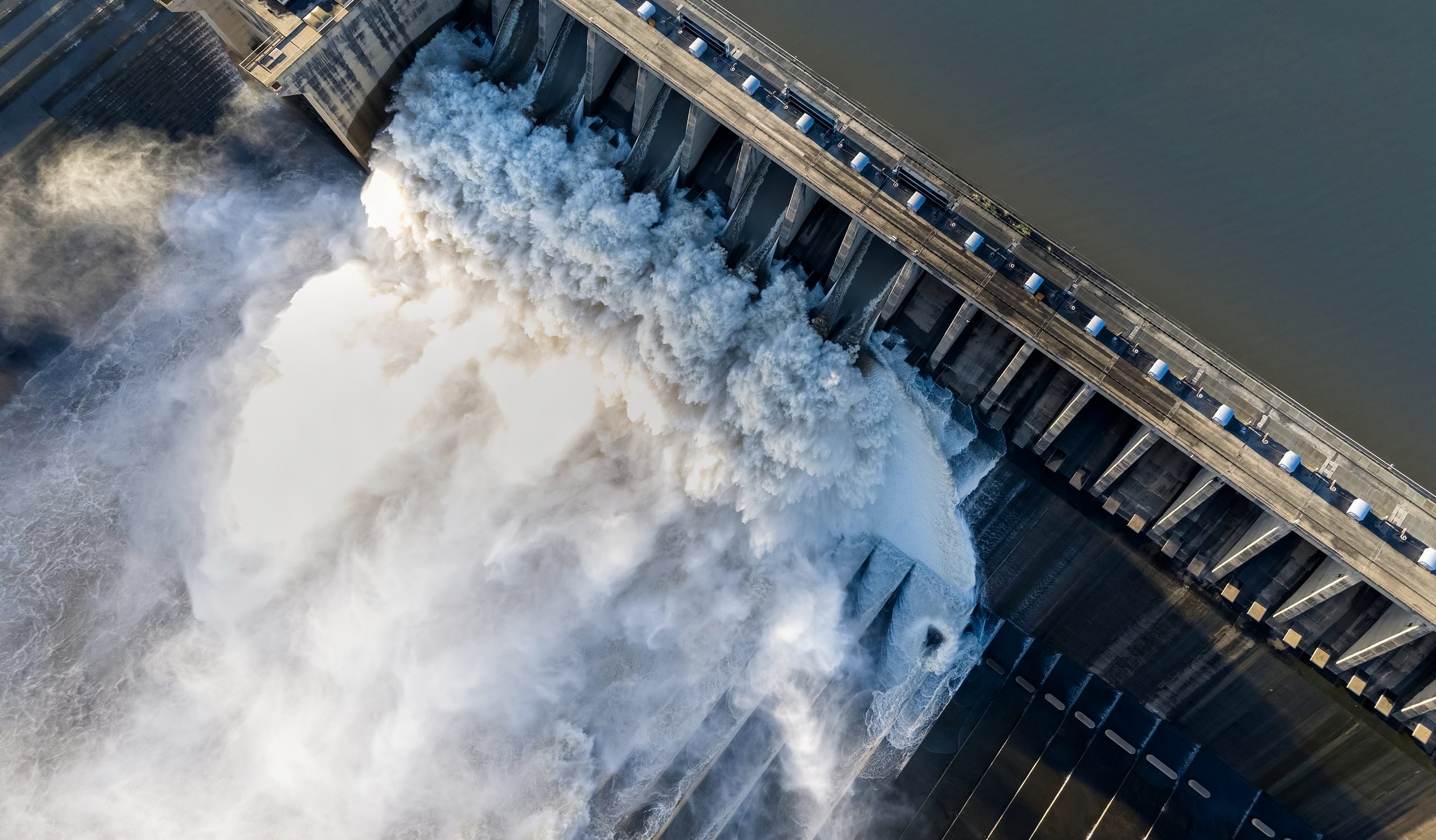
THE’Upper Siang Multipurpose Project (also known as Siang Upper) is a truly titanic response by India to the energy and geopolitical challenge among the peaks ofHimalayas. Located in the north-eastern state of Arunachal Pradesh, it will dam the Siang River and is set to become the largest hydroelectric power plant in the entire Indian subcontinent. This mega-infrastructure was created with a dual objective: on the one hand, generate enormous quantities of clean energy And ensure stable water resources for agriculture local; on the other, to act as a real strategic “shield” to counter the colossal water projects that China is building upstream, just across the border.
Project description Upper Siang Multipurpose Project in India
Located in one of the most extreme and inaccessible regions in the world, with an expected installed capacity of 11,000 MWwill surpass the current Indian record by more than five times, positioning itself as one of the largest energy infrastructures in the world. The real beating heart of the entire project is, in fact, a dam with a height of well 300 meters and will dam the Siang River (the Indian stretch of the Yarlung Tsangpo). The resulting reservoir, therefore, will have an impressive capacity: well 9 billion of cubic meters of water. Full capacity operation will be achieved around 2032.
The economic impact of the giant hydroelectric plant
From an economic point of view, the construction of a mega project of this scale required a considerable initial investment 13 billion dollars. In addition to energy generation, the project has vital strategic value: it acts as a “shield” against China’s plans to build a mega-dam 60,000 MW in Medog, just over the border, which we have already talked about here. Furthermore, the creation of a storage of 9 billion m3 of water is able to guarantee the population located downstream a constant supply of water, which is fundamental in a rural and agricultural area.
Furthermore, the State will receive the 12% of the energy produced freeequal to approximately 1,320 MWimplementing the local economy through the sale of electricity surplus and the creation of several thousand jobs in the construction, maintenance and basin-related tourism sectors (water sports and river transport on a basin over 120km).
The environmental impact
The environmental impact of the work must also be considered, of fundamental importance. From an environmental point of view, the project presents itself as a pillar of the strategy Net Zero of India, with a saving of 32 million cubic meters of CO per year2 released into the environment every year. But not all that glitters is gold: in fact, the creation of the enormous aquifer basin requires the flooding of an enormous area of Himalayan forest, with serious consequences for some animal species that are already heavily at risk of extinction, including the clouded leopard and the Indian black bear.
The impact is not only closely linked to the environment, but also has consequences from an anthropological point of view. One of the main problems concerns the resettlement of the indigenous communities of the ethnic group Adi: the project could in fact involve the flooding of traditional agricultural land and potentially affect population centers such as Yingkiong. To mitigate the impact, the government is working on major or plans protection of biodiversity in collaboration with the Mouling National Park, constantly seeking a compromise between the national need for clean energy and the protection of an ecosystem and culture that is thousands of years old.
