
We all have it at home, in the belief of the kitchen or in the pantry, but many perhaps do not know how it is done and how it acts from a chemical point of view. The baking soda It is a basic compound that, dissolved in water, increases the pH and can neutralize acids. Ingested, reacts with the stomach hydrochloric acid temporarily alleviating gastric hyperaciditybut excessive use can cause alkalosis and electrolytic imbalances. In the kitchen, it works as a rising agent: in contact with acid substances, such as yogurt, free co₂ which makes the mixture soft. It is also a abrasive delicateuseful for cleaning surfaces and neutralizing acidic smells, but has no disinfectant properties. In the oral cavity, rinse with bicarbonate raise the pH and contrast the action of cariogenic bacteria, but do not replace antibacterial mouthwashes. Used directly on the teeth can damage the enamelwhile in industrial toothpastes its abrasiveness is controlled.
Use, benefits and risks of bicarbonate
A remedy against gastric hyperacidity
Sodium bicarbonate (Nahco3) is a Basic saltbut what does it mean? In chemistry, a mixture defines itself as basic When, dissolved in water, it is able to increase the pH of the solution, making it less acidic. But there is more: basic compounds, such as baking soda, can react with acids giving rise to the so -called neutralization reactions. In these acid and base reactions they neutralize each other, producing water and a salt.
For example, when we drink a glass of water and baking soda, this reaches our stomach where it is able to react with thehydrochloric acid (Hcl) of gastric juices:
Nahco3 + Hcl → nacl + h2O + co2
This reaction temporarily neutrally neutralizes gastric hyperaciditycharacterized by a feeling of burning to the stomach. But be careful: does not help digestion, That process of “breakdown” of nutrients that takes place in the stomach. The acidity of the stomach is fundamental for digestion, so if we make the pH more basic with baking soda, we are actually slowing down digestion. It is therefore a antaciduseful when it is produced too much hydrochloric acid in the stomach, but It is not a digestive.

However, it is necessary to be careful not to overdo it: various cases are known in which people who have ingested large quantities of sodium bicarbonate have been hospitalized due to alkalosis (dangerous raising of the blood pH, which becomes too “basic” compared to normal) or electrolytic decompensationor alterations of the blood levels of fundamental minerals such as sodium and potassium. An overdose of baking soda can also cause muscle pain, headache, tremors And nausea.
An ally in the kitchen for leavenings
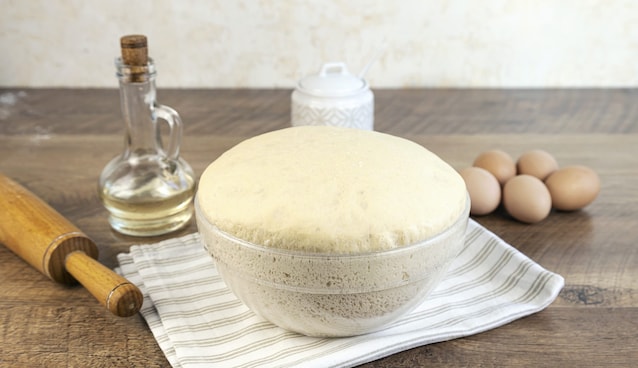
Bicarbonate can be used in oven preparations such as leaning agentbut it needs help, or rather, of a colleague, that is, an acidic compound. We saw a little while ago that in contact with acidic substances the free bicarbonate carbon dioxide (Co2) Gassosa: if so while making a cake we mix it together with acid ingredients (such as yogurt or lemon juice) we can take advantage of this property to our advantage. The bubbles of Co2 which develop following the reaction They make the dough more soft and voluminous.
For cleaning, remove stains and smells
Sodium bicarbonate is a abrasive delicate: its crystalline solid particles can remove dirt, incrustations And superficial spots without scratching too much the surface we are trying to clean. Furthermore, its basic nature allows you to neutralize the acids responsible for bad smellsalways thanks to the acid-base reaction previously described.
Traditionally, sodium bicarbonate is used at home to wash fruit and vegetables, it is in fact very useful for Eliminate solid surface residues. But be careful: bicarbonate has no disinfectant propertiesthis means that It is unable to kill possible pathogenic microorganisms who contaminate food.
Oral hygiene but attention to do it yourself
The custom of doing is quite widespread Rinse and gargarismi with baking soda and water. The reason is always to be sought in the basic nature of bicarbonate, thanks to which it temporarily raises the pH of the oral cavity by creating an environment capable of neutralize the acid compounds produced by some bacteria, like it Streptococcus mutansamong the main responsible for the formation of caries. Important to underline how this practice cannot replace the real antibacterial mouthwashes prescribed by dentistsfor example those based on chlorhexidine: the latter is a compound bactericidequite different from sodium bicarbonate which is only able to create an unfavorable environment for some bacteria.
Always talking about oral cavity, online there are some tips on how to use the abrasive activity of baking soda on the teeth to remove surface spots and obtain a “whitening” do-it-yourself effect. Attention: this can be highly harmful For the enamel of the teeth, because the kitchen bicarbonate has too large granules and can damage the enamel! The case of the industrially formulated toothpastes Which contain bicarbonate: here granulometry and concentration are controlled, making abrasiveness much safer and more compatible with everyday use.
Sources:
