You’re watching GeopolitiX Don’t miss out on more content from Geopop

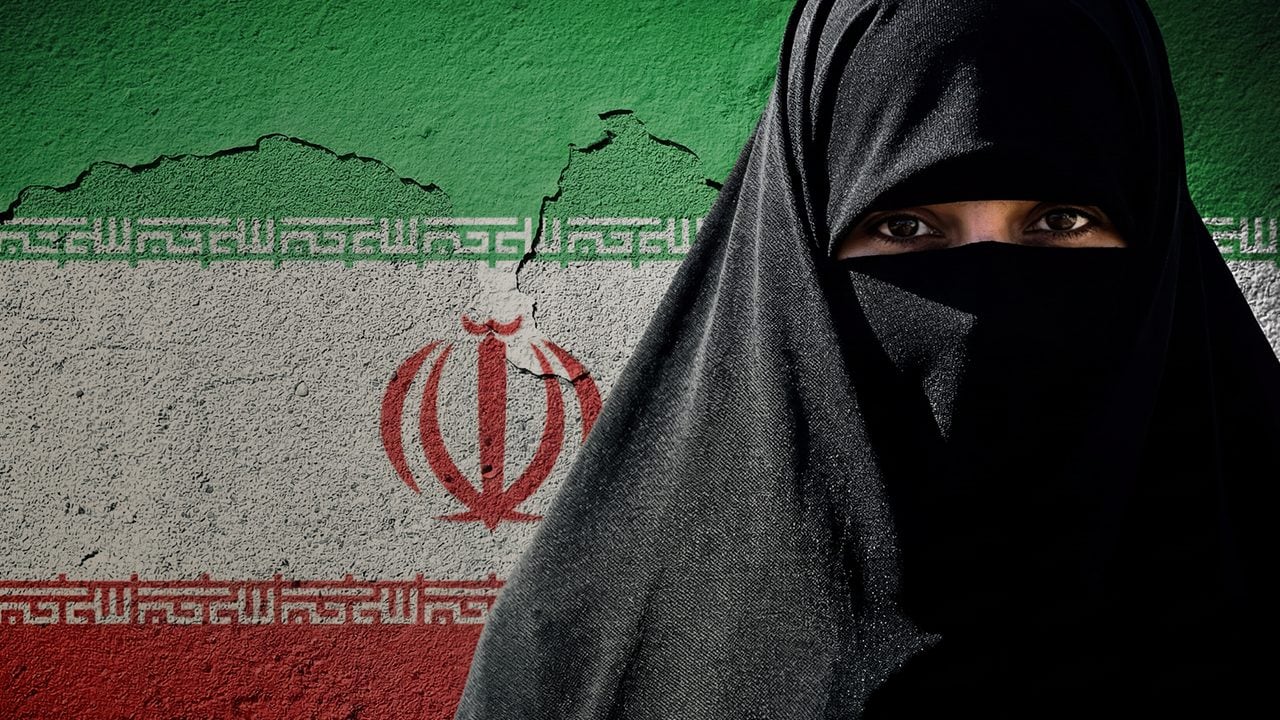
The protests in Iran have reached a dramatic scale, with thousands of deaths across the country and a very harsh repression by the Iranian security forces, which also includes a total Internet blackout. These protests, which began on December 28, 2025, are the culmination of a crisis that has lasted for years and which is suffocating the Iranian population under the weight of the regime ofAyatollah Ali Khameneieconomic dependence on China and the so-called snapbacks – the restoration of sanctions – by the United Nations after the “12-day war” against Israel last June.
In this context Donald Trump is considering intervention in Iran in support of the demonstrators against the regime: for now, however, the risk of an imminent attack by the USA appears to have been averted.
How power is organized in Iran: from the monarchy to the Supreme Leader
Even if Iran has a President (today Masoud Pezeshkian) and a Parliament elected by the people, the real head of the country is Ayatollah Ali Khamenei, the unelected religious “Supreme Leader” who has the final say on everything, from defense to nuclear power, including who can run for President of the country.
The regime of the ayatollahs was established in 1979 at the end of Islamic Revolutionwhen the monarchy of the Shah Pahlavi (allied to the West and pro-American, although it was also in fact an authoritarian regime responsible for serious crimes). Iran thus became the anti-US theocracy we still know today, with the veil required for women, the Morality Police and a structured system of censorship and repression. The first ayatollah was Khomeiniwhose death in 1989 succeeded Khamenei who is still the current Iranian supreme leader.
How We Got to the Protests: The UN Snapback and Dependence on China
After an economic crisis that began in the Covid era, the situation in Iran collapsed in 2025 until reaching acurrent inflation above 40% and a vertical loss of value of rialthe local currency. Currently, 1 dollar is worth over 1 million rials.
To understand why, we must go back to last June, when following the bombing by the USA of the sites of the Iranian nuclear program, the country interrupted relations with the International Atomic Energy Agency, thus causing the restoration (snapbacks) of the sanctions suspended in 2015, voted by Great Britain, France and Germany in the UN Security Council and made official from 28 September 2025.
The economic consequences of the snapback were devastating for Iran, to the point of tightening one close trade relationship with China for the sale of Iranian oil. The Asian superpower acquires from Iran approximately 90% of its oil production (about 1.5 million barrels per day) at low cost or in exchange for technology in a sort of barter. China, having thus become the true economic lung of Iran, effectively controls it economically, with a dynamic that some consider neo-colonialist.
This brings us to December 28, 2025. The population has lost its purchasing power, trade collapses, hunger spreads and protests against Khamenei’s regime explode, which to date have reached all 31 Iranian provinces. Protests in which Pahlavi is praised (“Pahlavi is coming back”) and the return of the monarchy.
The main US interest in overthrowing the Ayatollah is that if Khamenei falls, oil supplies to China would be interruptedputting the Asian country in difficulty from an energy point of view.
