
There Damnatio Memoriae (condemnation of memory) is the cancellation of memory of a person or, more rarely, of whole movements and political ideas, through the destruction of all the testimonies and documents concerning the “condemned”. There Damnatio Memoriae has been applied in many ancient civilizations and has perhaps reached maximum diffusion at the time of Ancient Rome. Of the contemporary age, forms of Damnatio Memoriae were applied to some men and political movements, for example to dictators after they were ousted from power. Similar, at least in part, to the Damnatio Memoriae It is the Cancel Culturewhich causes bright ethical and political debates.
The origins of the Damnatio Memoriae
There Damnatio Memoriaewhich literally means “condemnation of memory”, is the cancellation of the memory of a person or a group of people (for example, a political movement). Consists in thedelete each document – written, figurative or of any kind – whether “speaks” of the person or group of convicted people. The expression Damnatio Memoriae It is relatively recent, having been coined only in 1689, but the practice of canceling the memory of certain people was very widespread already in the ancient world.
A form of Damnatio Memoriae It was applied in Mesopotamian civilizations and ancient Egypt. The best known case concerns the Faraone Akhenatelived in the 16th century BC, famous for trying to change the Egyptian religion and introduce monotheism. After his death, the priests and the new rulers restored traditional religion and ordered the destruction of temples, statues and reliefs that depicted him.
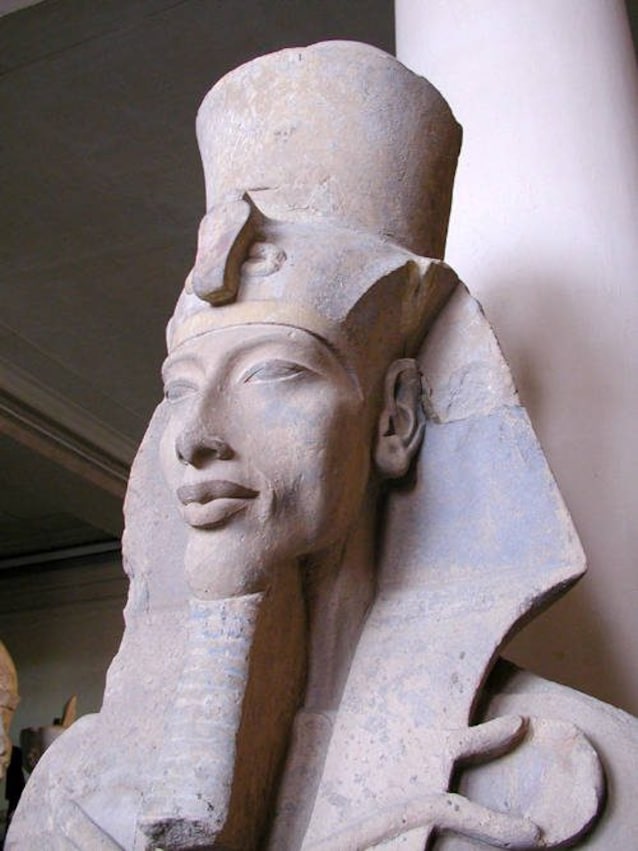
Also in theAncient Greece It was common to destroy statues and registrations related to people who, for some reason, were considered public enemies.
There Damnatio Memoriae in Rome
There Damnatio Memoriae It was widely widespread in the time of ancient Rome. Sometimes the sentence was inflicted by the Senate with a specific provision and consisted of ban on passing on the name of the condemned and in the destroy all testimonies. For example, the face of the condemned was eroded in figurative works, including bas -reliefs and coins, which depicted it. Who violated the Damnatio Memoriae he risked being put to death.
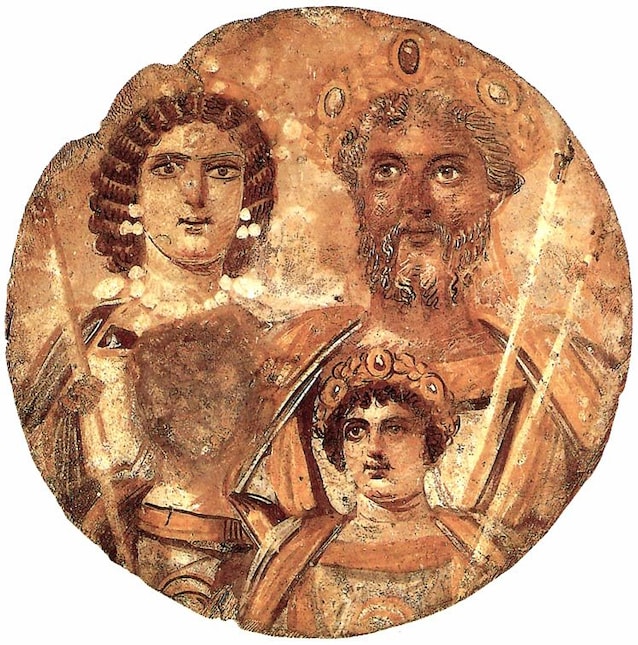
In the imperial age were affected by the Damnatio Memoriae Numerous emperors, fallen out of disgrace after death. One of the most famous cases concerns Geta, Caracalla’s brother. After the death of the Father Septimius Severusthe two brothers reigned together for a few months, but in the year 211 Caracalla had Geta killed and decreed it Damnatio Memoriae. Geta’s face was eliminated by the pictorial and sculptural works that depicted it and the name was canceled by the registrations, for example by that of theArco di Settimio Severo in Rome.
The cancellation of the memory from the Middle Ages to today
There Damnatio Memoriae It was also applied in the Middle Ages to some characters who entered into contrast with the authorities. In contemporary era, however, it was no longer inflicted as a criminal conviction, but it was used, to a certain extent, in occasion of the political revolutions. For example, in many cases, when after the collapse of the dictatorships, they were the statues of the dictators demolished.
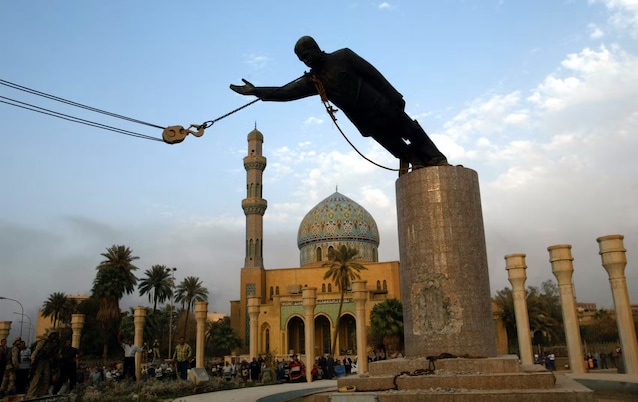
Such a phenomenon also occurred in Italy after the fall of fascism, although a part of the symbols of the regime remained standing.
A particular case concerns the Soviet Union of Stalin. The dictator took power after a tough fight against other managers to become a leader in place of Lenin, who died in 1924. His most tenacious rival was Lev Trockijwho had played a leading role in the October Revolution. After Stalin had taken power, he made sure that the name of Trockij was not remembered and even the photographs in which he appeared next to Lenin were retouched to eliminate him. The same fate touched other political managers.
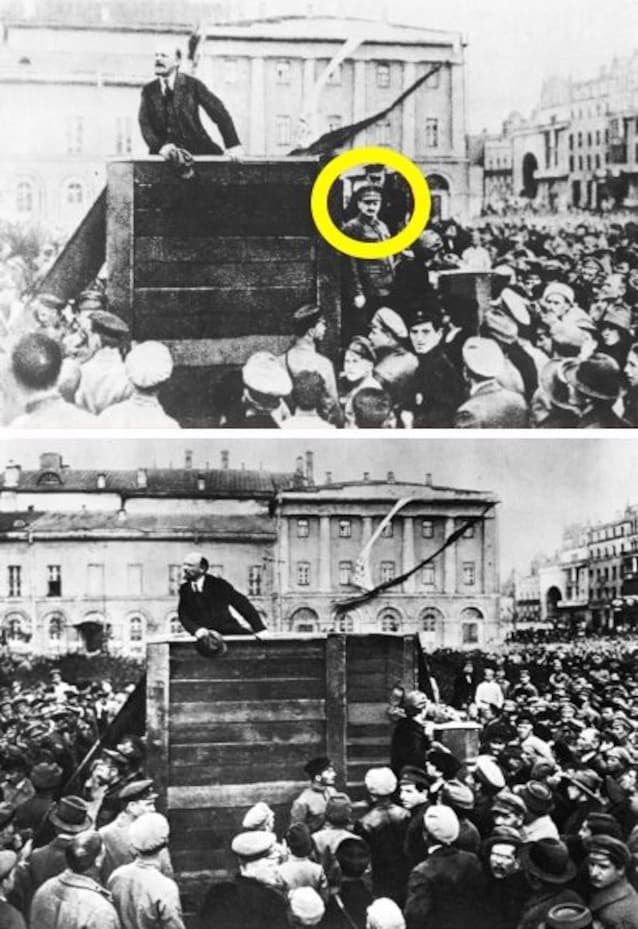
After death, however, Stalin also suffered a sort of Damnatio Memoriae And many statues and works that depicted him were demolished.
There Cancel Culture
Sometimes it is considered as the current version of the Damnatio Memoriae there Cancel Culturethat is, the boycott applied to people judged negatively for their behavior. There Cancel Culture It is a complex and difficult to define phenomenon. In general it indicates the “exclusion” or the ban of people, works or ideas, often following the pressure of public opinion. A decisive role in this process is played by social media. An example concerns the film producer Harvey Weinsteinwhich in 2017 was accused of sexual harassment by numerous actresses. On the wave of popular indignation, Weinstein was expelled from the Academy of Motion Picture Arts and Sciences (the organization that, among other things, assigns Oscar prizes) and many of his projects were canceled. Although Weinstein’s expulsion can be shared, on many other occasions there Cancel Culture It can be based on not unique judgments and cause moral and political debates.
