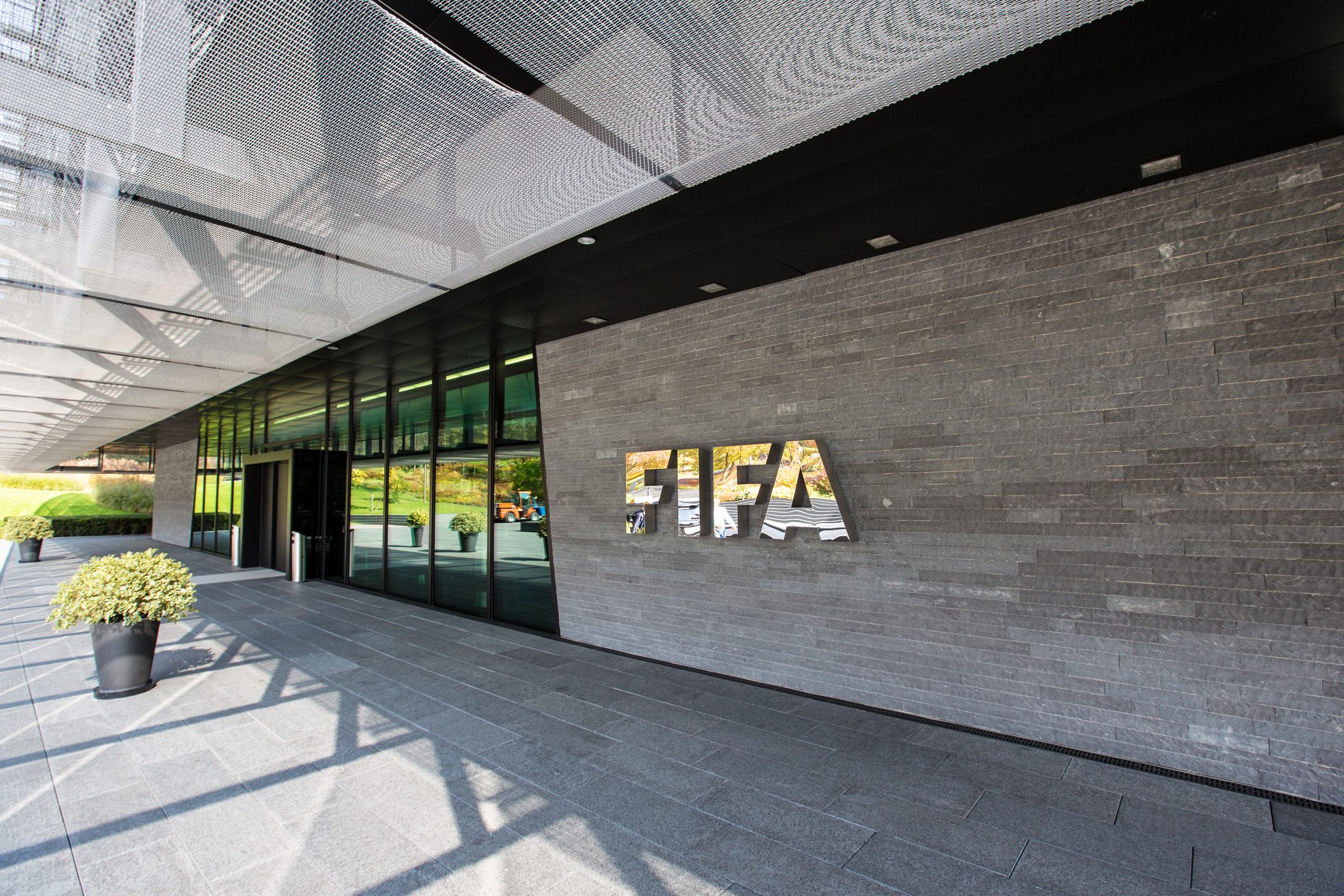
Fifa, UEFA, FIGC: acronyms that sports enthusiasts feel often named, but what is their exact role and how do they interact with each other? The world of soccer It is not governed by a single entity, but by a system in which each organization has specific tasks worldwide, continental and national level. While the Olympic Committee (CIO) holds the ethical values, the Fifa governs the development of sport worldwide, with UEFA And FIGC who organize European and national competitions in detail.
Bodies that govern football in the world
The International Olympic Committee – that is
The IOC, born in 1894 based in Lausanne, is the supreme authority of the entire Olympic movement. Among its functions we recognize coordination, dissemination and respect for the values dictated by Olimpism, the organization of sports competitions and Olympic games – through collaboration with international and national organizations – and the promotion of sports ethics. As a supreme authority, the CIO recognizes i National Olympic Committeeslike the Cones in Italy, and some International Federationslike the Fifa In the specific case of football.
In fact, the FIs are non -governmental organizations that aim to administer one or more sports worldwide. Their actual recognition (provisional for an initial period) takes place only following the application of the Anti -doping code and to compliance with the Olympic card.
The international level: FIFA
There Fédération Internationale de Football Association (FIFA) It is the international football federation, 5 -a -side football and beach soccer. It was founded in 1904 and is based in Zurich. As its main role is to ensure and promote the development of one’s sport all over the world in compliance with the rules established in its statute and through the organization of reference competitions (for example World And Club World Cup). All this is carried out taking into account the provisions of the Olympic paper and the IOC. With reference to the Olympic games, however, each FI (therefore also FIFA) establishes its admission criteria and has the responsibility of providing assistance and technical direction. Inside, FIFA is organized in some organs: the legislative power is exercised by Congress, executive from Advise, while at the General Secretariat administrative tasks are up. There are, then, of the Permanent commissions (like the disciplinary or ethics) and ad hoc who have the role of advising and assisting the committee in the exercise of its functions. The President Gianni Infantino is currently in office.
The associations belonging to the same continent, moreover, have formed the following Confederations recognized by FIFA:
- Confederación South American de Fútbol – Conmebol
- Asian Football Confederation – AFC
- Union des Associations Europénes de Football – UEFA
- Confédération Africaine de Football – Caf
- Confederation of North, Central America and Caribbean Association Football – Concaf
- Oceania Football Confederation – OfC
UEFA represents the community level
As far as we are concerned, therefore, the next step in the hierarchy is represented by Union des Associations Europénes de Football or UEFAfounded in 1954 and operating in Nyon. As easily intuitive, the objectives of the organization, currently led by Aleksander Čeferin, are the promotion, management and control of European football. In order to achieve these purposes, it also guarantees the organization of community competitions (such as the Champions League).
Even in UEFA we find a well -defined internal organization which, in addition to Presidentincludes: the Congress (body of supreme control), the Executive committee they Organs for the administration of justice.
The belonging to UEFA, net of some exceptions, is reserved for National football federations located on the continent, based in a country recognized as independent of the majority of members of United Nations. These, only after the definitive acceptance by the congress, are responsible for football activities in their territory of competence.
National level: the FIGC
There Italian Football Federation or FIGC (based in Rome) is the association of clubs and sports associations that pursue the aim of practicing football in Italy, is affiliated to the CONI, FIFA (since 1905) and, therefore, to UEFA (since 1954).
In his work, in harmony with the principles dictated by all hierarchically “superior” organizations, he promotes and regulates Italian football, taking care of international relations, protecting the objectives of the technical school and youth nurseries and medical-sports health. As a national sports federation, he administers from a technical, organizational point of view and regulates the people, alloys and competitions of their competence. Its organization is slightly more complex than the other views before. We find, in fact: theAssembly, the President (Gabriele Gravina) and the Vice-president, The Committee, The Federal CouncilThe General secretary and the College of auditors.
The entire coordination of world football rests, therefore, on this pyramidal structure. In addition, all the organizations described above must submit to others values and principles – those proper to the Olympic card – not directly related to the technical football aspect, but of fundamental importance for the development of world sport. Among these: the peace, education, absence of any form of discrimination and the fair play.
