
The mosquitoise They sting, suck blood and above all transmit diseases: It would not be better if they disappeared from circulation? Usually, the disappearance of a species causes negative imbalances, sometimes irreparable, in theecosystem in which he lives. But curiously (and even if not everyone agrees with these conclusions) the mosquitoes would be aexception: apart from a few birds and fish that feed on it, it seems few species would make it lack if they came out of the day today. Furthermore, Only mosquito males contribute to pollination of some plants, which however could rely on other insects for their reproduction.
The mosquitoes, in addition to bothering, are the most dangerous animals for our species, responsible for beyond 1 million deaths per year Due to the diseases that transmit – from malaria, to Zika and West Nile Virus. Figures that have pushed many experts to ask themselves what would happen if they extinguished or if they were completely eradicated. We would certainly save human lives, but we should evaluate what would be the consequences for the ecosystem. In Italy and in the world, mosquito eradication projects are being carried out, such as the Stopigre project in progress since 2015 in Procida and which has recently received UNESCO patronage, and the World Mosquito Programwhich made it possible to reduce Dengue’s incidence in some population through genetically modified mosquitoes.
The role of mosquitoes in ecosystems
The species of mosquitoes There are over 3500 And of these, only 200 punish the human being: volatilize from today such a quantity of species would certainly have a negative impact on global ecosystem. Or not? In 2010, the magazine Nature He asked precisely this question to entomologists and ecologists, with conflicting and unexpected responses. In theory, the disappearance of a single species, let alone thousands, tends to cause a domino effect And completely unbalanced the balance of an ecosystem. Yet according to the experts interviewed, except for some dissonant opinion, the mosquitoes would be an exception to the rule.
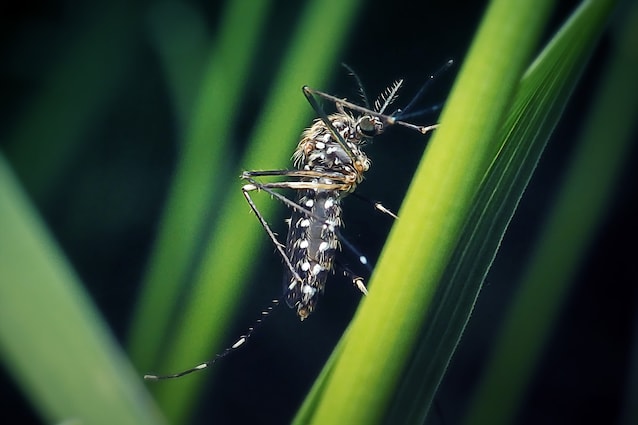
Like many flying insects, mosquitoes also play a role in theplants pollination – in particular the males, who do not feed on blood but of nectar and lymph of plants. But there are very few plants that benefit from mosquito pollination, and none of these seems to be in a manner obliged: In these cases, plant and insect have coexized for pollination and if the insect disappeared the plant could no longer reproduce. On the contrary, while the disappearance of bees or other pollinators would be one catastrophe For the reproduction of the plants, the pollination made by the mosquitoes could be carried out by Other insects that would go to occupy the ecological niche to their disappearance.
What are the animals that depend on the mosquitoes
The impact of the disappearance of the mosquitoes would be affected more in the Arctic tundra, From Canada to Russia: this is where species adapted to the cold as Aedes Impiger And Aedes Nigripes they explode in considerable numbers to the dissolution of the snow, creating shamans that act as an important Power source for migratory birds in an area with scarce food resources. But some ecologists, always interviewed by Naturethey believe that this importance is overestimated, and that other suckish insects of the arctic areas (such as the midges, present in Iceland) could make up for the food needs of migratory species.
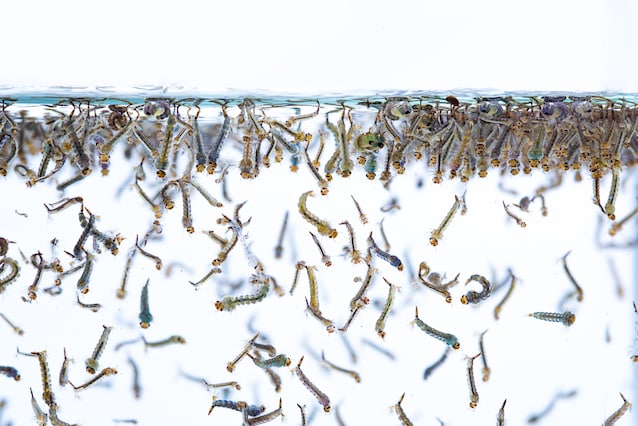
In the rest of the world, mosquitoes represent an important but not fundamental component of the Insectivorious animal diet. They represent, for example, just the 2% of the bat dietwho prefer the most gluttonous carpets. The eggs and larvae of mosquitoplaced in the water, are very welcome to different species of fish fresh water: among these the Gambusia, Gambusia Affinis, which is often introduced into ponds and artificial lakes just like mosquito disinfestation measurement. If the mosquitoes disappeared, these animals would certainly lose a source of supply, but the ecological niche left free would soon be occupied; In addition, a study published on Zoological Studies In fact, he showed how the Gambusie seem prefer larvae of other fish to those of mosquitowhen both are present.
Even if the scientific community has not totally agreed in this regard, and it is Impossible to foresee what would happen in detail, It therefore seems that, after the initial blow, the ecosystem is able to recover from this hypothetical disappearance of mosquitoes.
Defeat the mosquitoes producing more
Currently, there is no method to totally eliminate mosquitoes from the face of the earth, and this question therefore remains a simple mental experiment. However, initiatives are underway not to reduce their number, and consequently theincidence of the transmission of diseases through mosquitoes. Some strategies provide for the introduction of sterile males In the ecosystem: an example is the Stopigre project that last year in Procida obtained a 50% reduction of the population of tiger mosquitoes, endemic on the island and which this year obtained UNESCO patronage.
Globally, dr. Scott O’Neill, a scientist who believes that the disappearance of mosquitoes would not represent a big problem for ecosystems, directs the World Mosquito Programcarrying out experiments in 14 countries Very affected by diseases transmitted by mosquitoes, such as the dense fever.
O’Neill’s strategy seems counterproductive: Raise multiple mosquitoes in the laboratory and then release them into the environment. In fact, these are specimens genetically modified To transport the Wolbachia, An harmless bacterium for the human being but who within the mosquitoes in competition with the Dengue virus, preventing this proliferation. The modified mosquitoes are introduced in the wild population: if a male infected by Wolbachia mates with an unfacty female, his eggs will not hatch. If the female is infected, all her eggs will be carriers of Wolbachia: Within some generation, the presence of Wolbachia will be predominant in the population of mosquitoes At the expense of the presence of Dengue. The World Mosquito Program has already obtained promising results in Indonesia (with a reduction in the incidence of 77% within a few months after the release) and in Colombia (94%) – the trials made in Brazil, where the transmission of the Wolbachia It seems to be complicated by the complex urban ecology of the affected areas.
