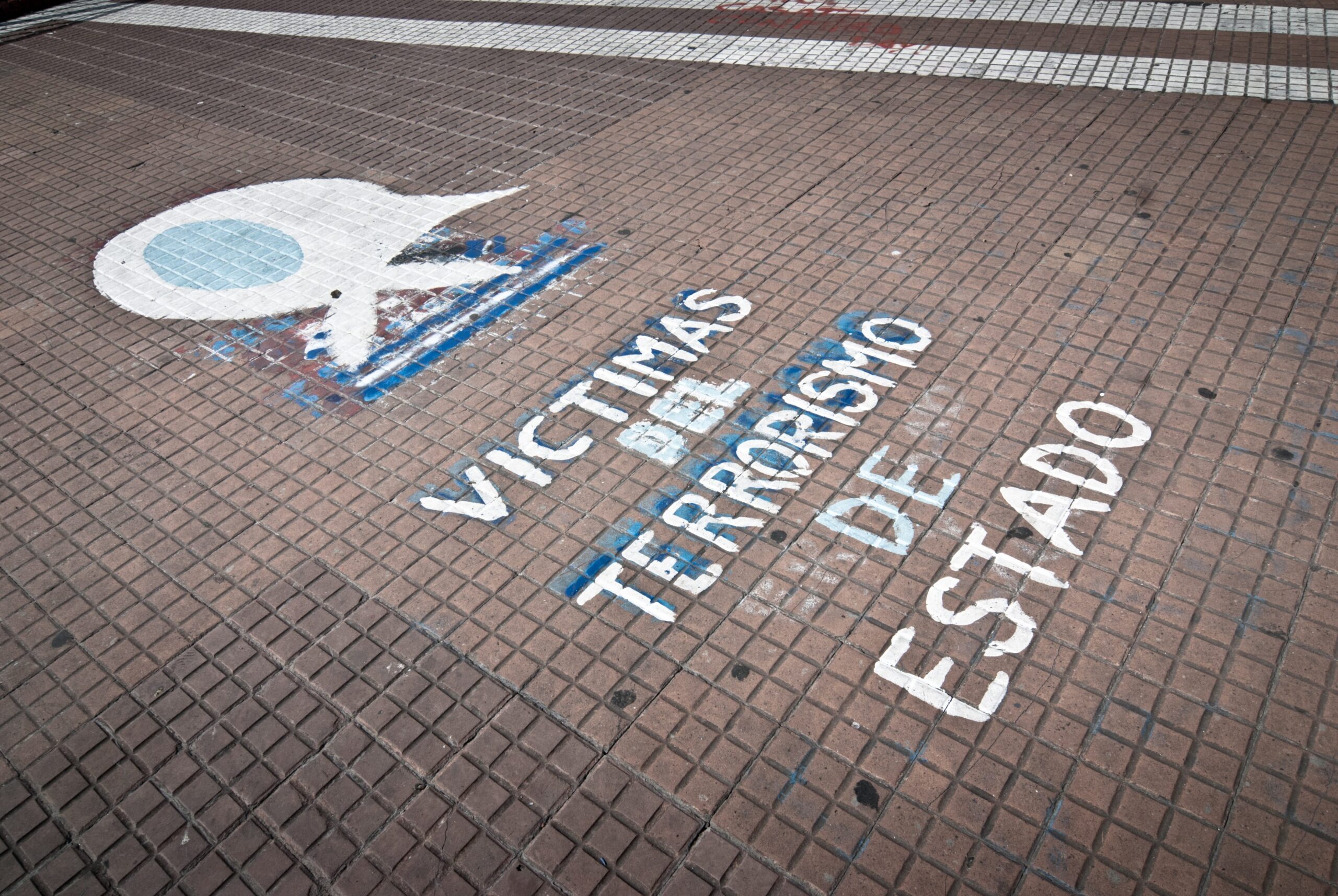
THE desaparecidosSpanish term which literally means “disappeared”, are people illegally arrested by dictatorial regimes and Eliminate extrajudicially. On 30 August the World Day of the desaparecidos established by the United Nations. The bodies of these people are made to disappear and families are given no communication. The regime that has made itself responsible for the largest number of disappearances is the Argentine military dictatorshipin power from 1976 to 1983. The arrests were carried out by paramilitary groups, which generally cast bodies at sea with special Death flights. To investigate the disappearance and protest for the fate of the disappearance since 1977 the movement of the Plaza de Mayo mothers. The Argentine military regime, however, was not the only dictatorship responsible for extrajudicial disappearance. Crimes of the same genre were committed by dictatorship Chilean of Pinochet and from some regimes of other continents. To raise public awareness on the topic, in 2010 the United Nations (UN) established the World Day of the desaparecidoswhich celebrates us every year on August 30th.
The drama and the meaning of desaparecidos
For desaparecidos We mean people made illegally disappeared by the safety forces of a country. The Spanish term desaparecidos literally means “made disappearance” because the verb desaparecer, of which Desaparecido is past participle, is transitive (unlike the Italian verbs “disappear” and “disappear”, which are uncompromising). The arrests of the desaparecidos take place secretly, without being given no communication to family members. The secrecy of detention allows you to exercise any form of abuse and torture on them. After detention, prisoners are almost always eliminated In an extrajudicial way (without a public and regular process). The bodies are then thrown into the sea or disappear in another way.
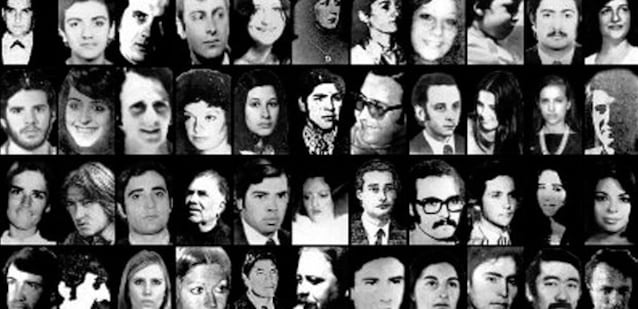
The term desaparecidos refers to the victims of the Latin American military dictatorshipsprimarily the Argentine one of the years 1976-1983, although other regimes have also made themselves responsible for crimes of the same kind.
The desaparecidos in Argentina
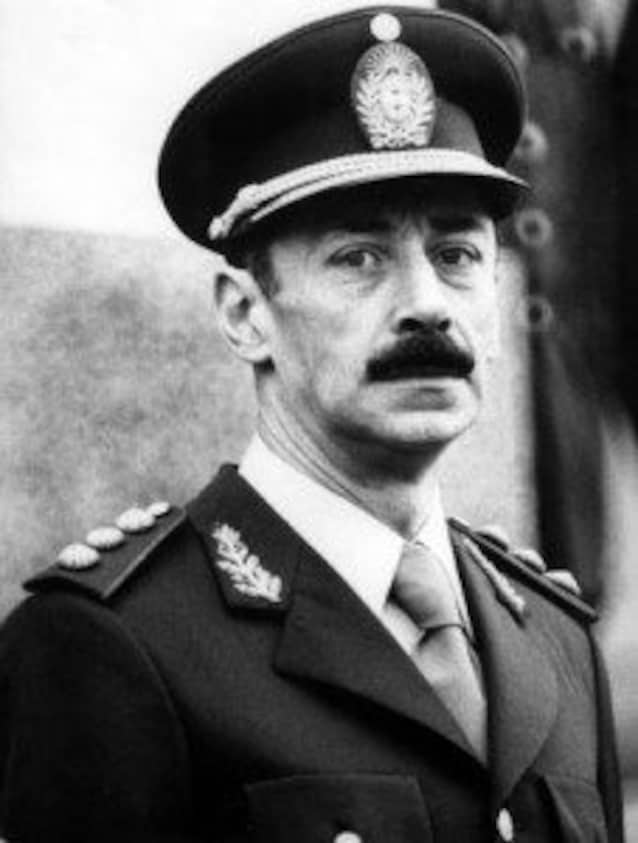
The Argentine dictatorship ascended to power in 1976, when a military coup ducked the government led by Isabela Martinez de Perón (wife of the former president Juan Domingo Perón). Power was taken by a military junta made up of representatives of the various armed forces, including the army general Jorge Rafael Videla It was the most visible exponent. The dictatorship was established in the context of Piano Condoran operation put in place in different countries of Latin America with the support of the United States, which wanted to contrast the presence of progressive parties and movements. The Argentine junta remained in power until 1983, when he was replaced by the democratically elected president Raúl Alfonsín.
In the years in which they were in power, the military operated on one Very hard repression towards members of left movements. The opponents, or the suspects of being such, were secretly arrested by paramilitary groups, locked up in clandestine detention centers e subjected to torturegenerally through electric discharges. Most of the prisoners was then eliminated with the system of Death flights: they were sedated, loaded on a plane and thrown into the Atlantic Ocean after the belly had been opened with a stab wound because the bodies did not go to the surface.
The junta made the opponents disappear, instead of eliminating them in a public and “regular”, for Avoid protests. The military were in fact aware that other repressive actions, such as those that took place in Chile after the 1973 coup d’état, had aroused international disdain and wanted to avoid being in the same situation. Consequently, the government eliminated the opponents of secret and denied being aware of their fate. Only in a few cases the arrested were freed after a period of detention.
To protest against disappearances, a courageous movement was formed since 1977, that of Plaza de Mayo mothersthat is, women who publicly claimed news of their disappeared children, challenging the junta. The movement, although subject to a strong repression, had the merit of bringing the question of desaparecidos to the attention of public opinion. However, only after the return of democracy in 1983 the government recognized that the junta had made thousands of opponents disappear and established a specific Comisión Nacional Sobre la Desaparición de personas in charge of investigate disappearance. The Commission drafted a report, entitled Nunca Mas (never again), who was fundamental for the celebration of the processes against the leaders of the military junta and the managers of the killings. The Commission has identified almost 9000 cases of certain disappearancebut other sources believe that i Desaparecidos were about 30,000.
The Argentine junta also made himself responsible for another type of disappearance: The kidnapping of newbornschildren of opponents, who were then given by adoption to soldiers and members of the paramilitary groups. Against this other kind of disappearance the movement of the Plaza de Mayo grandmothersalso founded in 1977.
The desaparecidos in other countries: Chile and other cases
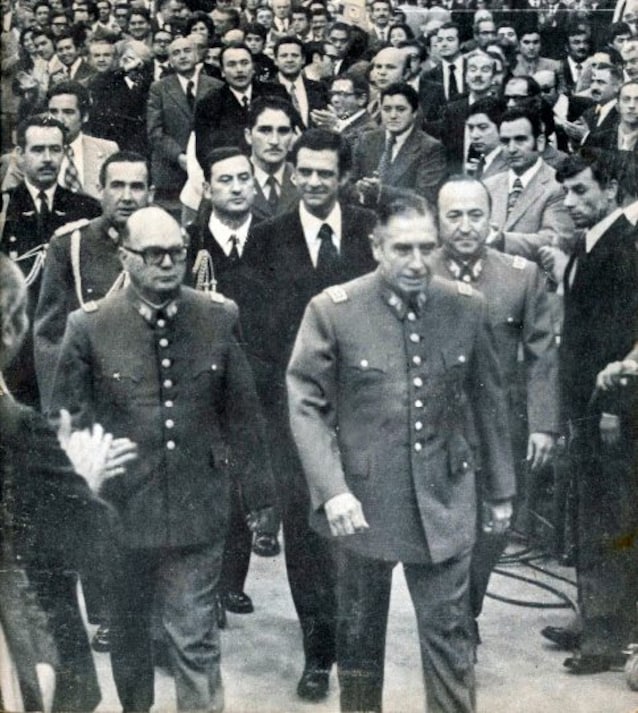
Other regimes also made opponents disappear. In Latin America, such crimes were committed by Chilean dictatorship led by Augusto Pinochetascended to power with a coup d’état in 1973 and remained in the government until 1990. The dictatorship eliminated a part of the opponents publicly, for example by transforming the National stadiumin Santiago del Chile, in a large prison. However, the regime also used disappearances. A recent study has estimated the overall victims of the Chilean regime, including deaths and desaparecidos, there were over 40,000 but, also in this case, There are no precise data. Disappearances of opponents also took place in regime other than the Latin American oneslike Saddam Hussein’s Iraq and, recently, Al-Sisi Egypt.